
Vandaag of morgen in huis

Kwaliteit gegarandeerd

Welkomstaanbiedingen ontgrendelen: GRATIS bezorging | Tot 80% korting | Gratis 30 dagen JoyPlus-proefperiode
Download de app
Choosing a moisturising cream for your face and body may seem straightforward, but the options vary widely depending on skin type, intended use and formula. A lightweight face cream will not necessarily feel comfortable on dry elbows. A rich body cream may feel too heavy on the face. Terms such as “intensive hydration”, “barrier cream” and “vitamin complex” only tell you something once you have checked the ingredients and usage instructions.
In this buying guide, compiled by the Joybuy Product Recommendation Officer, you’ll learn what to look for in a face cream, body cream, hand cream or baby cream.
Words such as “72-hour hydration” or “skin barrier repair” are not universal guarantees. For example, the claim made for NIVEA Repair & Care Urea Body Cream is based on an in-house assessment involving 41 volunteers, with a measurement taken after two weeks of use. This makes the underlying test information verifiable, but results may vary from person to person.
Therefore, look at:
Glycerine, urea, vitamin E, vitamin C, hyaluronic acid and retinol all serve different functions within a formula. A vitamin C cream is not automatically suitable for sensitive skin. Retinol cream also requires gradual introduction and use in accordance with the warnings.
Brands sometimes describe the effects of ingredients. Do not present such information as a definitive medical effect. According to the brand’s own research or product information, an ingredient may contribute to a particular skin feel or appearance, but individual tolerance remains important.
Facial skin is more frequently exposed to sunlight, make-up, shaving and active ingredients. Body cream is generally designed for larger, drier areas and may be richer or more heavily fragranced. For babies and people with sensitive skin, fragrances and potential allergens require extra attention.
For dry skin, ingredients such as glycerine, urea, panthenol, shea butter and occlusive substances such as dimethicone are relevant. They can help retain moisture and provide a more comfortable skin feel.
For sensitive skin, pay attention to:
A hand cream can be rich, while a day cream is often perceived as lighter. A night cream may have a fuller texture. Always check that the product is intended for the area where you want to use it.
Do not combine several active products without checking first. For example, Retinol 0.3 Cream warns against using it at the same time as other retinol, AHA or BHA products because of the increased risk of irritation.
A 400 ml pot is practical for arms, legs and the torso, but less hygienic to use than a tube if you repeatedly take out the product with your fingers. A 50 ml tube is suitable for a face cream that you want to carry around easily.
Also check:
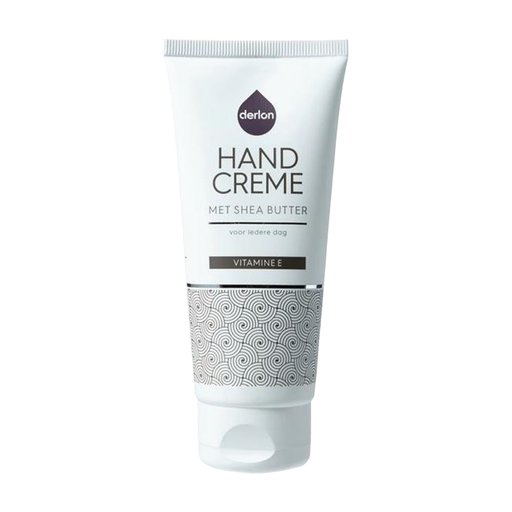
Why it suits this profile: A 100 ml hand cream is reasonably priced and easy to use at home, at work or on the go.
The product description lists shea butter, glycerine and vitamin E, so you do not have to rely on the packaging alone.
100 ml capacity; intended for daily use; contains glycerine, shea butter and tocopherol.
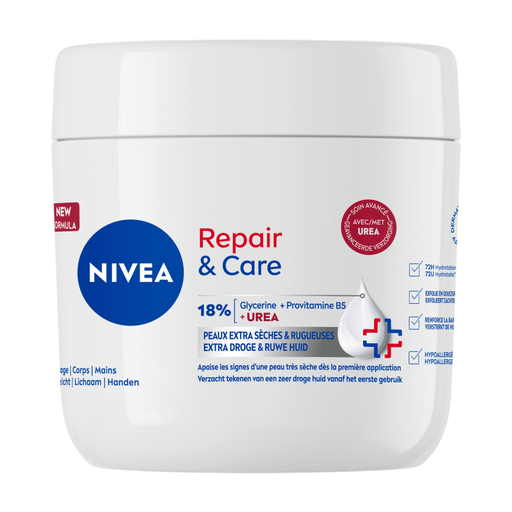
Why it suits this profile: The large pack is suitable for daily use on larger areas of very dry and rough skin.
The formula lists glycerine, urea and pro-vitamin B5. According to NIVEA’s own research, the 72-hour claim is based on a self-assessment involving 41 volunteers.
400 ml capacity; contains glycerine, urea and panthenol; dermatologically tested according to the product information.
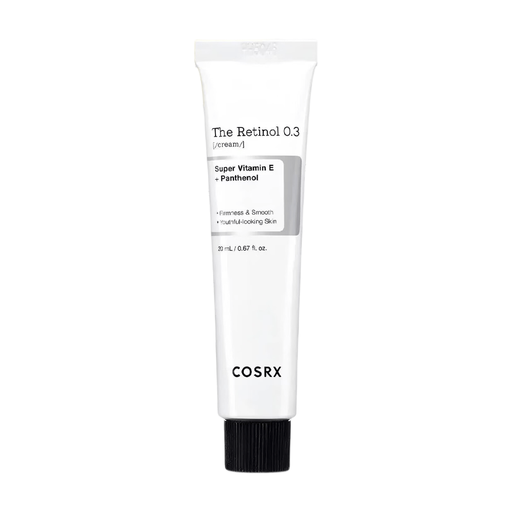
Why it suits this profile: This retinol cream is intended for users who consciously choose an active evening skincare product and follow the instructions carefully.
The product information states 0.3% retinol, use every other evening and a gradual introduction schedule. Do not use other retinol, AHA or BHA products at the same time.
20 ml capacity; 0.3% retinol according to the product information; contains panthenol, vitamin E and hyaluronic acid.
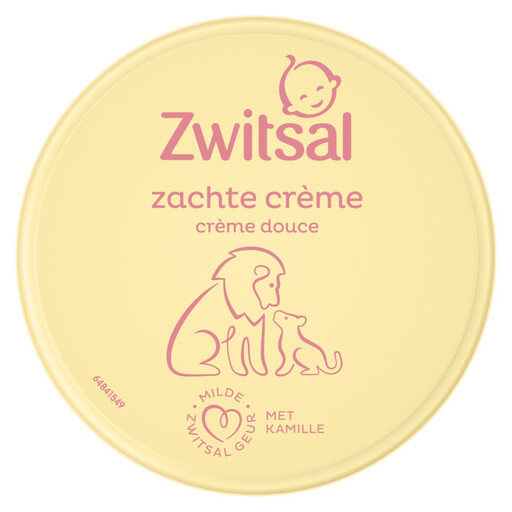
Why it suits this profile: According to the product information, this cream is intended for the face and body, with a pH skin-neutral formula for baby skin.
The areas of application, contents and warning to avoid contact with the eyes are clearly stated. However, the formula does contain perfume, so check the packaging if you have sensitive skin.
200 ml capacity; suitable for the face and body according to the product description; contains glycerine, paraffinum liquidum and vitamin E.
We have compiled a complete, up-to-date list of products that fully meet these strict selection criteria and the applicable European safety regulations.
Apply body cream after showering, when your skin is clean. For hands, reapplying after washing is often more practical than applying one large amount per day. Use day cream after cleansing; night cream fits naturally into your evening routine.
With vitamin C cream, AHA/BHA products and retinol, a patch test is advisable. Stop using the product if irritation persists and follow the warnings on the packaging. Cream does not replace treatment for serious or persistent skin problems.
Look for a formula containing ingredients such as glycerine, urea, panthenol, shea butter or dimethicone. For the body, a larger pack is often more economical to use. If you have sensitive skin, always check for perfume and other ingredients that you have not tolerated well in the past.
Only if the product information lists the face as an intended area of application. Body cream may be richer or contain perfume. For your face, it is better to choose a specific face cream and test a new product on a small area first.
This varies from product to product. Check the open-jar symbol showing, for example, 6M or 12M, and store the cream according to the instructions. Close the pot or tube properly and use clean hands, especially with products intended for baby skin.
