
Livraison le jour même et le lendemain

Qualité garantie

Débloquez vos offres de bienvenue: Livraison GRATUITE | Jusqu'à -80 % | 30 jours d'essai gratuits à JoyPlus
Téléchargez l'application
Choosing a moisturising cream might seem straightforward, but there’s a wide range to choose from, from lightweight gel creams to rich body creams. The right choice depends on your skin type, the ingredients, the texture and where you plan to use it. A face cream for oily skin, for example, needs a different formula from a cream for dry skin on your arms and legs.
Pay attention to marketing claims, too. Words such as “intensive”, “repairing” or “anti-ageing” don’t tell you much about the formula on their own. Instead, check the full ingredients list, pack size and directions for use.
A fresh or sweet scent can make a product more enjoyable to use, but fragrance doesn’t mean it provides extra hydration. Fragrance can be unpleasant for sensitive skin. For example, NIVEA Moisturizing Cream contains fragrance and allergens such as limonene, geraniol and benzyl benzoate. If you’ve reacted to fragrance before, always check the label.
A product may highlight hyaluronic acid, vitamin C or ceramides on the packaging, even though these ingredients appear further down the ingredients list. That doesn’t automatically mean the product isn’t right for you, but it’s a good reason to consider claims alongside the full formula.
For a hyaluronic acid cream, for example, check whether the ingredients list includes different forms of sodium hyaluronate or hydrolysed hyaluronic acid. For a barrier-repair cream, relevant ingredients to look out for include ceramides, fatty acids, cholesterol, glycerine and panthenol.
A body cream may be richer, greasier or more heavily fragranced than a face cream. That doesn’t automatically make it suitable for your face. Check the recommended area of use. Sence Bodycream Aloe Vera and Sence Bodycream Coconut are intended for the body. Beauty of Joseon Red Bean Hydrating Gel Cream, on the other hand, is described as suitable for the face and neck.
A moisturising cream with hyaluronic acid helps bind moisture to the skin, according to product descriptions. Torriden DIVE-IN contains several forms of hyaluronic acid, including sodium hyaluronate and hydrolysed hyaluronic acid. Isntree Hyaluronic Acid Moist Cream lists five types of hyaluronic acid, as well as panthenol, ceramide NP and various oils.
For a soothing cream, look for ingredients such as centella asiatica, madecassoside, panthenol and allantoin. According to its product description, SKIN1004 Madagascar Centella Hydrating Water Cream contains centella asiatica, panthenol and TECA. These are product features, not a guarantee of a particular result for your skin.
If you want to use a vitamin C cream or anti-ageing cream, check the directions for use particularly carefully. Medicube Deep Vita C Capsule Cream contains vitamin C derivatives, niacinamide and ferulic acid. Its product description mentions antioxidant and anti-ageing properties; these are manufacturer claims, not a medical assessment. Using sun protection during the day is a sensible addition.
Compare the pack sizes before looking at the price. A 400 ml tub is practical for everyday use on your body and hands, while a 50 or 60 ml face cream is easier to take with you. Check the period after opening, too. Some products, for example, display 12M; always check the packaging.
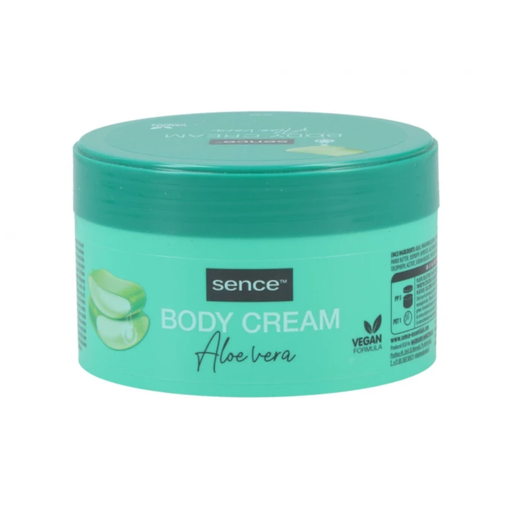
Why it suits this profile: A simple body cream for everyday use, with a 200 ml pack size and aloe vera as a highlighted ingredient.
The product information clearly states the product type, variant and pack size. Be sure to check the full packaging for ingredients and shelf life.
200 ml body cream; the product description mentions aloe vera and a fresh scent.
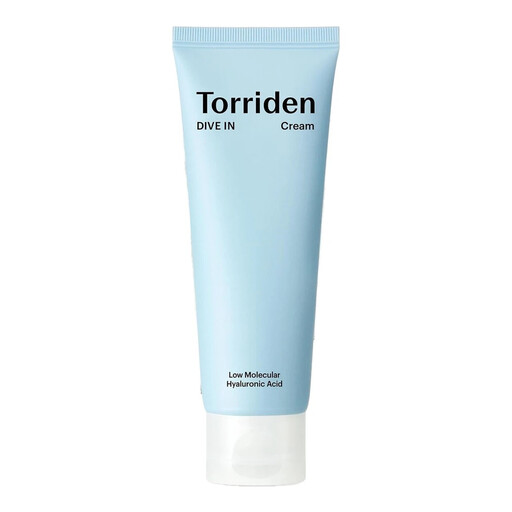
Why it suits this profile: A good option if you’re looking for Korean skincare with a lightweight, fast-absorbing texture and several hydrating ingredients.
The ingredients list is available, so you can compare the formula rather than relying solely on the phrase “intensive hydration”.
80 ml; several forms of hyaluronic acid, ceramide NP, jojoba oil, macadamia oil and argan oil are listed.
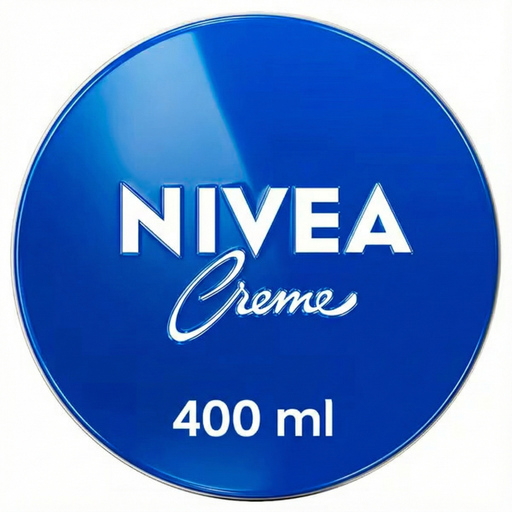
Why it suits this profile: A large pack for anyone who wants to use one cream on their face, body and hands, depending on personal preference.
The product page lists the areas of use, pack size and allergens. This makes it easier to compare than simply choosing it because of its familiar packaging.
400 ml; contains glycerine, panthenol and mineral oils; listed as suitable for the face and body.
We’ve put together a complete, up-to-date list of products that meet these strict selection criteria and current European safety requirements.
A face cream is usually formulated for the thinner and sometimes oilier skin on your face. Body cream is often richer and comes in larger packs. Don’t automatically use a body cream on your face, especially if it’s strongly fragranced. Always check the recommended area of use.
It depends on your skin and the product. Many face creams can be used morning and evening on cleansed skin. Body cream is often applied after showering or whenever your skin feels tight. Follow the directions on the packaging and stop using it if irritation occurs.
Shelf life varies from product to product. Check the packaging for a date or the open-jar symbol, such as 12M. This generally means the product should be used within twelve months of opening. Keep cream closed and store it somewhere dry, away from direct sunlight. Before using it again, check its smell, colour and texture.
