
Vandaag of morgen in huis

Kwaliteit gegarandeerd

Welkomstaanbiedingen ontgrendelen: GRATIS bezorging | Tot 80% korting | Gratis 30 dagen JoyPlus-proefperiode
Download de app
A moisturiser may seem like a simple product, but there’s a huge range of textures, ingredients, fragrances and uses to choose from. A light gel for dehydrated facial skin works differently from a rich body cream for rough elbows or a hand cream for chapped winter hands.
Many shoppers pay too much by focusing mainly on marketing claims. Use this practical guide to look at what really matters: how you’ll use the product, its ingredients, texture and safe-use information.
A product containing hyaluronic acid, aloe vera, oats or vitamin C may sound appealing, but the overall formula matters more than one ingredient highlighted on the front. Check the full INCI list. Glycerine, for example, is a commonly used humectant. Oils, butters, silicones and occlusive ingredients can help lock in moisture for longer, but they also affect how rich or greasy a cream feels.
A brand’s own research may suggest that certain ingredients offer specific benefits, but these claims don’t guarantee the same results for everyone. Treat them as product information, and pay attention to how your skin responds too.
A body cream is often richer, fragranced or designed for larger dry areas. A face cream usually has a lighter texture and is made for daily use under sunscreen or make-up. A hand cream, on the other hand, may leave a protective layer, as hands are washed frequently.
So, use a product primarily on the area it’s intended for. A multi-purpose cream can be convenient, but always check the fragrance and texture before applying it to your face.
Even a cream for sensitive skin can contain ingredients that you may react to, such as perfume, essential oils, preservatives or certain plant extracts. A dermatologically tested formula tells you about the testing process, but doesn’t guarantee that it will suit you personally.
Try a new cream on a small area of skin first. Stop using it if you experience stinging, itching, swelling or obvious redness. Don’t apply cosmetics to broken skin, and follow the warnings on the packaging.
If you have oily or acne-prone skin, a light, non-sticky soothing cream may feel more comfortable. For dry skin, a richer product combining humectants with protective ingredients is often more practical. If you’re prone to acne, check whether the product description claims it is non-comedogenic. Even then, there’s no guarantee it will suit every skin type.
A hyaluronic acid cream may contain several forms of hyaluronic acid, such as sodium hyaluronate or hydrolysed hyaluronic acid. The product name doesn’t tell you how much it contains. A nourishing moisturiser may also include ingredients such as jojoba oil, shea butter, macadamia oil or squalane.
Pay attention to fragrance too. If your skin reacts easily, a fragrance-free formula may be a sensible choice. Fragranced products generally list fragrance ingredients and potential allergens in the ingredients list. Check the current packaging, as formulas can change.
A 200 or 400 ml tub may seem like good value, but it’s only practical if you’ll use the product regularly and like its texture. Face creams more commonly come in 50 to 100 ml sizes; a smaller pack is handy for trying a formula first.
Check the period after opening, storage advice and packaging closure. Store your moisturiser in a cool, dry place away from direct sunlight, and keep the packaging tightly closed. If a large body cream feels too heavy or fragranced, use a separate product for your face.
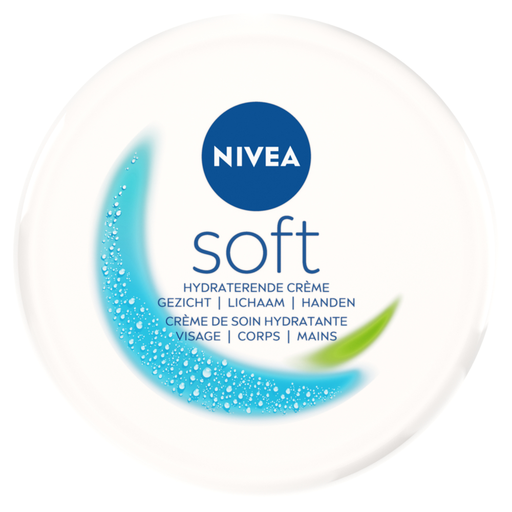
Why it suits this profile: A versatile cream for the face, hands and body, designed for everyday use and easy to add to your routine.
The product description clearly lists all three areas of use, so you don’t need to buy several separate creams straight away.
200 ml; the formula contains glycerine, jojoba oil and vitamin E; described in the product information as a light oil-in-water texture.
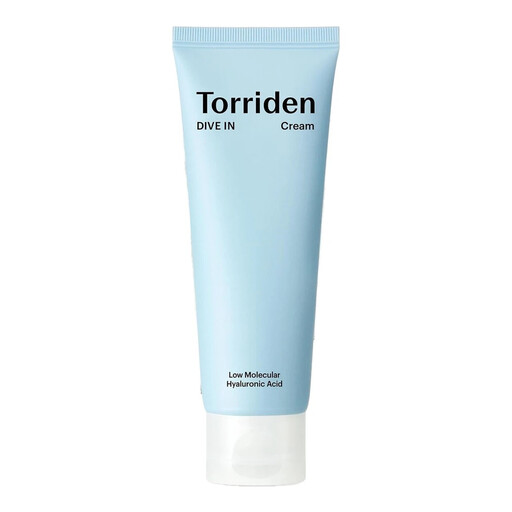
Why it suits this profile: For fans of Korean skincare looking for a face cream containing several forms of hyaluronic acid.
The ingredients list shows that the formula contains different forms of hyaluronic acid, rather than relying on a claim on the packaging alone.
80 ml; contains sodium hyaluronate, hydrolyzed hyaluronic acid, ceramide NP and plant oils; designed to be used as the final step.
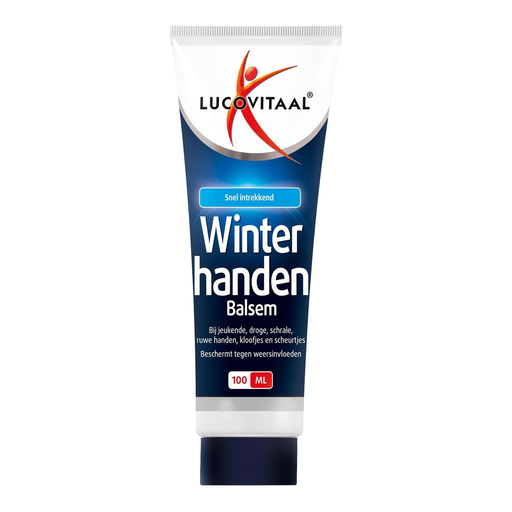
Why it suits this profile: Designed for dry, rough or cracked hands, for example after exposure to cold and wind or frequent washing.
It’s specifically described as a hand cream, so you won’t mistakenly choose its rich formula as an all-purpose face cream.
100 ml; the formula contains glycerine, lanolin, dimethicone and jojoba oil; described in the product information as suitable for daily use.
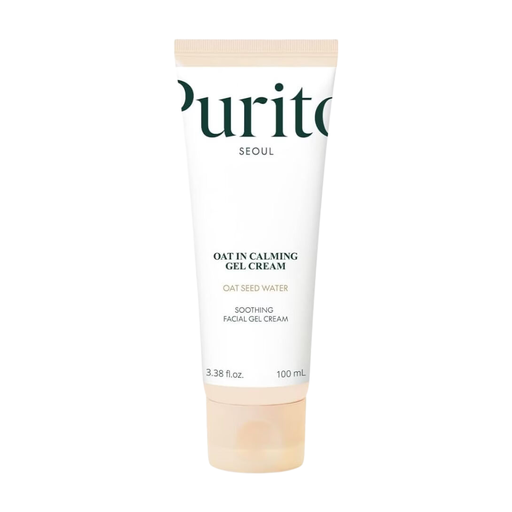
Why it suits this profile: For anyone looking for a light, non-greasy gel cream for sensitive or acne-prone skin.
The gel cream texture helps you avoid automatically reaching for a heavy cream when you’re mainly looking for hydration and a lightweight feel.
100 ml; according to the product listing, it contains 77% oat seed water, panthenol, squalane and beta-glucan.
We’ve put together a complete, up-to-date list of products that meet these strict selection criteria and current European safety requirements.
It depends on your skin and how you’re using it. You can generally use a face cream in the morning and evening, following the label. Hand cream is useful after washing your hands and before bed. It’s best to apply body cream to clean skin, for example after a shower.
Check the expiry date and the period-after-opening symbol, such as 12M. Keep the cream tightly closed, away from direct sunlight and in a dry place. If its smell, colour or texture changes, stop using it.
No. Consider the size, intended use, ingredients and how often you’ll use it. An affordable cream you enjoy using every day may be more practical than an expensive product left on the shelf. If you have sensitive skin, a short list of suitable ingredients often matters more than a long list of trendy claims.
