
Livraison le jour même et le lendemain

Qualité garantie

Débloquez vos offres de bienvenue: Livraison GRATUITE | Jusqu'à -80 % | 30 jours d'essai gratuits à JoyPlus
Téléchargez l'application
A moisturiser for sensitive skin needs to do more than simply feel pleasant. The right formula helps the skin retain moisture without unnecessary irritation, suits your skin type and has a texture you will want to use every day. This applies to dry facial skin, dehydrated skin, irritated skin and sensitive baby skin.
However, comparing products is not always straightforward. Product names such as “soothing”, “natural” or “barrier repair” do not, in themselves, tell you very much. So check the full ingredients list, the intended area of use and the directions for use.
A rich cream can feel pleasant on dry skin, but may feel heavy on combination or acne-prone skin. In that case, a hydrating gel cream containing glycerine, panthenol or hyaluronic acid may be more practical. For very dry skin, oils, shea butter, squalane or occlusive ingredients are often more suitable.
A product may be described as suitable for sensitive skin and still contain fragrance or essential oils. So check whether the formula contains fragrance. A fragrance-free cream is not automatically suitable for everyone, but it does remove one possible source of irritation. Test a new product on a small area of intact skin first.
Ceramides, centella, oat and hyaluronic acid are widely used ingredients in skincare. However, their effects depend on the overall formula and your own skin. According to the brand’s product description, for example, the moisturiser contains several ceramides and different forms of hyaluronic acid. This is verifiable information about the formulation, but it does not guarantee that every skin type will react in the same way.
A facial cream for dry skin often contains humectants such as glycerine, betaine, panthenol or sodium hyaluronate. These help the skin feel more comfortable by attracting or retaining moisture. Oils, fatty acids, dimethicone and ceramides may also help reduce moisture loss from the skin’s surface.
If you are looking for a skin barrier cream, do not just look for the word “barrier” on the packaging. Check whether the list contains ingredients such as ceramide NP, cholesterol, fatty acids, squalane or panthenol. An ingredient’s position in the list gives an indication of its concentration, but does not tell you everything about its ultimate effect.
A gel cream generally absorbs lightly and can feel comfortable under sun cream or make-up. A rich cream is often a more logical choice for dry patches, an evening routine or cold, dry conditions. For the body, a lotion is usually quicker to apply over larger areas; a nourishing body cream may be more suitable for locally dry skin.
Also pay attention to the stated use. A facial cream is not automatically intended for baby skin, and a baby cream may not be the most practical choice for an adult’s face.
Check for fragrance, essential oils, alcohol and known allergens if your skin reacts easily. Product information may also state whether a formula has been dermatologically tested, is hypoallergenic or non-comedogenic. According to ACM principles, you should read such claims as the brand’s product specifications, not as a personal guarantee.
Always check the packaging for the expiry date, batch information and period after opening. Do not use a cream on damaged skin if the directions advise against it. Stop using it if redness, itching or swelling persists, and seek advice from a doctor or dermatologist if necessary.
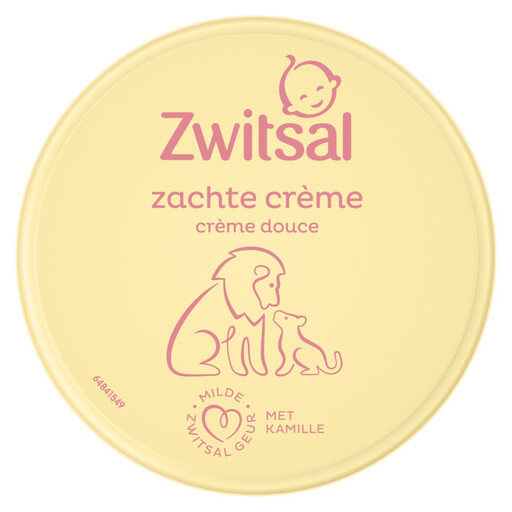
Why it suits this profile: An accessible cream for the face and body, with a 200 ml capacity and a creamy formula for everyday use by babies and adults.
The product description clearly states the size, intended areas of use, vitamin E and skin-neutral pH. Please note: the cream has Zwitsal’s distinctive fragrance, so it is not a fragrance-free cream.
200 ml; suitable for the face and body according to the product information; dermatologically tested and described as having a skin-neutral pH.

Why it suits this profile: A facial cream for anyone focused on the skin barrier and looking for an extensive formula containing ceramides, fatty acids and hyaluronic acid.
The full ingredients list is available, allowing you to check whether ceramide NP, ceramide NS, ceramide AP, ceramide EOP and several forms of hyaluronic acid suit your selection criteria.
80 ml; ceramides and hyaluronic acid in the ingredients list; a patch test is recommended according to the usage information.
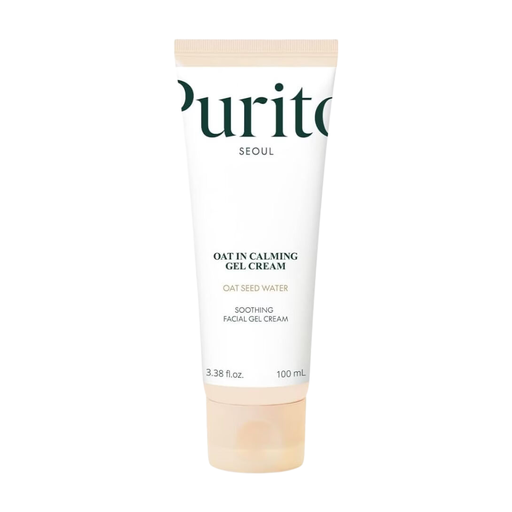
Why it suits this profile: The lightweight gel cream suits dehydrated, sensitive or acne-prone skin when you are looking for a non-greasy texture for morning and evening use.
The product information describes a gel cream texture and lists 77% oat seed water, glycerine, squalane, panthenol and beta-glucan. This allows you to assess the texture and ingredients in advance.
100 ml; lightweight gel cream; designed for everyday use; contains panthenol, squalane and beta-glucan according to the ingredients list.
We have compiled a complete, up-to-date list of products that fully meet these strict selection criteria and the applicable European safety regulations.
Apply a moisturiser for sensitive skin to cleansed skin. A small amount is usually enough; using more product does not automatically mean more hydration. If you have dry skin, you can apply the cream while the skin is still slightly damp. During the day, use a separate sunscreen as part of your routine.
For a new ceramide cream, Korean skincare cream or cream containing plant extracts, add one new product at a time. This makes it easier to identify which product suits your skin well or less well. Extra care is important when dealing with sensitive baby skin; follow the age recommendation and avoid contact with the eyes.
Look for a formula containing glycerine, panthenol, ceramides, squalane or hyaluronic acid, and choose a texture that does not feel tight or cause a stinging sensation. If you want to avoid fragrance, check the ingredients list for fragrance and essential oils. A patch test is still advisable.
For most facial creams, once or twice a day is usual, depending on the product information and how your skin feels. For example, apply a body lotion after showering and reapply to dry areas whenever necessary. Always follow the instructions on the packaging.
This varies by product. Check the pot or tube for the expiry date and the symbol indicating the period after opening, such as 6M or 12M. Close the packaging after use and store the cream somewhere dry and cool, away from direct sunlight. The packaging remains the definitive source of current information.
