
Vandaag of morgen in huis

Kwaliteit gegarandeerd

Welkomstaanbiedingen ontgrendelen: GRATIS bezorging | Tot 80% korting | Gratis 30 dagen JoyPlus-proefperiode
Download de app
Dry skin often feels tight, rough or flaky. This feeling can become more noticeable in winter, after a hot shower or if you wash your hands frequently. If you are looking for a moisturiser for dry skin, you will soon come across dozens of products featuring terms such as “intensive hydration”, “repair” and “72-hour care”. On their own, these words do not tell you whether a moisturiser suits your skin or how you intend to use it.
The most common pitfalls:
A moisturising cream usually works in several ways. Glycerine and hyaluronic acid, which often appears as sodium hyaluronate on the ingredients list, help retain moisture at the skin’s surface. Urea, panthenol and trehalose are also found in formulas for dry or rough skin.
Protective ingredients are also relevant. These include dimethicone, mineral oils, shea butter and waxes. These ingredients can help limit moisture loss from the skin’s surface. This does not automatically mean that a product “repairs” the skin barrier in a medical sense. It is more accurate to describe it as supporting the skin’s natural barrier.
A rich balm or body cream for dry skin is well suited to rough areas, hands, elbows and legs. A lightweight gel or lotion absorbs more quickly and is more convenient in the morning or just before getting dressed.
For the face, a face cream for dry skin is usually packaged in a smaller size and designed for daily use. A body lotion with hyaluronic acid is often thinner and suitable for larger areas. If you have sensitive skin, pay extra attention to fragrance, alcohol denat. and fragrance allergens such as limonene and linalool.
Compare not only the price per pack, but also the volume in millilitres and the intended area of use. A moisturiser for men is not necessarily fundamentally different from other facial skincare products. Your choice should mainly depend on the texture, fragrance, ingredients and skin type.
Apply cream to clean skin whenever possible, for example after showering while your skin is still slightly damp. Test a new product on a small area of skin first. Stop using it if you experience redness, swelling or irritation, and follow the warnings on the packaging.
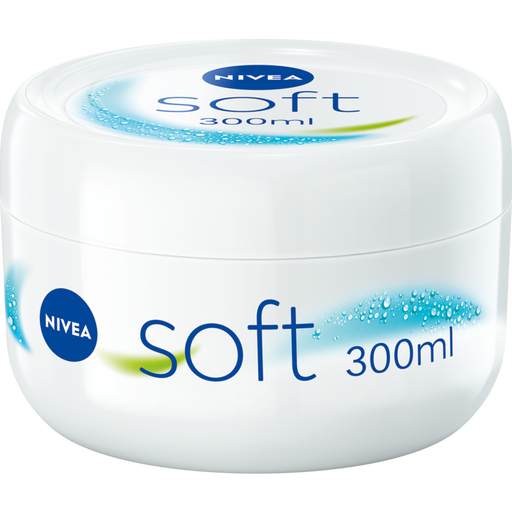
Why it suits this profile: A versatile cream for the face, hands and body, suitable for anyone who wants to start with one product.
The packaging clearly states that it is suitable for the face and body. However, check whether fragrance is suitable for your skin.
300 ml, glycerine, vitamin E and jojoba oil; lightweight texture according to the product description.
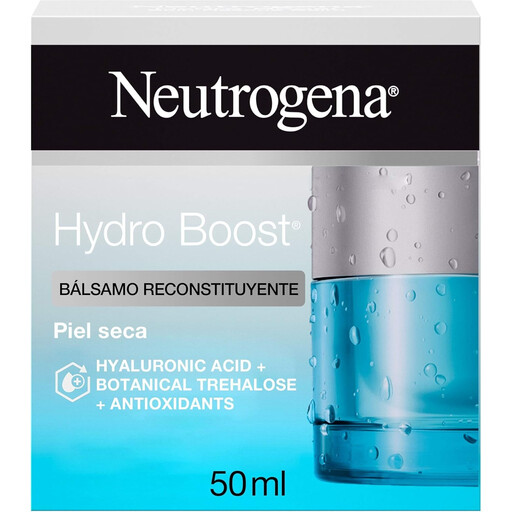
Why it suits this profile: For anyone looking for a compact face balm offering richer care for dry or sensitive skin.
The ingredients list includes glycerine, trehalose, sodium hyaluronate and dimethicone. Fragrance is also listed, so read the label carefully.
50 ml, unisex, balm texture and ingredients that help retain moisture according to the product specification.
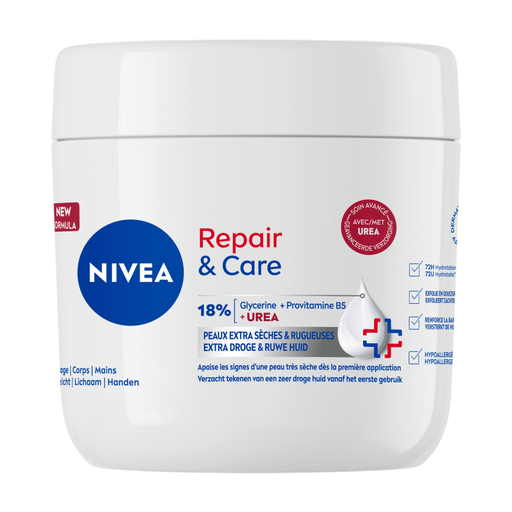
Why it suits this profile: Designed for very dry, rough areas of the body when an ordinary body lotion does not feel rich enough.
The formula is specifically intended for very dry and rough skin. According to the brand, the 72-hour claim is based on a self-assessment by 41 volunteers.
400 ml, glycerine, urea and provitamin B5; intended for intensive body care.
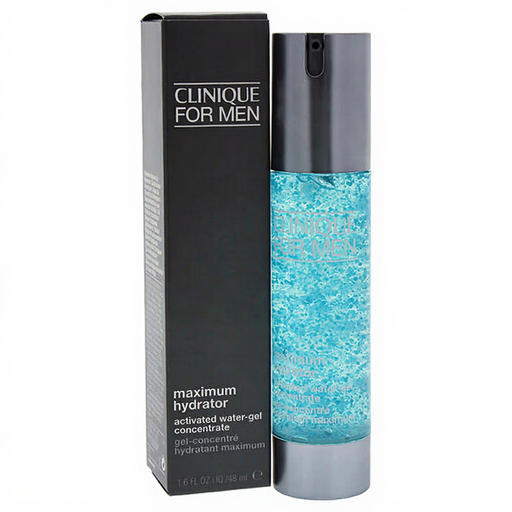
Why it suits this profile: A lightweight, oil-free water gel for men who want to apply moisturiser quickly after cleansing or shaving.
The fragrance-free and oil-free product specification makes the formula straightforward for anyone who does not want a heavy cream. Being alcohol-free is not stated as a claim.
48 ml, water gel texture, glycerine and sodium hyaluronate; according to the product description, suitable for all skin types.
We have compiled a complete, up-to-date list of products that fully meet these strict selection criteria and the applicable European safety regulations.
This depends on how dry your skin is and on the product. For the face, applying it in the morning and evening is common if this is stated on the packaging. You can use body cream daily after showering and reapply it to rough areas. Do not use more than necessary: a thin, even layer is often sufficient.
Not always. A body cream is usually designed for larger areas and may be richer or more heavily fragranced. Some products, such as NIVEA Soft, state that they can be used on the face and body. Always check the intended use on the packaging before applying a body cream to your face.
Glycerine is a widely used humectant in creams and lotions. Hyaluronic acid often appears in cosmetics as sodium hyaluronate or another form. Both can contribute to a hydrated feeling, but the final experience also depends on the overall formula, the amount of product used and your skin type. Neither ingredient automatically makes a product suitable for every sensitive skin type.
