
Vandaag of morgen in huis

Kwaliteit gegarandeerd

Welkomstaanbiedingen ontgrendelen: GRATIS bezorging | Tot 80% korting | Gratis 30 dagen JoyPlus-proefperiode
Download de app
A moisturiser may seem simple to choose, but the range varies considerably. A lightweight face cream feels different from a rich body cream. Body lotion, gel cream and face oil each have their own ideal uses, too. If you focus only on fragrance, packaging or a striking marketing claim, you could end up buying a product that does not suit your skin or routine.
The main pitfalls are:
For the face, you will generally want a face cream with a texture that suits your skin. Oily or dry skin may benefit from a richer cream, while combination or oily skin often feels more comfortable with a lightweight moisturising gel cream.
For your arms, legs and torso, a body cream or body lotion can be a practical choice. Lotion usually spreads easily over larger areas. A thicker cream may be more suitable when your skin feels tight or rough. For your hands, elbows and knees, a small amount of rich cream may be more useful than a thin lotion.
Look out for ingredients such as glycerine, hyaluronic acid, oils, shea butter and squalane. These ingredients are often used in formulas designed to leave the skin feeling supple or help it retain moisture. However, the overall effect depends on the complete formulation and your skin.
If you have sensitive or reactive skin, it is worth paying extra attention to:
A label such as vegan or natural skincare should be viewed as a product characteristic, not as a guarantee that the product will suit everyone. According to WELEDA’s product information, the products mentioned carry a NATRUE label. Always check the current packaging and ingredients list before buying.
A 50 ml jar for the face may run out more quickly with daily use than a 75 ml tube. For the body, 200 or 250 ml is often more practical. So compare the price per 100 ml and consider how much product you need each time.
According to product information, a gel cream often absorbs quickly and can work well under make-up. An oil may be suitable for massage or a pampering routine, but it feels different from a cream and is less practical for everyone. Also check the expiry information, the open-jar symbol showing the period after opening and the usage instructions on the packaging.
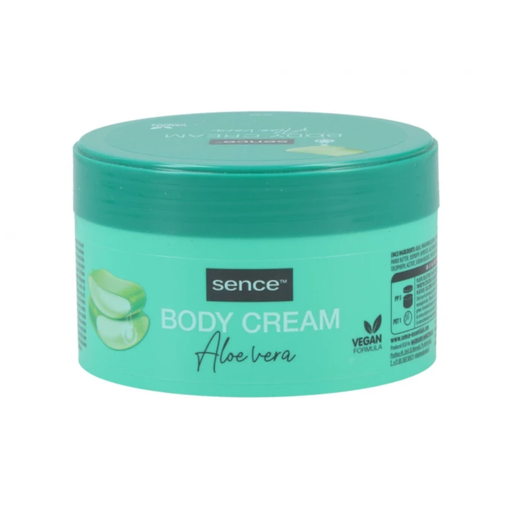
Why it suits this profile: A straightforward 200 ml body cream for daily use after showering, without requiring you to commit to an elaborate skincare routine.
The intended use and size are clearly stated: body cream, aloe vera variant and 200 ml. This makes the difference from a face cream immediately clear.
Designed for the body, with a 200 ml capacity and an aloe vera cream formula according to the product description.
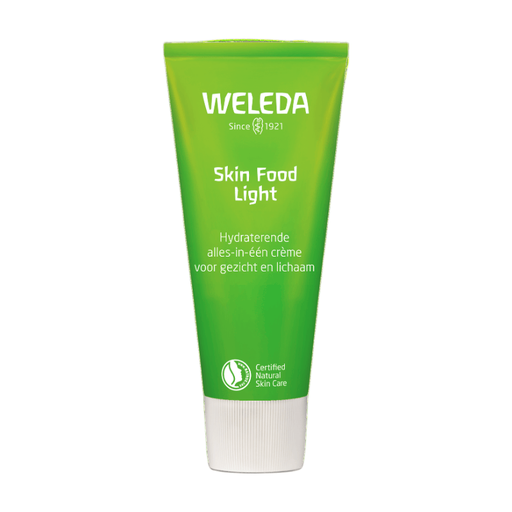
Why it suits this profile: For anyone looking for one product for the face and body who values natural skincare with a lighter texture.
The product information explicitly mentions the face and body. The lightweight formula means you do not need two different products for these applications.
75 ml, suitable for the face and body and, according to the product information, made with 100% natural ingredients and carrying a NATRUE label.
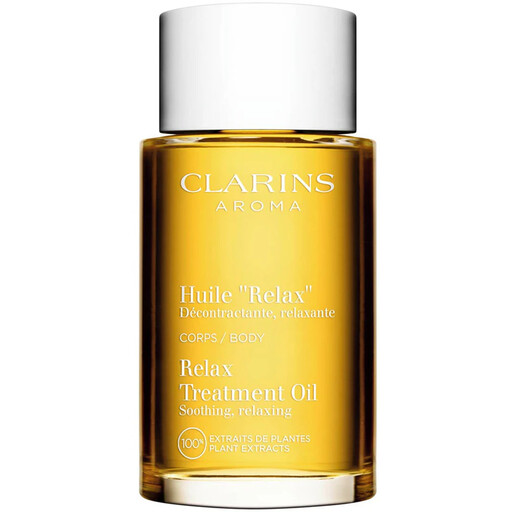
Why it suits this profile: For users who want to combine body care with massage, for example after exercising or during a relaxing pampering session.
This is clearly a body oil, not a face cream. If you expect a dry, non-greasy finish, bear in mind that oil has a different texture.
100 ml, a plant-based composition according to the product information, with hazelnut oil to help the skin retain moisture.
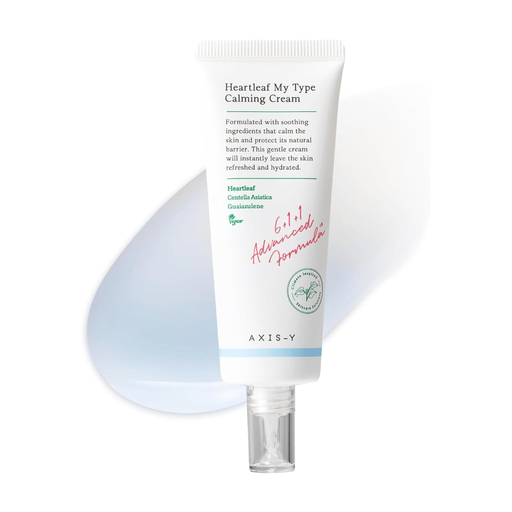
Why it suits this profile: The product information presents it as a lightweight face cream for combination or oily skin and mentions its use as a make-up base.
The intended use, size and texture are clear: face, 60 ml and a lightweight cream. The product information also states that it has a vegan formula; check the current packaging to confirm this.
Lightweight texture, 60 ml and, according to the product description, vegan and free from synthetic fragrances.
We have put together a complete, up-to-date list of products that fully meet these strict selection criteria and the applicable European safety regulations.
Apply body cream or body lotion to clean skin, preferably after showering. Pat your skin dry and apply the cream while it still feels comfortable. For your face, first use a gentle cleanser, followed by a small amount of face cream. You do not need to apply a thick layer for a product to work comfortably.
Test a new product on a small area of skin first. Stop using it if you experience redness, swelling, itching or a burning sensation. Products containing essential oils, fragrance or botanical extracts may cause sensitivity in some people. If skin problems persist, seeking advice from a doctor or pharmacist is wiser than switching between creams.
Body lotion is usually thinner and spreads easily over large areas of the body. Body cream often has a richer texture. For your face, it is best to choose a product that explicitly states that it is intended for facial use.
Check the packaging for the expiry date or the open-jar symbol, such as 12M. Store the cream according to the instructions, usually in a cool place away from direct sunlight. If the fragrance, colour or texture changes, stop using the product.
Look for a formula containing hydrating and soothing ingredients such as glycerine, hyaluronic acid, shea butter or oils. For sensitive skin, a fragrance-free, uncomplicated formula may feel more comfortable. A product claim such as “soothing cream” comes from the brand’s product description; individual experiences may vary.
