
Vandaag of morgen in huis

Kwaliteit gegarandeerd

Welkomstaanbiedingen ontgrendelen: GRATIS bezorging | Tot 80% korting | Gratis 30 dagen JoyPlus-proefperiode
Download de app
Dry, tight-feeling skin, a shiny T-zone or sensitive areas do not automatically call for the same moisturiser. Yet many people buy based on attractive packaging, a popular ingredient or a promising claim. This can result in a cream that feels too heavy, stings or ends up sitting unused in the bathroom.
As a Joybuy Product Recommendation Officer, I filter product information according to practical points: skin type, application, texture, size, ingredients and usage warnings. This allows you to compare a face cream, body cream or moisturiser based on features you can actually check.
A product containing hyaluronic acid is not automatically suitable for every skin type. The overall formula, texture and any fragrance or alcohol ingredients are just as relevant. Always check the full ingredients list.
For example, a hyaluronic acid cream may feel comfortable on dehydrated skin, while a richer formula containing shea butter or oils may be better suited to dry skin that also needs a more comfortable protective layer.
A product description may state that a cream is suitable for all skin types. That does not mean it will feel the same for everyone. Oily or combination skin often prefers a lightweight gel cream. Dry skin may benefit from a richer cream.
A cream for sensitive skin also deserves an ingredients check. Fragrance, essential oils, alcohol denat. or exfoliating acids may be less suitable for some users.
A 400 ml tub may look attractively priced, but you use face cream differently from body cream. Pay attention to the size in millilitres, the intended area of use and the recommended amount. A small pot for the face may last longer than expected, while hand or body cream is used more quickly.
Also check the use-by date and the period after opening on the packaging. If you have any doubts about the smell, colour or texture, it is best not to continue using the product.
First decide where you want to use the cream:
People searching for repair the skin barrier usually mean a product that helps retain moisture and keeps the skin feeling comfortable. This is not a guarantee of a medical effect. If symptoms, sores or severe irritation persist, consult a doctor or pharmacist.
Common moisturising ingredients include glycerine, hyaluronic acid, panthenol, beta-glucan and various oils. Ceramides occur naturally in the skin and are used in some formulas as part of care for dry skin.
Also look out for ingredients you personally react to. Garnier SkinActive Hyaluron Fresh & Plump Sorbet Crème contains, among other things, glycerine, niacinamide, aloe vera and sodium hyaluronate, but also alcohol denat., fragrance and salicylic acid. According to the product information, salicylic acid may increase sensitivity to the sun; avoid contact with the eyes and use sun protection during the day.
A gel cream generally feels lightweight and is often suitable for oily or combination skin. A rich cream feels fuller and may be more comfortable in winter or on dry skin. Apply a cream after cleansing and, if required, using a serum. During the day, sunscreen should be the final step.
Start with a small amount. Too much product may pill under make-up or leave a sticky feeling. A patch test on a small area of skin is advisable when trying a new formula, especially if you have sensitive skin.
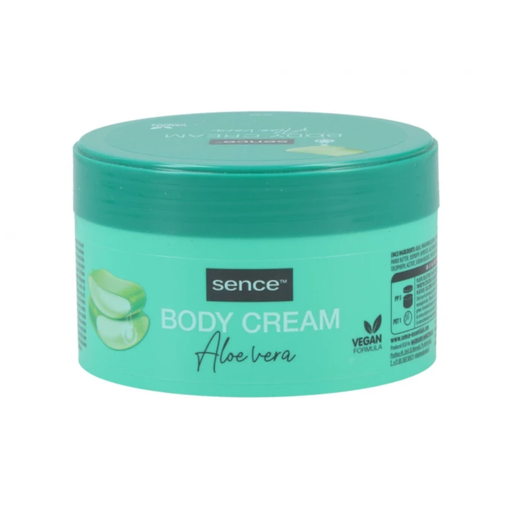
Why this profile is a good match: A simple body cream for everyday use, for example after showering or when the skin on your arms and legs feels dry.
The product information clearly states that it is a body cream and gives the size as 200 ml. You are not buying a small face cream for a large area of the body.
200 ml and aloe vera listed as an ingredient in the formula. Check the current ingredients and directions on the packaging.
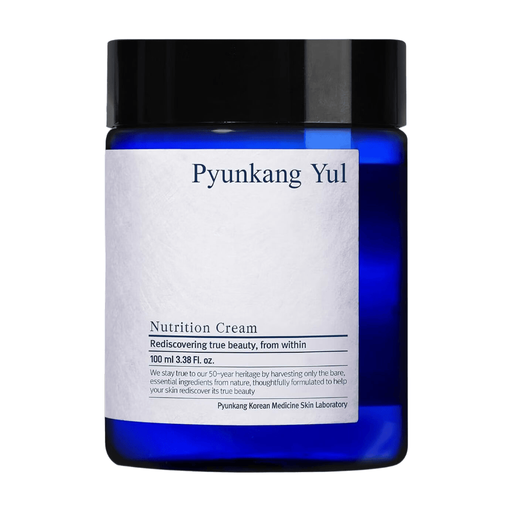
Why this profile is a good match: A rich Korean face cream for anyone looking for shea butter, jojoba oil and a nourishing texture.
The formula is described as fragrance-free. However, always check the current INCI list if you have known allergies.
100 ml, containing ingredients including shea butter, macadamia oil and sodium hyaluronate according to the product information.
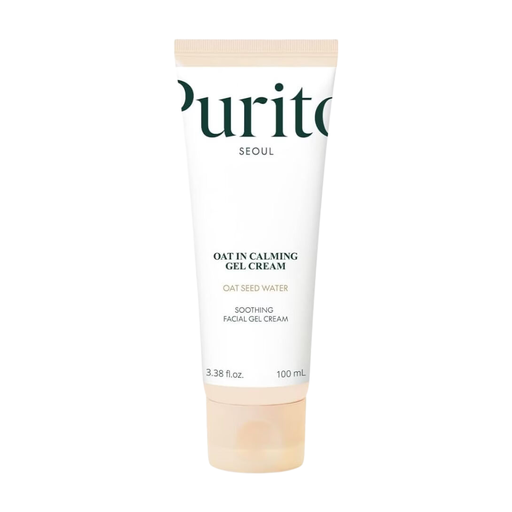
Why this profile is a good match: The gel cream texture is practical for combination, oily or sensitive skin that does not want a heavy layer.
The product description mentions a lightweight texture and 77% oat seed water. This makes the texture easy to verify without presenting the result as guaranteed.
100 ml, with panthenol, squalane and beta-glucan according to the ingredients list.
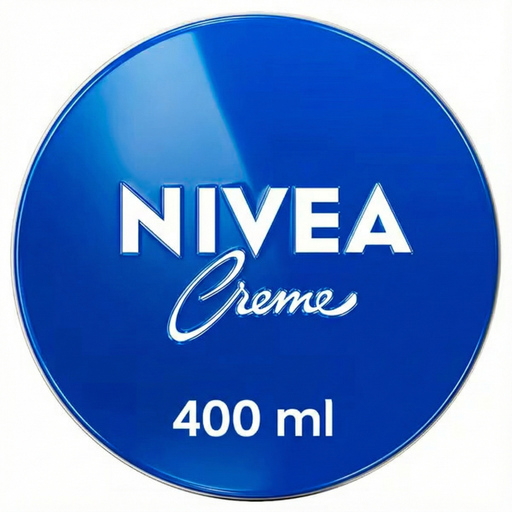
Why this profile is a good match: A generous pack for anyone who wants to use the same cream on their hands, body and, if suitable, face.
The intended use and size are clearly stated. However, the formula contains fragrance and fragrance allergens such as limonene and geraniol; check these if you have sensitive skin.
400 ml and panthenol in the stated formula. A practical everyday supply.
If you want to compare several textures, you could also consider:
Browse our current selection of skin creams and compare products by skin type, size, texture and ingredients.
You can usually apply moisturiser once or twice a day to cleansed skin. Always follow the product’s directions. During the day, use sunscreen as part of your routine, especially when a formula contains ingredients that, according to the product information, may affect sensitivity to the sun.
A face cream is often designed with a lighter texture and for use under make-up or sunscreen. Body cream is generally used in larger quantities and is often richer or made with a simpler formula. A product listed for use on both the face and body, such as NIVEA Moisturizing Cream, can be practical, but always check for fragrance and potential allergens.
Look for a short, straightforward ingredients list and avoid anything you have reacted to in the past. A soothing cream containing ingredients such as panthenol, oat or centella may sound appealing based on the product description, but individual skin reactions vary. Test a small amount first and stop using it if you experience burning, swelling, itching or redness. If symptoms persist, it is advisable to seek professional medical advice.
