
Vandaag of morgen in huis

Kwaliteit gegarandeerd

Welkomstaanbiedingen ontgrendelen: GRATIS bezorging | Tot 80% korting | Gratis 30 dagen JoyPlus-proefperiode
Download de app
A moisturiser may seem like a simple product, but the range available varies considerably. Are you looking for a hydrating face cream, day cream, night cream or body cream? It is important not to focus solely on the packaging or a striking claim. The right choice depends on your skin type, the texture, the ingredients and when you plan to use it.
Claims such as “up to 48, 72 or 100 hours of hydration” sound clear, but the exact conditions and testing methods vary from one brand to another. According to Clinique’s product description, Moisture Surge 100H provides up to 100 hours of hydration. This is the brand’s claim and not a guarantee that every user will experience the same result.
So, take a look at the formula too. Glycerine, hyaluronic acid, panthenol and certain oils can contribute to a comfortable skin feel, while occlusive ingredients such as dimethicone or petrolatum help limit moisture loss.
A lightweight gel cream can feel pleasant on combination or oily skin, but a richer cream may be more comfortable for very dry skin. Conversely, a heavy body cream may feel sticky when used on the face. Always check the intended area of use: face, neck, décolletage or body.
A cream containing fragrance, fruit acids, salicylic acid or a high concentration of niacinamide may be less suitable for some people. Check the ingredients list and test a new product on a small area of skin first. Stop using it if you experience redness, itching or a burning sensation.
The texture also affects how easy the product is to use every day. A lotion usually absorbs more quickly, while a rich cream may be better suited to evening use or dry patches.
A hyaluronic acid cream may contain different forms of hyaluronic acid. The presence of several variants alone does not indicate how much product you need or how long the skin feel will last. A ceramide cream may be worth considering if you want to give extra attention to your skin barrier. However, check that ceramides are actually listed among the ingredients.
Extra care is needed with products designed to target pigmentation. A serum containing niacinamide or tranexamic acid may, according to the product description, be intended to promote a more even-looking complexion, but results vary from person to person. During the day, also use sun protection when using active skincare products.
Compare the amount with the price: 30 ml, 40 ml, 50 ml and 100 ml cannot be compared directly. Also check the PAO symbol, such as 12M or 24M. This indicates how long the product is intended to be used after opening. Store creams in a cool, dry place away from direct sunlight, and use clean hands or a spatula with products in a jar.
A day cream with SPF can be a useful addition. Clinique Moisture Surge SPF 25 Sheer Hydrator lists SPF 25, but the amount you apply and your exposure to the sun also affect the level of protection. So, do not treat a moisturiser with SPF as a reason to extend prolonged exposure to the sun.
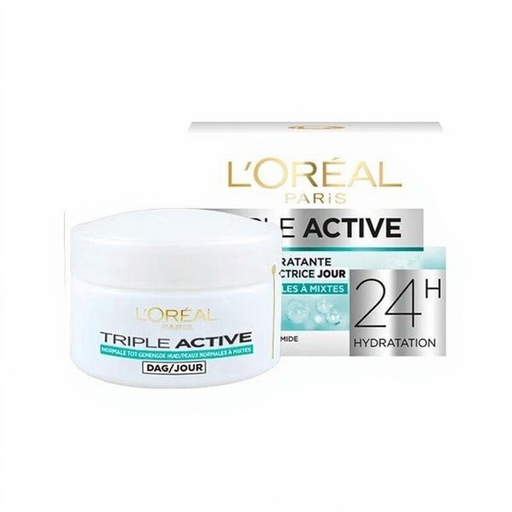
Why it suits this profile: This day cream is intended for normal to combination skin and fits easily into a simple daily routine.
The product information clearly states the skin type and intended use, making you less likely to choose a heavy body cream for your face.
50 ml; contains glycerine and panthenol; designed for use as a day cream.
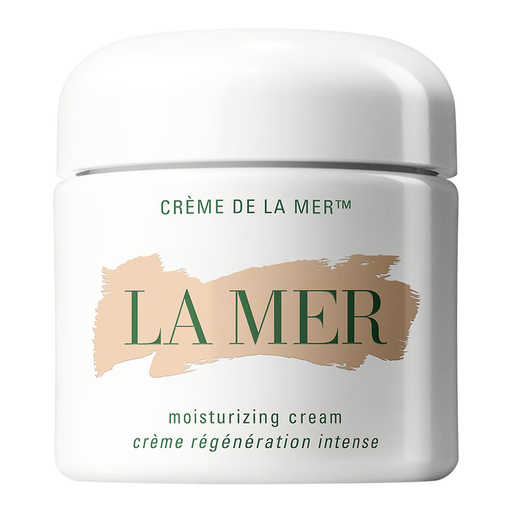
Why it suits this profile: According to the product description, this rich face cream is intended for dry skin and can be used in the morning and evening.
The instruction to warm a small amount between your fingers helps prevent over-application of a rich cream.
100 ml; rich cream; suitable for use on the face and neck; dermatologically tested according to the product information.

Why it suits this profile: According to the product information, this gel cream is suitable for dry, very dry, combination and oily skin, and can also be used as an intensive treatment or mask.
The lightweight gel cream is an alternative for anyone who finds rich creams too heavy, while the product can also be applied locally to dry areas.
30 ml; gel cream; fragrance-free, alcohol-free and non-comedogenic according to the product information.
For dry areas of the body, Clarins Body-Smoothing Moisture Milk may be a practical option: the product description states that it contains 400 ml and absorbs quickly. According to the brand’s description, the product keeps the skin hydrated for up to 48 hours; if you have sensitive skin, check the ingredients list for fragrance.
We have compiled a complete, up-to-date list of products that fully meet these strict selection criteria and the applicable European safety regulations.
You can usually use a moisturiser once or twice a day, depending on the product instructions and how your skin feels. Dry skin may benefit from a morning and evening routine. For oily or combination skin, one lightweight layer may be enough.
Check the expiry date and the PAO symbol on the packaging. Many products state that they should be used within 12 months of opening, but this varies between formulas. A change in smell, colour or texture is a reason to stop using the product.
The price depends on the brand, amount, packaging and ingredients. Always compare the price per millilitre or gram, and consider the intended area of use. A 50 ml face cream is not directly comparable with a 400 ml body milk. This helps prevent a high price from automatically being mistaken for a better match for your skin.
