
Vandaag of morgen in huis

Kwaliteit gegarandeerd

Welkomstaanbiedingen ontgrendelen: GRATIS bezorging | Tot 80% korting | Gratis 30 dagen JoyPlus-proefperiode
Download de app
A moisturiser may seem like a simple purchase, but the range of options varies widely. A lightweight gel for oily skin has different properties from a rich cream for dry hands or a moisturising cream for sensitive skin. If you only go by a prominent claim or attractive packaging, you could end up spending money on a product that does not feel comfortable or fit into your daily routine.
Words such as “intensive”, “soothing” or “repairing” say little about the formula on their own. Always check the full ingredients list, as well as the texture, size and directions for use. Performance claims come from the brand and are not a personal guarantee.
According to Clinique’s own research, the Moisture Surge formula provides up to 100 hours of hydration. This is a brand claim; also check whether the gel texture and ingredients suit your skin and when you plan to use it.
A body cream is often richer and comes in a larger container. That can be practical for your arms, legs and hands, but a greasy texture may not feel comfortable on everyone’s face. A facial moisturiser is usually designed for lighter application and may offer additional features, such as a gel texture or a fragrance-free formula.
A hyaluronic acid cream sounds appealing when you want to retain moisture, but the overall formula determines how a cream feels. Glycerine, oils, butters, silicones, ceramides and panthenol can all affect the product texture. If you have sensitive skin, it is also wise to check carefully for fragrance and known allergens.
Glycerine and hyaluronic acid, often listed as sodium hyaluronate or hydrolyzed hyaluronic acid, are widely used in moisturising formulas. Ceramide NP, squalane, panthenol and beta-glucan are found in creams that, according to their product descriptions, are designed to provide comfort and help retain moisture.
Niacinamide cream is popular with people who want to combine hydration with care for an uneven complexion. However, the presence of niacinamide does not automatically mean that every skin type will react in the same way. Introduce new products gradually and, if in doubt, test a small amount on a limited area of skin first.
Also pay attention to the order of the ingredients: substances listed near the beginning are generally present in higher amounts than those at the end of the list. The exact concentration is not always stated.
Compare the quantity in millilitres or grams, rather than just the price of the container. A 100 ml pot may offer better value per use than a smaller tube, but a compact size is convenient for travelling or for trying out a new formula first.
Always follow the information on the packaging regarding shelf life and the period after opening. Store cream in a cool, dry place away from direct sunlight, and close the container properly. Do not use a product on damaged skin if the directions for use advise against it.
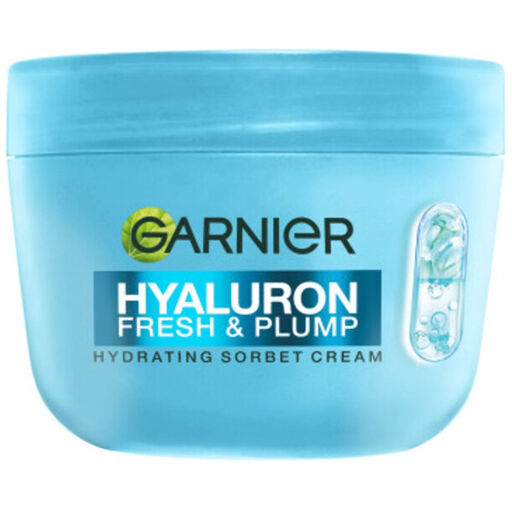
Why it suits this profile: The sorbet-like texture and 85 ml size make this facial cream a suitable choice for anyone looking for an accessible everyday moisturiser.
The ingredients list is available, allowing you to check glycerine, niacinamide, aloe vera, sodium hyaluronate, salicylic acid, fragrance and denatured alcohol, among other ingredients.
Contains glycerine, niacinamide and sodium hyaluronate; use according to the product information after cleansing and applying serum.

Why it suits this profile: This Korean skincare cream is designed for anyone who wants to compare several hydrating components and a generous size.
According to the product information, the formula contains five types of hyaluronic acid and no ethanol. Check the full list if you have known allergies.
100 ml; contains glycerine, sodium hyaluronate, ceramide NP, panthenol, shea butter, argan oil and apricot kernel oil, among other ingredients.
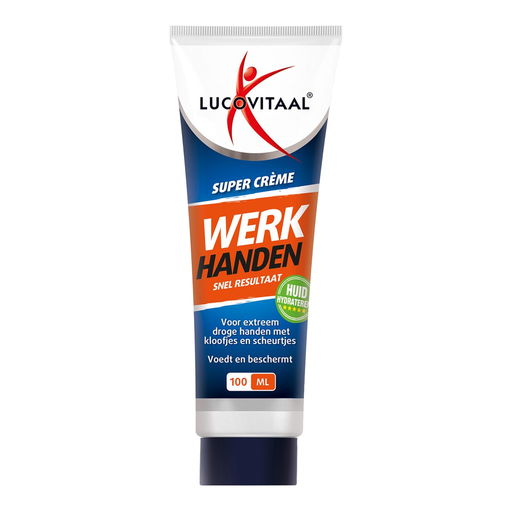
Why it suits this profile: If you often garden, do DIY, clean or work with your hands, a separate hand cream may be more practical than using one cream for your whole body.
The product information focuses on dry, hard-working hands, allowing you to assess its intended use clearly rather than relying on a general claim.
100 ml; contains shea butter, glycerine, dimethicone, macadamia oil and allantoin, among other ingredients. Contains fragrance and soya.
We have put together a complete, up-to-date list of products that fully meet these strict selection criteria and the applicable European safety regulations.
Apply facial cream to cleansed skin and follow the instructions on the packaging. A small amount is usually enough; using more product does not automatically make a formula more effective. During the day, use a sun protection product when the directions for use recommend it, particularly with formulas containing exfoliating ingredients such as salicylic acid or fruit acids.
If you have sensitive skin, test a new cream on a small area first. Stop using it if persistent redness, itching, swelling or a burning sensation occurs. Cosmetics are not intended to diagnose or treat skin problems on their own. If symptoms persist, seek advice from a doctor or pharmacist.
Look for a richer texture containing ingredients such as glycerine, hyaluronic acid, shea butter, oils or ceramides. If your skin is also sensitive, check particularly carefully for fragrance and known allergens. The ideal choice depends on how the cream feels and whether you will want to continue using it every day.
Sometimes this is possible according to the product instructions, but not every body cream is designed for use on the face. Body creams may be richer and contain fragrance. Always check the intended area of use and, if in doubt, test a small amount first.
This varies from product to product. Look for the open-jar symbol, such as 6M or 12M, and check the information on the packaging. If the smell, colour or texture changes, or if irritation develops, stop using the product.
