
Vandaag of morgen in huis

Kwaliteit gegarandeerd

Welkomstaanbiedingen ontgrendelen: GRATIS bezorging | Tot 80% korting | Gratis 30 dagen JoyPlus-proefperiode
Download de app
A moisturiser may seem like a simple purchase, but the range of options can make choosing difficult. Are you looking for a face cream, day cream, night cream or body cream for dry skin? You will soon come across terms such as “intensive hydration”, “barrier repair” and “anti-ageing”. These descriptions only tell you so much when you also need to consider the ingredients, texture and directions for use.
This guide will help you choose a moisturiser based on verifiable product information. That way, you can avoid paying mainly for attractive packaging or a promise that does not suit your skin or routine.
A cream for dry skin is often richer than a gel cream for oily or combination skin. That does not automatically mean a rich formula will feel better for everyone. A thick cream can feel heavy during the day, especially under make-up or in warm weather. If you have oily skin, it may be better to look for a gel cream or a fast-absorbing moisturiser.
Vitamin C cream, retinol cream, niacinamide cream and products containing AHA or BHA each have a different purpose in a skincare routine. Using several active ingredients at the same time can leave your skin feeling uncomfortable. Start with one new product and use it according to the label. With retinol, building up gradually is important; for example, the brand’s product description advises using it no more than three times a week initially.
A statement such as “dermatologically tested” describes a test or assessment of the product, but it does not predict how your skin will react. Check the ingredients list, look out for fragrance or alcohol if you are sensitive to them, and carry out a patch test first if you have sensitive skin. Stop using the product if you experience redness, itching or irritation.
Look for glycerin, hyaluronic acid, panthenol and similar humectant ingredients. Glycerin, for example, is found in NIVEA Repair & Care and Zwitsal Baby Soft Cream. Hydrium Triple Hyaluronic Moisture Ampoule contains three forms of hyaluronic acid and panthenol. This is a serum rather than a cream, but it can be used underneath a moisturiser.
A humectant works best when you then apply a cream that helps lock in the moisture. The right combination depends on your skin type and how dry your skin feels.
A face cream is formulated for a smaller, more sensitive area than a body cream. For hands, legs and very dry areas of the body, a richer formula may be more practical. Also check whether the product is suitable for the face, body, neck or baby skin.
A day cream may contain SPF, but SPF 15 does not always replace a separate sunscreen, for example during prolonged sun exposure. A night cream or sleeping mask is usually richer and intended as the final step in your evening routine.
The concentration is relevant when choosing a retinol cream. The Retinol 0.1 Cream states 0.1% retinol and, according to the product description, is aimed at beginners. Preferably use retinol in the evening, build up gradually and follow the warnings on the packaging.
You should also follow the directions for use with vitamin C creams and acids. Garnier SkinActive Vitamin C Fresh & Bright Sorbet Cream contains, among other ingredients, ascorbyl glucoside and salicylic acid. According to the product warning, the product may increase sensitivity to the sun; daily use of sun protection is therefore recommended. This is information from the product listing, not a medical assessment.
When buying, also check the INCI ingredients, contents, expiry date and period after opening. Cosmetics sold in the European Union are covered by Regulation (EC) No 1223/2009. An EU responsible person and clear safety information should be included in the product information.
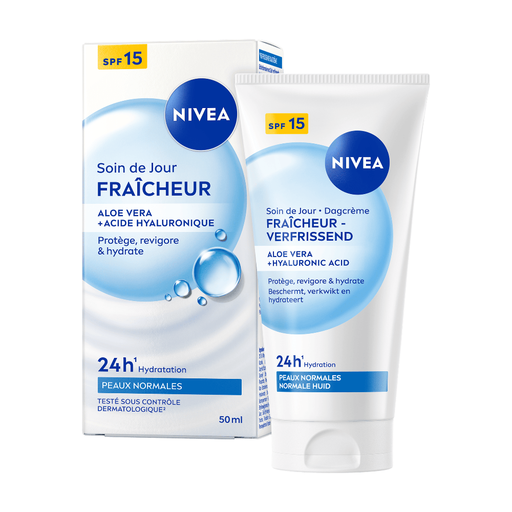
Why it suits this profile: An accessible day cream for normal skin, with 50 ml of product and a lightweight, fast-absorbing formula for everyday use.
The product information lists specific ingredients such as glycerin, aloe vera and sodium hyaluronate, rather than making only a general hydration claim.
50 ml; SPF 15; glycerin and hyaluronic acid in the ingredients list; intended for normal skin.
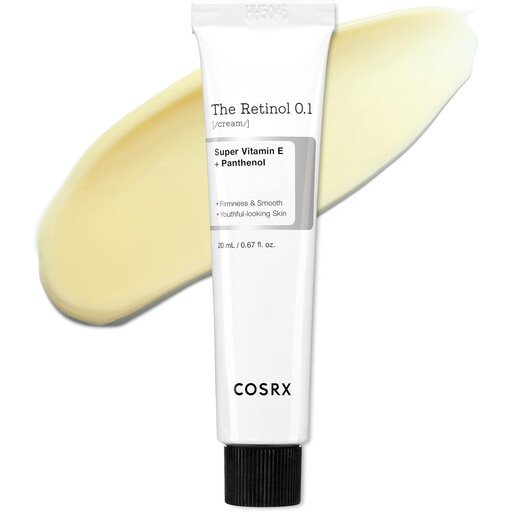
Why it suits this profile: For anyone who wants to begin using retinol cautiously alongside hydration and is prepared to build up their routine gradually.
The concentration of 0.1% retinol is stated clearly. The directions advise starting with a small amount and pausing use temporarily if irritation occurs.
0.1% retinol; 20 ml; with panthenol and glycerin; suitable for the face and neck according to the product details.
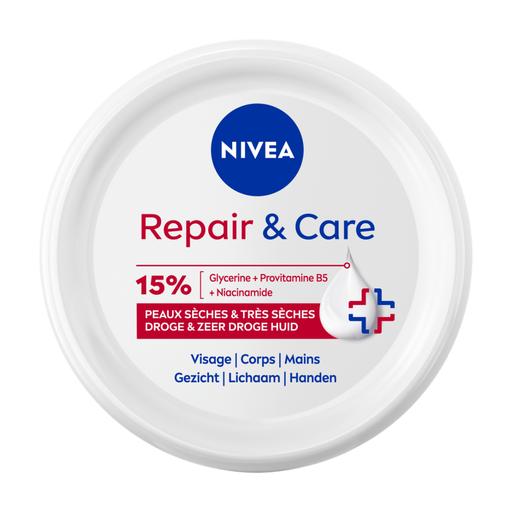
Why it suits this profile: A practical choice for very dry, rough skin on the body, hands and other larger areas.
The 400 ml pack is designed for regular body use. The formula lists glycerin, panthenol, vitamin E and niacinamide.
400 ml; for the face, body and hands according to the product description; contains 12% glycerin according to the stated product information.
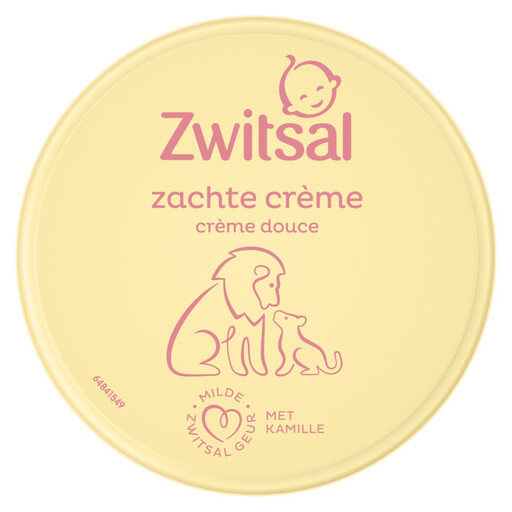
Why it suits this profile: A cream for baby skin which, according to the product details, can be used on the face and body, for example after bathing.
The product information states that it is pH skin-neutral, contains 200 ml and is suitable for the face and body. Always check the full ingredients list when using it on sensitive baby skin.
200 ml; with vitamin E; pH skin-neutral according to the product details; intended for baby skin from birth.
We have put together a complete, up-to-date list of products that fully meet these strict selection criteria and the applicable European safety regulations.
In practice, these terms are often used interchangeably. Both usually refer to a product that helps the skin feel more comfortable and retain moisture. Look beyond the name and check for ingredients such as glycerin, hyaluronic acid, panthenol or oils.
That depends on the product and your skin. A day cream can usually be used in the morning and a night cream in the evening. You can apply body cream whenever your skin feels dry. For active ingredients such as retinol or acids, follow the specific directions for use and build up gradually if necessary.
The exact shelf life is stated on the packaging, for example as an expiry date or a period-after-opening symbol. Ideally, make a note of when you open a pot or tube. If the product’s smell, colour, texture or performance changes, stop using it and check the manufacturer’s information.
