
Vandaag of morgen in huis

Kwaliteit gegarandeerd

Welkomstaanbiedingen ontgrendelen: GRATIS bezorging | Tot 80% korting | Gratis 30 dagen JoyPlus-proefperiode
Download de app
A moisturiser may seem like a simple product, but the range of options varies considerably. A lightweight gel cream for oily skin has different properties from a rich body cream for dry skin. A face cream for sensitive skin also requires a different approach from a hand cream for everyday use.
The following three pitfalls regularly lead to disappointing purchases:
First, check what the cream is intended for. A body cream often contains a richer base, with ingredients such as shea butter, mineral oils or silicones. This can help the skin feel comfortable, but may be too rich for the face.
For the face, you can broadly choose from:
A cream for dry skin can have a richer texture, while a cream for sensitive skin is generally a better choice if you want to avoid perfume and a long list of fragrance ingredients. Always check the packaging; product formulas may change between batches or markets.
Do not focus only on the ingredient named on the front. Check the complete INCI list.
A CBD cream may be appealing as an additional moisturising product for very dry skin. The presence of CBD alone does not indicate how a product will react with your skin. Use cosmetics only as directed on the label and stop using them if irritation occurs.
Compare the contents in millilitres or grams, rather than looking only at the price of the packaging. A 400 ml jar may be good value for the body and hands, while 30 or 50 ml is more practical for a facial skincare routine.
Also check:
Apply a new product to a small area of skin first. If redness, swelling, itching or a burning sensation persists, stop using the product and seek advice from a doctor or dermatologist if necessary. Cosmetics are not a treatment for a skin condition.
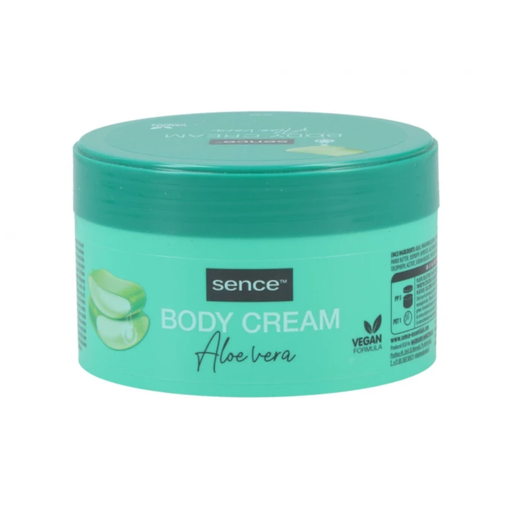
Why it suits this profile: A simple body cream for anyone looking for everyday body hydration without immediately putting together an extensive skincare routine.
The product details clearly state that this is a body cream and that it contains 200 ml. The aloe vera reference does not replace checking the full ingredients list or fragrance ingredients.
200 ml body size; the product description mentions aloe vera and a fresh fragrance.

Why it suits this profile: This gel cream is designed for facial use and suits anyone looking for a lightweight, quick-absorbing texture for dry, combination or oily skin.
The texture and intended area of use are clearly described. The claim of up to 100 hours of hydration is a brand claim; do not treat it as a guarantee for every skin type.
30 ml gel cream; according to the product details, fragrance-free, alcohol-free and non-comedogenic.
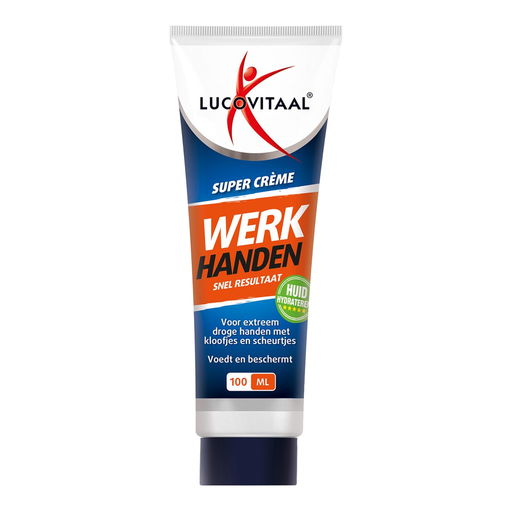
Why it suits this profile: Designed for dry, hard-working hands after housework, gardening, DIY or industrial work.
The product is specifically described as a hand cream. This means you do not have to pay for a general face cream for an application it was not designed for.
100 ml; according to the ingredients list, contains shea butter, glycerine, dimethicone and allantoin, among other ingredients.

Why it suits this profile: A Korean face cream with a gel cream texture for anyone who wants to combine several hydrating ingredients with a relatively lightweight application.
The product information mentions five types of hyaluronic acid and a gel cream texture. If you have sensitive skin, still check the complete ingredients list.
100 ml; contains sodium hyaluronate, hydrolyzed hyaluronic acid, ceramide NP and panthenol according to the stated INCI list.
We have put together a complete, up-to-date list of products that fully meet these strict selection criteria and the applicable European safety regulations.
Apply a face cream after cleansing, and optionally after toner and serum. A small amount is usually enough. Gently spread the cream over your face and neck, then lightly pat it in. During the day, sunscreen should be part of your routine when you go outside; an ordinary moisturiser does not replace sun protection.
For a body cream, applying it after showering is often effective, while the skin is clean and not yet completely dry. You can reapply hand cream after washing or carrying out tasks. Use a richer formula on dry areas and a lighter gel cream on areas that quickly feel oily.
This varies by product. Check the expiry date, the PAO symbol and the instructions on the packaging. Store the cream in a cool, dry place away from direct sunlight. If the scent, colour or texture changes noticeably, stop using the product.
Preferably choose a formula with a short, easy-to-understand ingredients list, and check for perfume, essential oils and known allergens. A fragrance-free cream may be a sensible choice, but “fragrance-free” is not a guarantee that every skin type will tolerate the product. Test a small amount first.
Yes, but choose a lightweight gel cream and pay attention to the texture. Products labelled non-comedogenic are developed with consideration for pores, according to the product information, but individual results may vary. Start with a small amount and do not introduce several new products at the same time.
