
Vandaag of morgen in huis

Kwaliteit gegarandeerd

Welkomstaanbiedingen ontgrendelen: GRATIS bezorging | Tot 80% korting | Gratis 30 dagen JoyPlus-proefperiode
Download de app
A moisturiser might seem like a simple purchase, but the choice is vast. A light gel cream, a rich moisturiser, a body cream or a Korean skincare formula can all be suitable, but not for the same skin or purpose. If you only look out for terms like "intensive hydration" or "natural", you can end up paying for features that don't really fit your routine.
So pay particular attention to the texture, ingredients list, application and skin tolerance. That way, you can avoid a cream that feels too greasy, pills under sunscreen, or simply doesn't offer enough comfort for dry skin.
Words like "soothing", "restorative" and "glow" don't automatically describe a result that works for everyone. According to a brand's own research or product information, ingredients such as panthenol, ceramides or hyaluronic acid can contribute to hydration and comfort, but individual skin reactions vary.
So look at the full ingredients list. A product with glycerine, hyaluronic acid, panthenol, squalane or ceramides can be a good option for dehydrated skin, while fragrance or certain plant extracts may be less suitable for sensitive skin.
A body cream is often formulated for larger skin areas and can be richer or fragranced. For the face, especially if you have oily or acne-prone skin, a light face cream or gel cream is usually more practical. Always check the intended use: face, body, or both.
"For all skin types" is no guarantee that the texture will feel pleasant. Dry skin may need a richer formula, while oily or combination skin often prefers a fast-absorbing moisturiser. For sensitive skin, a short ingredients list, a fragrance-free cream and a patch test are sensible things to consider.
You typically apply a hydrating face cream after cleansing and any serum. During the day, follow with sunscreen. A body cream works best on clean skin, ideally shortly after showering.
Hyaluronic acid helps attract moisture and comes in different forms. On its own, it doesn't tell you anything about the overall texture of the product. Glycerine is a widely used humectant. Panthenol is often added for a comfortable skin feel.
Ceramides, cholesterol and fatty acids are found in formulas designed to support the skin barrier. This can be useful for dry or dehydrated skin. The formulation as a whole remains important: a rich cream feels different from a light lotion, even if both contain hyaluronic acid.
For sensitive skin, a fragrance-free cream can be a logical choice. Always check the label, though, because "natural", "Korean skincare" or "hypoallergenic" doesn't mean a product is suitable for everyone. According to the manufacturer's product information, a formula may be dermatologically tested, but that doesn't completely rule out a personal reaction.
Don't just compare the price; compare the contents too. A 50 ml face cream and a 100 ml gel aren't directly comparable. Check the expiry date and the period after opening on the packaging. Don't use a product on broken skin and avoid contact with the eyes. If you experience redness, itching, swelling or a burning sensation, stop using it.
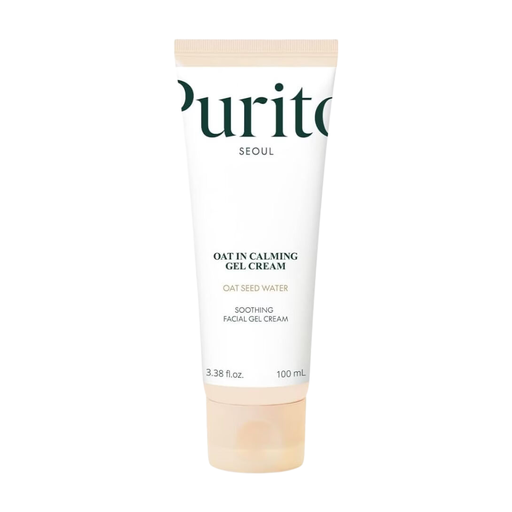
Why this fits the profile: The light 100 ml gel cream is easy to use in a morning and evening routine. The product description mentions 77% oat seed water, glycerine, panthenol, squalane and beta-glucan.
The gel texture is designed for hydration without a heavy, greasy feel. Check the ingredients beforehand and do a patch test if you have sensitive skin.
100 ml content; light gel cream with panthenol, squalane and oat seed water according to the product information.
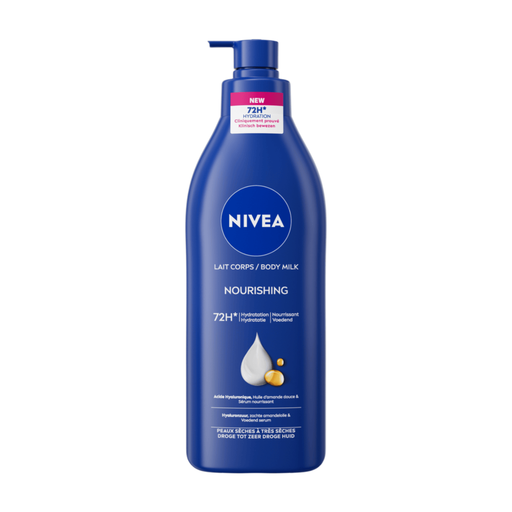
Why this fits the profile: For daily use on the body, the packaging offers 400 ml. The product information mentions hyaluronic acid, almond oil and a fast-absorbing body milk texture.
The large size is designed for body use, not a small face pot. The ingredients list contains fragrance and perfume; sensitive users would do well to check this beforehand.
400 ml; intended for dry to very dry skin; hyaluronic acid and almond oil are listed in the product information.

Why this fits the profile: The 100 ml gel cream is intended for the face and neck. The product description mentions a light texture and use for oily, combination or dry skin.
The watery gel texture stops you from automatically choosing a heavy cream for oily skin. Do check whether the listed plant extracts suit your skin.
100 ml; gel cream for face and neck; the product information mentions 44% red bean extract and a peptide complex.
We've put together a full, up-to-date list of products that fully meet these strict selection criteria and comply with current European safety regulations.
Once in the morning and once in the evening, after cleansing, is usually enough. If you have dry skin, you can reapply locally when your skin feels tight. During the day, also use a sunscreen product with suitable protection.
Generally, choose a light gel cream, lotion or oil-free moisturiser. Look for a fast-absorbing texture and avoid a layer that's too rich if it makes your skin feel shiny or heavy. Oily skin can also be dehydrated at the same time; hydration and a richer formula are not the same thing.
Follow the expiry date and the symbol for the period after opening on the packaging. Close the pot or tube properly and store the product in a cool place away from direct sunlight. If the smell, colour or consistency changes, don't use the product any more.
