
Vandaag of morgen in huis

Kwaliteit gegarandeerd

Welkomstaanbiedingen ontgrendelen: GRATIS bezorging | Tot 80% korting | Gratis 30 dagen JoyPlus-proefperiode
Download de app
A moisturiser might seem like a simple purchase, but the choice is vast. Whether you’re looking for a face cream, body cream or moisturiser for dry skin, you’ll quickly come across terms like “intensive hydration”, “barrier repair” and “anti-ageing”. These descriptions don’t always tell you enough about the formulation or how to use it.
The right choice starts not with a flashy claim, but with your skin type, the intended use and the ingredients list.
A body cream is often richer and thicker than a face cream. That can feel lovely on dry elbows or legs, but less suitable on oilier facial skin. Always check the stated area of use. A product for the face may also come in a smaller pot, whereas a body cream is often 200 ml or more.
More ingredients don’t automatically mean a moisturiser is better for your skin. Instead, look for recognisable humectants and emollients, such as glycerine, hyaluronic acid, panthenol, shea butter or jojoba oil. Ingredients like ceramides and cholesterol often appear in formulas that, according to the product description, are designed to support the skin barrier.
An ingredient is no guarantee of a particular result. The full formula, concentration and your own personal skin reaction all play a part.
If you have sensitive skin, watch out for perfume, essential oils and fragrance allergens such as limonene, linalool and geraniol. A fragrance-free cream can then be a practical choice, but even fragrance-free products can cause an individual reaction.
With a cream containing glycolic acid or other exfoliating ingredients, extra caution is wise. Build up use gradually and stop if irritation occurs. During the day, a suitable sunscreen should also be part of your skincare routine.
Hyaluronic acid works in cosmetic formulas as a humectant. A hyaluronic acid cream can therefore feel comforting when your skin feels tight or dehydrated. The product description for Isntree, for example, mentions five types of hyaluronic acid, alongside argan and apricot oil.
Ceramides are lipids that occur naturally in the skin barrier. A ceramide cream can be of interest for dry skin that needs a more nourishing texture. According to its ingredients list, The Ceramide Skin Barrier Moisturiser contains multiple ceramides, hyaluronic acid, squalane and panthenol.
Glycerine, shea butter and jojoba oil are other commonly used ingredients in hydrating skincare. They can contribute to a comfortable skin feel, but suitability depends on the whole formula.
Don’t just compare the price – compare the volume too. A 400 ml pot is practical for daily use on the body, while 30 to 50 ml is typical for a face cream. Read the instructions for use and check the shelf-life information on the packaging. Some products also show a period-after-opening symbol.
When trying a new cream for sensitive skin, first do a small patch test on a limited area. Avoid contact with the eyes and do not use on broken skin unless the packaging expressly allows it.
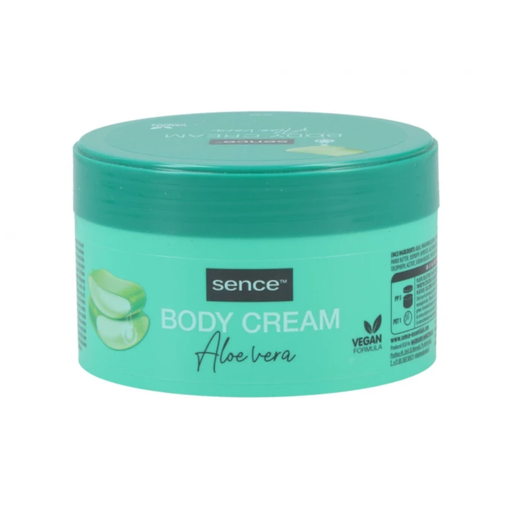
Why this fits the profile: This body cream is clearly specified with a 200 ml volume and is intended for daily body care.
Its use as a body cream is clearly stated, so you don’t need to judge it as a face cream. The fragrance is mentioned in the product description; do not choose this if you want a fragrance-free option.
Aloe vera variant, 200 ml volume and a product form designed for the body.

Why this fits the profile: This gel-cream is designed for the face and, according to the product information, has an oil-free and fragrance-free formula.
The product details clearly state the application, texture, volume and formula. The stated duration of hydration is a claim by Clinique and should not be taken as a personal guarantee.
75 ml, gel-cream, oil-free and, according to the product description, fragrance-free and non-comedogenic.

Why this fits the profile: This Korean skincare cream is designed for facial care and, according to the ingredients list, contains ceramides, hyaluronic acid, panthenol and squalane.
The formulation is transparently listed. If you have sensitive skin, do check the full current packaging and perform a patch test, even when a product is described as gentle.
80 ml, multiple ceramides, different forms of hyaluronic acid and a formula with panthenol.
We’ve put together a full, up-to-date list of products that fully meet these strict selection criteria and comply with current European safety regulations.
Apply a face cream to clean skin, ideally when your skin is still slightly damp. Use a small amount and spread it evenly over your face and neck. A rich cream for dry skin can be lovely in the evening; during the day, a lighter moisturiser may sit better under make-up.
For the body, applying after a shower often works well. Pay extra attention to your shins, hands, knees and elbows. Don’t automatically use the same cream for your face and body – check the label and texture first.
That depends on the product and how your skin feels. Many face creams are designed for morning and evening use, while a body cream can be applied as needed. Always follow the instructions on the packaging.
Look for a formula without perfume or essential oils and check the full ingredients list. A cream with glycerine, panthenol, ceramides or hyaluronic acid could be of interest, but always test a new product on a small area of skin first.
Check the expiry date and the period-after-opening symbol on the packaging. Close the pot or tube properly and store the cream in a cool, dry place away from direct sunlight. If the smell, colour or texture changes noticeably, do not use the product any more.
