
Vandaag of morgen in huis

Kwaliteit gegarandeerd

Welkomstaanbiedingen ontgrendelen: GRATIS bezorging | Tot 80% korting | Gratis 30 dagen JoyPlus-proefperiode
Download de app
Buying a moisturiser seems simple enough – until you have to choose between a face cream, body cream, hand cream, Korean skincare or a formula for sensitive skin. A high price tag or an impressive ingredients list doesn’t automatically mean a product is right for your skin and how you’ll use it.
The most common pitfalls:
Decide whether you need a cream for:
A cream for dry skin often contains both humectants and ingredients that leave the skin feeling comfortable. For oily or combination skin, a gel cream may be more pleasant than a thick balm.
Glycerine and hyaluronic acid help bind moisture to the skin. A hyaluronic acid cream can therefore feel light and fresh, but the overall formula determines how comfortable the skin stays.
Ceramides are lipid-like substances that occur naturally in the skin. A ceramide cream is worth considering when you particularly want to address dry skin and support the skin barrier.
Niacinamide often appears in a niacinamide cream for uneven skin tone or dull skin. Do check the full ingredients list, and if you have sensitive skin, it’s best to keep your routine simple and introduce few new products at once.
Aloe vera, oat and centella asiatica are frequently used in formulas that, according to the product description, provide a soothing or comfortable feel. Claims about effectiveness should be assessed per brand and product. According to the manufacturer’s own product information, these ingredients may contribute to hydration or comfort; this is not a medical assessment.
AHAs and vitamin C appear, for example, in some body creams. According to the product description from Sol de Janeiro, the Bom Dia Bright Body Cream is intended to care for the skin texture and appearance of the body. Fruit acid can make the skin more sensitive to sunlight. Use the product as directed on the packaging and pay attention to sun protection during the day.
A good choice also depends on your daily routine:
Also check the volume in millilitres and the shelf life after opening. Product information can vary per packaging or sales variant. For the Beauty of Joseon Dynasty Cream, for example, the available product details mention both 50 ml and 100 ml. So check the product page and packaging you’ve chosen before ordering.
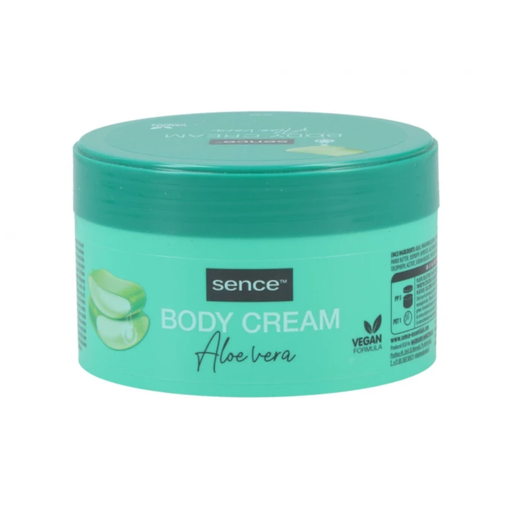
Why this fits the profile: The 200 ml volume is practical for daily use on the body. The product description mentions aloe vera and a fresh scent.
Its use as a body cream is clearly stated. Don’t expect a specialised face cream or a fragrance-free formula without checking the packaging.
200 ml; body cream with aloe vera according to the product information; suitable for a simple daily routine.
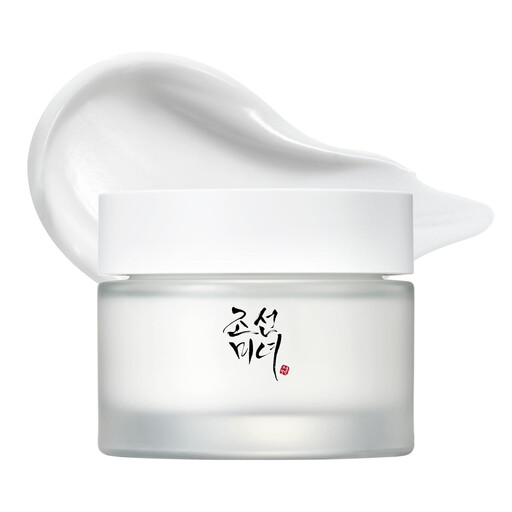
Why this fits the profile: This Korean skincare option is intended for the face and contains, according to the ingredients list, niacinamide, honey extract, ceramide NP and sodium hyaluronate.
The product category and area of use are clear: a face cream for the face. Check the desired volume, as different mentions of the size may occur.
Rich, creamy texture; niacinamide and ceramide NP are mentioned in the product information; unscented variant according to the available data.
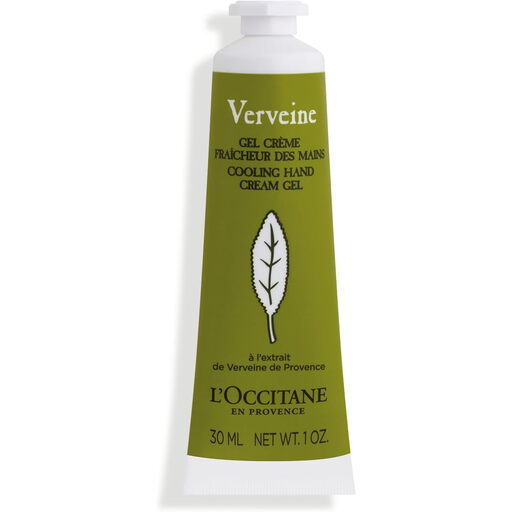
Why this fits the profile: The compact tube is ideal for a handbag, desk or travel. The gel texture is designed to be quickly absorbed.
Its use as a hand cream gel and the 30 ml volume are clear. The ingredients list includes alcohol, thyme oil and peppermint; check this if you have sensitive skin.
30 ml; light gel texture; product information mentions glycerine and lemon verbena extract.
We’ve put together a full, up-to-date list of products that fully meet these strict selection criteria and comply with current European safety regulations.
Before buying and using, read the ingredients list, warnings and instructions on the packaging. Test a new cream on a small area of skin first, especially if you have sensitive skin or known allergies. Stop if irritation occurs and avoid contact with the eyes, unless the product is specifically intended for that purpose.
Store creams in a cool, dry place away from direct sunlight, and close the jar or tube properly after use. Pay attention to the symbol for shelf life after opening, for example 12M. A change in smell, colour or any other noticeable alteration is a reason to stop using the product.
Look for a formula with humectants such as glycerine or hyaluronic acid, complemented by richer ingredients like shea butter, squalane or ceramides. A cream for dry skin often feels richer than a gel cream. For the face, choose a product specifically intended for the face.
Sometimes you can, but it’s not always practical. A product that, according to the packaging, is suitable for face and body – such as a classic rich cream – can be a handy multi-purpose option. For sensitive or blemish-prone facial skin, a face cream with a suitable texture and ingredients list is usually a more targeted choice.
Follow the expiry date and the symbol for use after opening on the packaging. Many cosmetic products state a period of, for example, 12 months after opening, but this varies per product. Store the cream according to the instructions and, if it comes in a jar, preferably use clean hands to scoop out the product.
