
Vandaag of morgen in huis

Kwaliteit gegarandeerd

Welkomstaanbiedingen ontgrendelen: GRATIS bezorging | Tot 80% korting | Gratis 30 dagen JoyPlus-proefperiode
Download de app
A moisturiser might seem like a simple product, but the options vary widely in texture, ingredients and application. A rich cream can feel lovely on dry skin, yet the same formula can feel too heavy on oily skin. And a high concentration of a well-known ingredient doesn’t automatically mean the product is right for your skin.
As a Joybuy Product Recommendation Officer, I filter product information based on practical points. This way, you avoid relying solely on claims, packaging or a popular trend.
A body cream is often richer and sold in a larger tub. That makes it handy for arms, legs and hands, but not every body cream feels comfortable on your face. Pay attention to the stated area of use, the fragrance and the texture. A face cream is usually formulated for daily use on the face and can be more suitable under sunscreen or make-up.
Ingredients like hyaluronic acid, niacinamide and ceramides frequently appear in marketing. However, their presence doesn’t tell you everything about the overall formula. A hyaluronic acid cream may mainly attract moisture, while a ceramide cream also contains lipids that help lock moisture in. Glycerine, panthenol, oils and occlusive ingredients can be just as important.
Always check the full ingredients list, not just the front of the packaging.
A product description may state that a cream is suitable for all skin types. That’s general product information, not a personal guarantee. A cream for sensitive skin could still contain an ingredient you don’t react well to. For a cream for oily skin, a gel cream is often more comfortable than a heavy, oily formula.
Always test a new product on a small area of skin first, and stop using it if irritation persists. Also follow the warnings and usage instructions on the packaging.
Choose the texture based on how your skin feels:
Hyaluronic acid and glycerine are widely used in hydrating formulas. Ceramides, cholesterol and fatty acids appear in products that focus on the skin barrier. A formula with niacinamide may, according to the product description, aim for a more even-looking complexion, but this is not a medical claim or a guaranteed result.
If you’re interested in Korean skincare, you’ll often see combinations of hydrating ingredients with plant extracts, centella asiatica, rice extract or ginseng. Alongside the brand’s story, also look at the actual INCI list.
A 100 ml pot might seem good value, but check whether you’ll use the cream only on your face or also on your neck and body. Look at the shelf life after opening and the information on the packaging. Some products, for example, state that they should be used within six or twelve months after opening.
Apply a day cream in the morning after cleansing. A night cream can be used as the last step in the evening. During the day, separate sun protection remains important; a moisturiser does not automatically replace it.
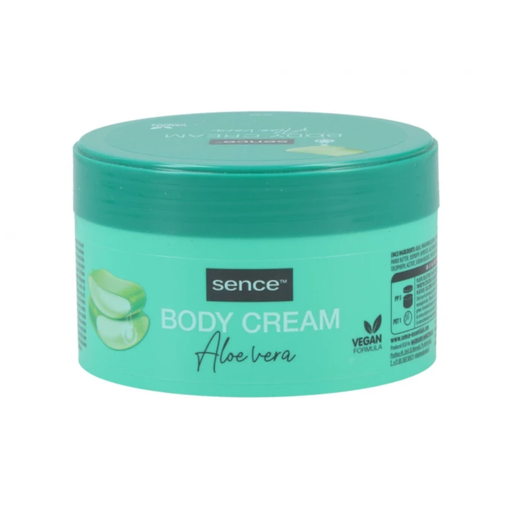
Why this fits the profile: The 200 ml tub is practical for daily use on arms, legs and hands. According to the product description, this body cream contains aloe vera and is intended for body hydration.
Its use as a body cream is clearly stated. This means you don’t automatically have to use a face product for body care.
200 ml content; aloe vera variant; intended for the body.
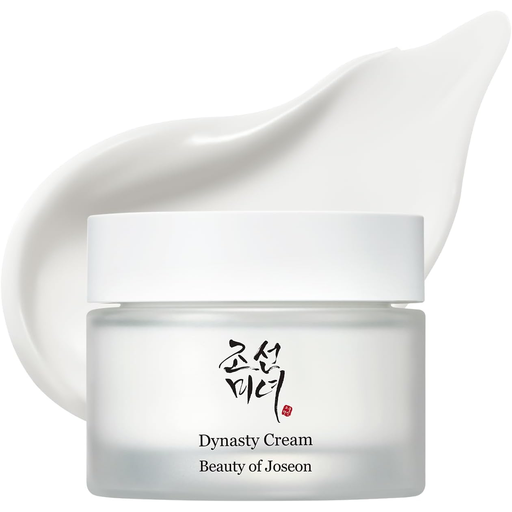
Why this fits the profile: This Korean skincare cream is a 100 ml face cream containing, among others, glycerine, niacinamide, panthenol and sodium hyaluronate in the stated ingredients list.
The product information states its use on the face and mentions an unscented variant. Check the current packaging if fragrance-free use is important to you.
100 ml face cream; ingredients such as niacinamide and sodium hyaluronate; suitable for morning and evening according to the product information.

Why this fits the profile: The product details describe this as a light gel cream for the face and neck, with a 100 ml content. The texture is designed to feel less heavy.
The gel texture prevents you from automatically choosing a heavy cream for oily skin. For dry skin, an extra nourishing layer may still be needed.
100 ml gel cream; intended for oily skin; application on face and neck.
We’ve put together a full, up-to-date list of products that fully meet these strict selection criteria and comply with current European safety regulations.
That depends on the product and your skin. Many face creams are intended for the morning, evening or both. Apply the cream to cleansed skin and follow the dosage on the packaging. A small amount is often enough; too much product can feel heavy or sticky.
Check the expiry date and the symbol for the period after opening on the packaging. The shelf life varies by formula. Store the cream closed, dry and out of direct sunlight. If the smell, colour or texture changes noticeably, stop using the product.
Look for a formula with hydrating and barrier-supporting ingredients, such as glycerine, panthenol, ceramides or hyaluronic acid. Choose a texture that feels comfortable and check the ingredients list for fragrance or known allergens. A patch test is still wise, even with a product that the product information says is suitable for sensitive skin.
