
Vandaag of morgen in huis

Kwaliteit gegarandeerd

Welkomstaanbiedingen ontgrendelen: GRATIS bezorging | Tot 80% korting | Gratis 30 dagen JoyPlus-proefperiode
Download de app
A dry or dehydrated skin doesn’t automatically call for the most expensive pot on the shelf. When choosing a moisturiser, the ingredients, the area of use and the texture matter far more than flashy marketing claims. This applies just as much to a body cream as it does to a face cream or a multi-purpose cream for face, hands and body.
Packaging often boasts claims like “up to 48 or 72 hours of hydration”. Always check how that claim is backed up. For example, NIVEA’s product information states whether a claim comes from an instrumental test, self-assessment or a limited number of participants. This gives you a more realistic idea of what to expect.
A long-lasting claim doesn’t mean you can apply the cream only rarely. Showering, washing your hands, cold weather and dry indoor air can all leave your skin feeling dry again.
A multi-purpose cream can be practical, but not every formula suits every face. A cream with fragrance may smell pleasant, but it isn’t always the most sensible choice for sensitive skin. So pay attention to the full ingredients list, not just words like “nourishing”, “repair” or “sensitive”.
If you’re looking for a cream for dry skin, you might look for ingredients such as glycerine, panthenol, urea, oils and emollients. Where an ingredient appears on the list gives an indication of the amount, but it doesn’t on its own tell you how your skin will react.
The term skin barrier repair is widely used in skincare. In practical terms, it usually refers to a formula that helps retain moisture and leaves the skin feeling supple. It is not a guarantee of medical treatment. For persistent redness, cracks, swelling or irritation, it’s wiser to seek advice from a doctor or pharmacist rather than trying yet another cream.
Glycerine attracts water and is common in a moisturising cream. A product with glycerine can be suitable for daily use on dry areas such as elbows, legs and hands. A higher concentration isn’t automatically better: the overall formula and how you use the cream remain key.
For an intensely hydrating cream for very dry skin, urea can be a good option. Urea is often combined with glycerine and panthenol. Do check whether the formula contains fragrance and whether the cream is intended for the face, body or both.
Panthenol, dimethicone, shea butter, jojoba oil and vitamin E can all contribute to a comfortable skin feel. A cream with vitamin E isn’t necessarily suitable for everyone, but it can be a practical choice when you’re also looking for softening and a smooth texture.
Ceramides, cholesterol and fatty acids also appear in formulas that target the natural skin barrier. Look at the full INCI list and watch out for known allergens, fragrance and essential oils if your skin reacts easily.
A light cream generally absorbs more quickly and works well for daytime use or under clothing. A richer cream is handy for very dry patches, especially in the evening. A large 400 ml pot is good value for body and hands, while 75 ml or 200 ml is easier to take with you.
Apply a moisturiser preferably to clean skin that is still slightly damp. Test a new product on a small area of skin first. Stop if irritation occurs and follow the usage and safety information on the packaging.
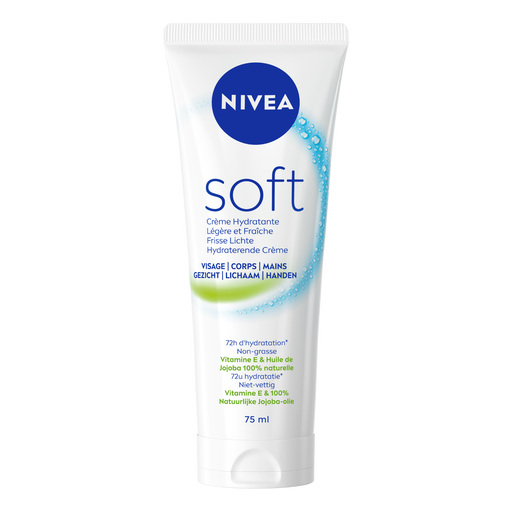
Why it fits this profile: A handy size for anyone wanting to try one cream for face, hands and body without buying a large tub straight away.
The product information clearly states its use for face, body and hands. Do check the fragrance allergens in the ingredients list.
Glycerine, vitamin E and jojoba oil; 75 ml; described as a light, fast-absorbing formula.
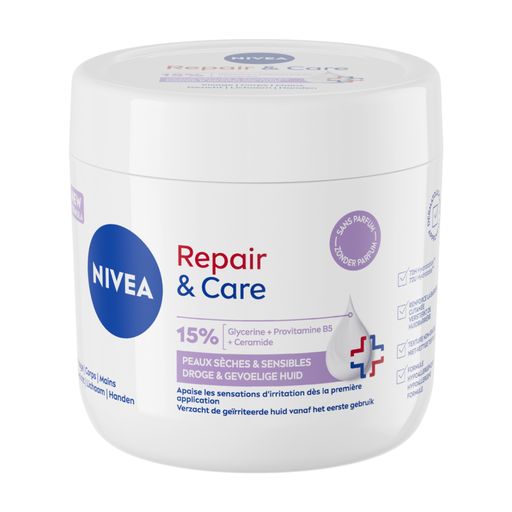
Why it fits this profile: For adults looking for a fragrance-free formula and a large tub for daily use on sensitive, dry skin.
The product description mentions a fragrance-free formula. This helps you avoid a common choice pitfall, but always check the current packaging before buying.
Contains, according to the product information, 10% glycerine and panthenol; 400 ml; intended for daily use.
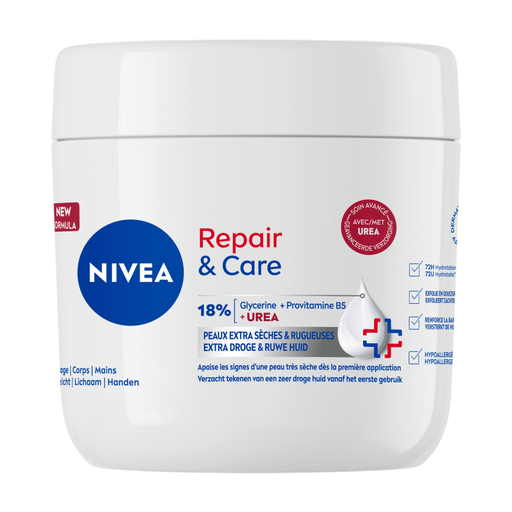
Why it fits this profile: For anyone looking for a cream for very dry skin with urea alongside glycerine and provitamin B5, for example on rough body areas.
The ingredients and intended use are clearly stated. The formula does contain fragrance; this is important if you are sensitive to it.
Contains, according to the product information, glycerine, urea and provitamin B5; 400 ml; targeted at very dry and rough skin.
We’ve put together a full, up-to-date list of products that fully meet these strict selection criteria and comply with current European safety regulations.
Look for a formula with humectants such as glycerine and possibly urea, panthenol or emollient oils. For sensitive skin, a fragrance-free version may be more practical. Also check whether the product is intended for the face, body or both.
That depends on your skin and the formula. Many people apply a cream once or twice a day, for example after showering and before bed. Dry hands may need more frequent care, especially after washing. Always follow the instructions on the packaging.
Check the expiry date and the symbol showing the period after opening, such as 12M. Keep the packaging tightly closed, cool and dry, and avoid direct sunlight. If the smell, colour or texture changes, do not use the product.
