
Clothes in a small wardrobe
If you keep your clothes in a closed wardrobe or drawer in a shared living room, a solution for a small storage space may be suitable. Bison and PINGI describe products designed for small storage areas.


For clothes in a closed wardrobe or drawer, a passive moisture absorber is a targeted option for that storage space, but it is no substitute for ventilation or dealing with the source of damp. If the living room itself remains damp after you have addressed the cause and improved ventilation, consider an electric dehumidifier based on the room size, temperature, noise, water collection and energy use. According to the Consumentenbond, desiccant models use more electricity than compressor models, so a desiccant dehumidifier is not automatically the right choice for a heated living room.
If you keep your clothes in a closed wardrobe or drawer in a shared living room, a solution for a small storage space may be suitable. Bison and PINGI describe products designed for small storage areas.
If the living room itself remains damp, look beyond a moisture absorber in the wardrobe. The Consumentenbond and Milieu Centraal highlight dehumidification and ventilation respectively as relevant considerations.
If you share the space, choose a position that works with walkways, delicate belongings and any arrangements for emptying, replacing or regenerating the product. Follow the manufacturer's instructions, such as those from Bison, PINGI and Rubson.
First decide whether you want to tackle moisture in your clothes storage or in the living room air itself. Then factor in where the product will go and the maintenance it will need over time.
| Consideration | What should you check? | Who is this important for? |
|---|---|---|
| Protecting clothes | Check whether the clothes are kept in a closed drawer, box or wardrobe, and whether the stated application range of the exact product is suitable. | I mainly want to protect clothes in a closed drawer or wardrobe, rather than treat the whole living room; around 33% of consumers make this kind of targeted protection their main priority. |
| Damp in the living room | First investigate the source of the damp and check ventilation. Then compare the room size and temperature with the requirements for an electric model. | If the living room itself stays damp, I want to address the cause and ventilation first, then assess the air in the room; around 27% of consumers prioritise dehumidifying the whole room. |
| Safe positioning | Check that any collection tank is stable, and follow warnings about children, pets and delicate materials. | I want to avoid a tank being knocked over or a product coming into contact with shared belongings; around 20% of consumers prioritise safe, suitable positioning above all else. |
| Maintenance | Compare replacing, refilling and emptying with regenerating a product, or with the energy use and emptying requirements of an electric dehumidifier. | I want to know in advance what regular tasks will be manageable and who at home will take care of them; around 20% of consumers give maintenance needs the greatest weight. |
A product designed for a small, enclosed storage space is not the same as dehumidifying the air in a room. Ventilation and the source of the damp need to be addressed separately.
First work out where the damp is coming from and deal with the cause before choosing a product size.
Repeatedly replacing or regenerating a product can create extra work without addressing the cause of the damp in the room.
A knocked-over tank can spill liquid. Manufacturers also warn against placing products near children, pets or certain materials.
Choose a stable position out of reach of children and pets, and follow the warnings for the specific product.
According to the Consumentenbond, desiccant models are mainly suitable for cold or unheated rooms and use more electricity than compressor models. That does not automatically make desiccant technology the right choice for a heated living room.
Compare models at the temperature of the room, and consider energy use, noise and water collection too.
A desiccant model may use more electricity than a suitable compressor model.
Bison describes both a hanging Compact for small spaces and a refillable Original with a collection tank.
PINGI describes reusable moisture absorber bags, including the 150 g Mini for small drawers, boxes and compartments.
Rubson presents the Aero 360 Color collection as a passive moisture absorber with a collection tank and replaceable tab for small spaces.
Trotec describes the TTR 57 E electric desiccant dehumidifier as suitable for dehumidifying a room.
This selection includes passive moisture absorbers and bags for wardrobes and other small storage spaces, as well as an electric dehumidifier for anyone looking to tackle damp in the shared room itself.
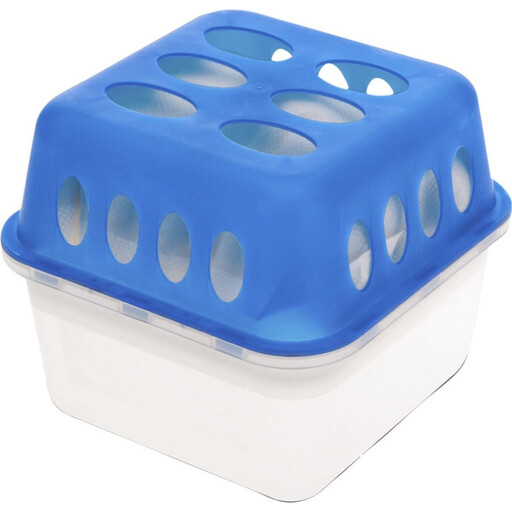 No image available
A refillable passive moisture absorber for anyone looking to reduce moisture in a wardrobe or other small storage space.
The product information states that it has an 800 ml reservoir and a refillable design. Refills are required, and the collection tank needs emptying.
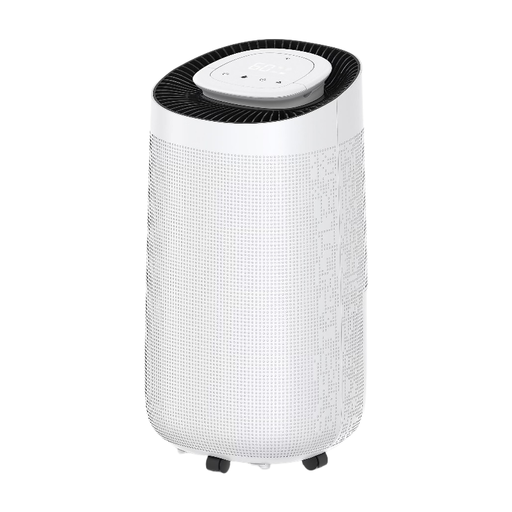 No image available
An electric dehumidifier for consumers who want to tackle damp in the shared room itself.
The product title specifies 16 L/day and a 3.2 l tank. The product information states that it is suitable for rooms up to 30 m² and includes a drain hose; the appliance runs on mains electricity. The stated capacity is not a measurement taken in your home.
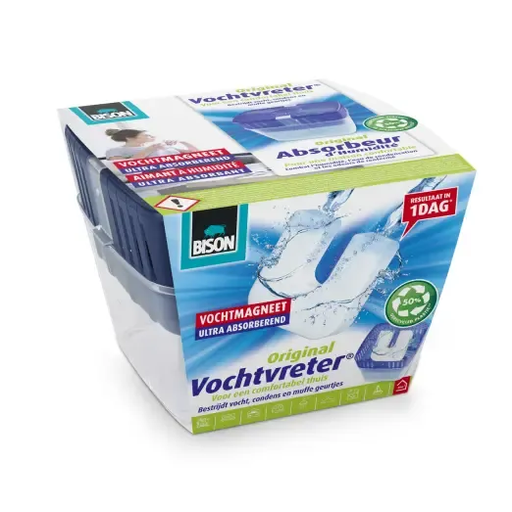 No image available
A passive, refillable moisture absorber for anyone who wants to use a collection tank in a wardrobe or other small space.
The product title specifies the 450 g version. The collection tank needs emptying; spilled liquid can cause stains. Keep the product out of reach of children and follow the warnings about contact with materials.
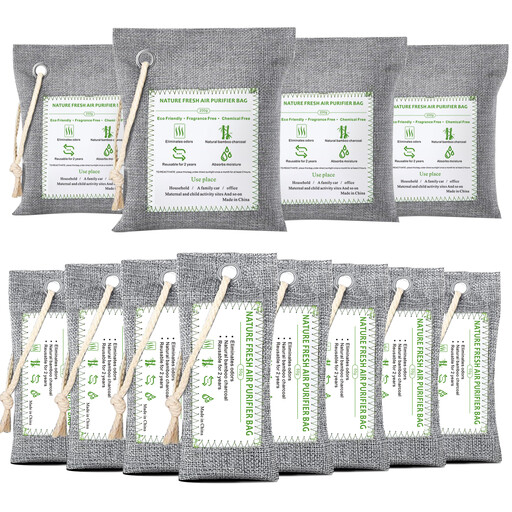 No image available
Bags for consumers who want to try absorbing moisture around clothes in a wardrobe or drawer, rather than using an appliance for the whole living room.
The product information recommends drying the bags in direct sunlight for at least 2 hours each month before reusing them. Keep them away from fire and young children, and do not immerse them in water.
 No image available
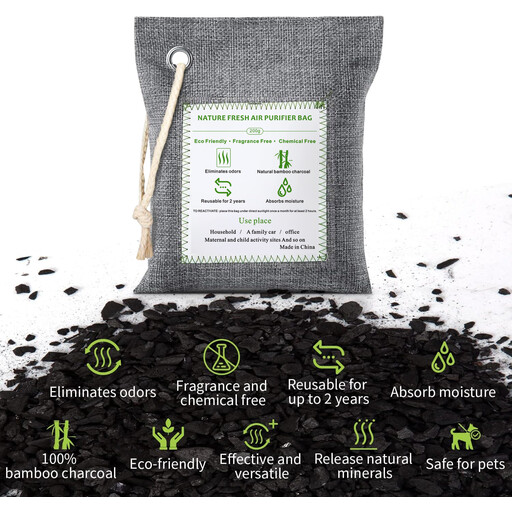
Bags for anyone looking for a way to absorb moisture in a wardrobe, drawer or storage container.
The product information recommends drying the bags in direct sunlight for at least 2 hours each month before reusing them. Keep them away from fire and young children, and do not immerse them in water.
First address the cause, such as poor ventilation or a leak. The Consumentenbond suggests an electric dehumidifier as a possible next step if humidity remains consistently above 65% after the causes have been addressed; a bag for a small wardrobe is no substitute for ventilating the room.
Follow the instructions for the model you choose: replace Bison Compact once it is saturated, use the indicator on PINGI Mini to know when to regenerate it, and empty and refill the Rubson collection tank. Bear in mind the manufacturer's warnings about positioning and contact with materials.
Compare replaceable bags or tabs with microwave regeneration, or with the electricity use and emptying requirements of an electric appliance. No comparable annual running costs are given for these models. The Rijksoverheid states that there is no fixed statutory warranty period in the Netherlands; the seller handles the statutory guarantee if a product does not meet the terms of the agreement.
Check that the stated room size suits your room, and compare temperature, electricity use, noise and water collection. According to the Consumentenbond, desiccant models use more electricity than compressor models and are mainly suitable for cold or unheated rooms.
First report damp, leaks or mould to your landlord in writing and keep a copy. The Rijksoverheid describes this report as the first step; what you can do next depends on the defect and your rental situation. Buying a moisture absorber does not resolve a maintenance issue.