
当日/次日达

品质保障

开启新人专享福利: 全场免邮 | 低至 2 折 | 免费试用 30 天 JoyPlus 会员
下载 Joybuy
Moist toilet paper can be a practical addition to dry toilet paper. It helps you feel fresher after using the toilet, whether you're on the go or during potty training. Yet many moist wipes look similar, while there are important differences in material, scent, packaging and flushability.
The packaging alone doesn't always tell you enough. A wipe labelled "flushable wet wipes" isn't automatically suitable for every toilet or drainage system. Terms like "natural", "mild" or "biodegradable" also need to be checked in the product information. Below are the key points to consider, along with some suitable choices for different situations.
Not every moist wipe can be flushed down the toilet. The g'woon Wet Toilet Paper 80 Sheets, for example, clearly states: do not flush, but dispose of in a waste bin. If you use this product in the toilet anyway, it could contribute to blockages.
Other products are marketed as flushable according to their own product descriptions. The Bc Babycare wipes additionally state that you should flush one wipe at a time. With thicker wipes, it's recommended to use small amounts. Always check the label and follow the guidelines for your home, sewer system or septic tank.
A fresh scent doesn't automatically mean a wipe is suitable for every skin type. Scented varieties, such as the Eyup Sabri Mandarin Wipes and Verbena & Lemon Wipes, are mainly of interest if you enjoy a citrus or floral fragrance. If you react sensitively to fragrances, it's better to look for perfume-free toilet wipes.
Also look out for terms like alcohol-free, dye-free, pH-skin-neutral or hypoallergenic. These are product characteristics, not a guarantee that every user will tolerate the wipe without issue. Stop using them if irritation occurs and follow the safety information on the packaging.
A large number of sheets might seem like good value, but a bulk pack is only practical if you use the wipes regularly and seal them properly. Otherwise, they can dry out. So look at the number of packs, the number of wipes per pack and how the packaging reseals.
A multipack or bulk pack of toilet wipes is handy for families, but less suitable if you use them infrequently or have limited storage space. For travel, smaller packs are usually more sensible.
Look for a clear statement on flushability and check the usage instructions. According to the product description of PAGE Fresh & Clean, these wipes are made from natural fibres, are plastic-free and biodegradable. According to the same product information, they meet the INDA/EDANA flushability standard.
A standard reference gives you more information than just the word "flushable". However, it's still wise to use them carefully: don't flush several wipes at once and don't use moist wipes in a toilet where the manufacturer or operator advises against it.
For toilet paper for sensitive skin, perfume-free or unscented varieties are often a logical first choice. Also check the ingredients list. The g'woon variety contains, among other things, perfume, glycerine, aloe vera and chamomile water according to the product information provided. That doesn't automatically make the product suitable or unsuitable for you; your personal skin reaction and the instructions on the packaging remain the deciding factors.
With young children, it's advisable to supervise them. Wipes are intended for external use only and must not be swallowed.
A larger wipe can be more convenient when one sheet gives you enough coverage. The Bc Babycare wipes are described as extra large in the product description. For daily family use, packs of 80 wipes or larger multipacks are practical. For on the go, 38, 42 or 50 wipes may be sufficient.
Close the packaging properly after each use and store moist wipes in a cool, dry place, away from direct sunlight and heat sources.
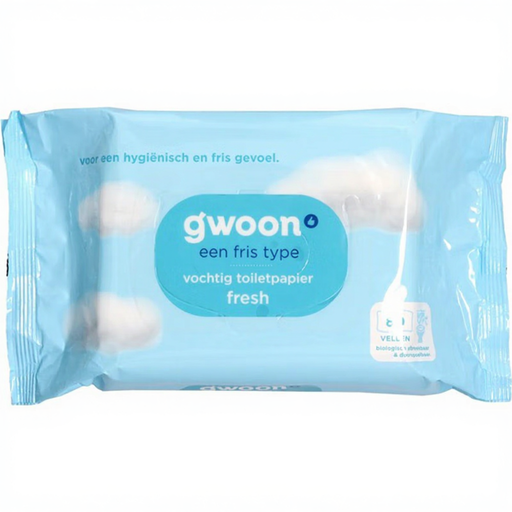
Why this fits the profile: A simple pack of 80 wipes for anyone wanting to try moist toilet paper first, without needing a flushable option.
The product information clearly states that you should not flush the wipes. This makes the usage limitation clear from the outset.
80 sheets, containing among other things glycerine, aloe vera and chamomile water according to the ingredients list.
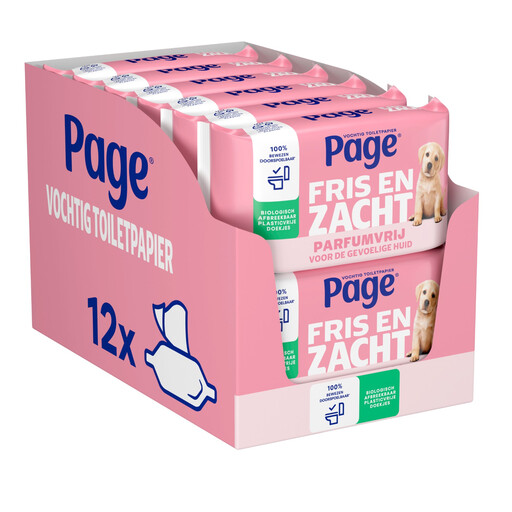
Why this fits the profile: Suitable for households looking for a perfume-free multipack for regular use.
The product description states no perfume, pH-skin-neutrality and a dermatological test. This makes comparison easier, without suggesting a universal skin guarantee.
456 wipes in 12 packs; according to the product information, plastic-free, biodegradable and flushable.
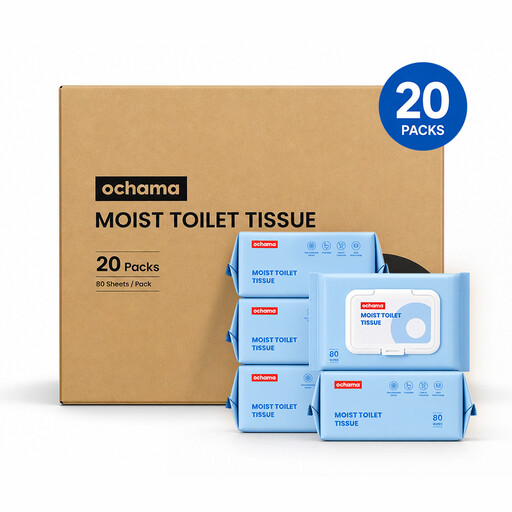
Why this fits the profile: A large supply for families or households with high daily usage.
The packaging states 20 packs of 80 wipes. It also mentions that you should flush small amounts to minimise blockages.
A total of 1,600 wipes; 80 per pack. The composition lists wood pulp, water and a polar flower essence.
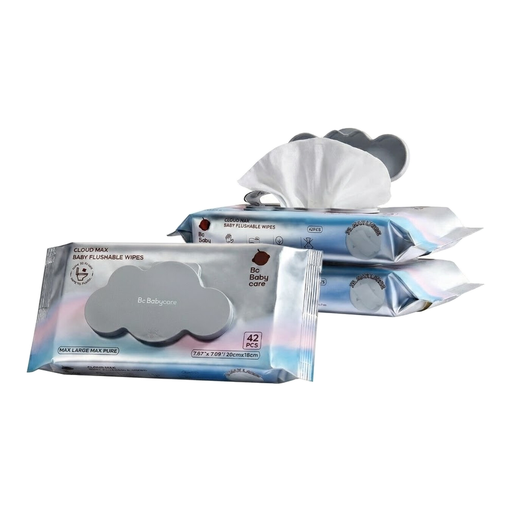
Why this fits the profile: The product description focuses on use by children and adults, including during potty training.
According to the product description, the wipes are fragrance-free, dye-free and made from plant-based fibres. The instructions specify one wipe per flush.
3 packs of 42 wipes; according to the product information, extra large, with 99% water and no perfume, parabens or dyes.
We've put together a full, up-to-date list of products that fully meet these strict selection criteria and current European safety regulations.
No. Check the packaging and usage instructions. Some moist toilet wipes are explicitly not flushable. For products that the manufacturer says are flushable, one wipe at a time is a cautious guideline. Paper towels, ordinary cleaning wipes and other non-flushable materials belong in the waste bin.
Close the lid or resealable packaging immediately after use. Store the pack in a cool, dry place, away from direct sunlight and heat. A bulk pack of toilet wipes is best divided between the places where you actually use them, as long as each pack stays properly sealed.
No. Perfume-free only means that no perfume has been added according to the product information. Other ingredients can still cause irritation for some people. Test a new product carefully, follow the warnings and stop using it if redness or discomfort occurs.
