
Vandaag of morgen in huis

Kwaliteit gegarandeerd

Welkomstaanbiedingen ontgrendelen: GRATIS bezorging | Tot 80% korting | Gratis 30 dagen JoyPlus-proefperiode
Download de app
A modular motorcycle helmet with a sun visor combines the protection of a full-face helmet with the practicality of a flip-up helmet. This makes it a good option for commuting, scooter rides and longer journeys in changeable weather. However, helmets described using the same product terms won’t necessarily suit your head, riding style or needs.
The main pitfalls usually lie in the details, not the appearance.
A product description may state that a helmet has ECE R 22.06 approval, but that doesn’t automatically mean it will fit your head properly. A helmet that’s too loose may shift while you’re riding. One that’s too tight can quickly become uncomfortable.
Always check:
A motorcycle helmet with an integrated sun visor can be handy when the sun is low. The internal visor is stored inside the helmet and can be operated while you’re riding. With a dual-visor motorcycle helmet, check that the outer visor remains clear and that there’s enough room behind the sun visor for your face or glasses.
Also pay attention to how UV claims are worded. According to the MY-935 product description, the dual visor is described as offering protection against 99% of UV radiation. Treat this as a product specification in the listing, and check the latest information and markings before you order.
A matte black or titanium-coloured motorcycle helmet may look appealing, but colour tells you little about comfort, ventilation or care. Check the lining, fastening, weight and space for an intercom too. If you wear a helmet every day, it needs to remain practical on longer rides.
For a motorcycle helmet with ECE 22.06, the marking refers to European type approval for helmets. When buying, check that the certification information clearly relates to the model. Also look for the approval label on the helmet and the information on the product packaging.
Certification is an important factor when choosing a helmet, but it doesn’t replace a proper fit check. An approved helmet still needs to fit correctly and be used according to the instructions.
According to the product information, the models mentioned have a hard ABS shell and an inner layer of dense EPS foam. ABS is a commonly used plastic for helmet shells. EPS is used as a cushioning material on the inside.
Keep material information separate from performance claims. The product description says the EPS layer absorbs impacts, but the level of protection also depends on factors such as fit, fastening the helmet correctly and how it’s used. Replace a helmet after a hard impact, even if there’s no obvious damage on the outside.
A motorcycle helmet with a removable lining is easier to keep clean. This is especially useful if you wear your helmet regularly for commuting. According to the product description, the MY-936 comes with a removable, washable inner lining.
According to its product information, the MY-935 has a dedicated space for a Bluetooth headset beneath the chin pads on both sides. This means it’s prepared for an intercom, but the headset itself isn’t included. Check the dimensions of your intercom and the available space before fitting it.
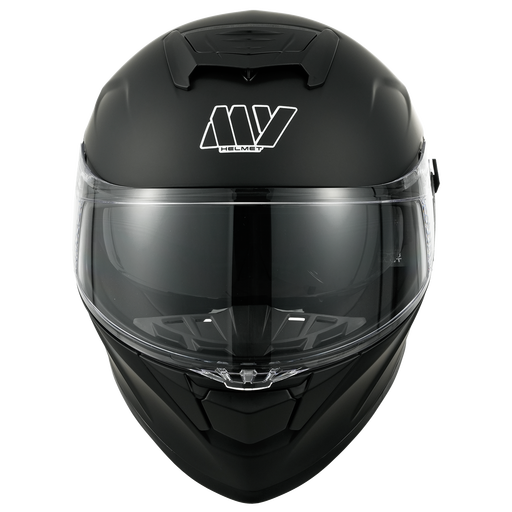
Why it suits this profile: This model is aimed at riders looking for a straightforward modular helmet for everyday use, with an integrated sun visor and a size range that includes a head circumference of 57-58 cm in size M.
The product information lists ECE R 22.06, ABS and an integrated sun visor. Make sure you check the approval marking and fit for yourself before wearing the helmet.
Integrated sun visor, matte finish and a removable, washable lining according to the product description.
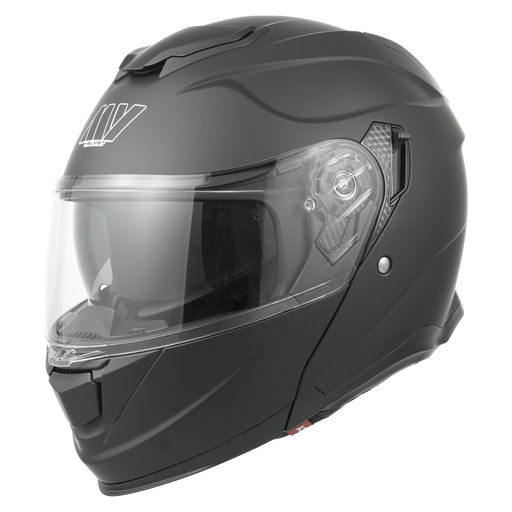
Why it suits this profile: A good fit for motorcyclists who value a dual-visor setup, ECE 22.06 information and intercom compatibility. According to the product details, size XL is designed for a head circumference of 61-62 cm.
The listing specifies ECE R 22.06, an ABS shell and a dual visor. The separate sun visor means you don’t need to change the outer visor every time the light changes.
Dual visor, a Bluetooth headset slot beneath the chin pads and an inner lining that, according to the description, offers comfort on longer rides.
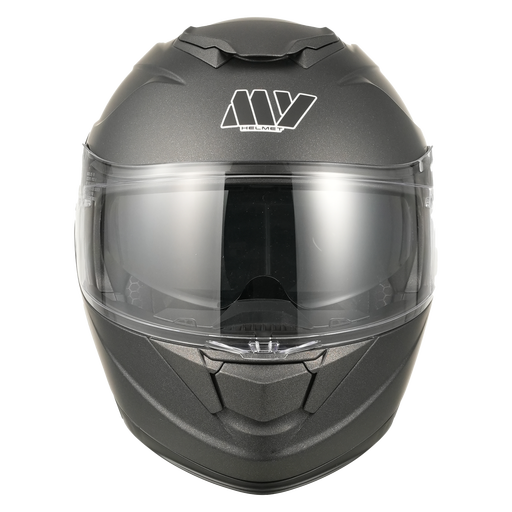
Why it suits this profile: A practical choice for frequent rides where sunlight, communication and easy care matter. According to the product information, size L is designed for a head circumference of 59-60 cm.
The dual visor and intercom compatibility mean you’ll need fewer separate accessories. Before buying, check that your communication system will fit in the space provided.
Matte titanium colour, dual visor and an ABS shell with an EPS inner layer, as specified.
Measure your head with a soft tape measure, keeping it horizontal across your forehead and above your ears. Compare the measurement with the size chart for your chosen model. Note that sizing for the MY-935 and MY-936 isn’t exactly the same:
A new helmet should feel snug at first. The cheek pads may mould slightly over time, but pressure points on your forehead or temples are a sign that you may need to try a different size or fit. Also check that the chin strap fastens securely and follow the instructions provided.
We’ve put together a complete, up-to-date list of products that meet these strict selection criteria and the applicable European safety regulations.
Yes, especially if you regularly ride between shaded areas and bright sunlight. You won’t need to keep using separate sunglasses or changing your visor. Do check that the sun visor is easy to operate and doesn’t obstruct your vision.
Its lifespan depends on how often you wear it, how well you maintain and store it, and whether it has taken an impact. Replace a helmet after a collision or hard fall. Also check the fastening, visors, lining and outer shell regularly for signs of wear.
No. Some models have space for a headset or are prepared for one, as the MY-935 is according to its product description. Always check the dimensions, mounting method and space around the chin pads before buying an intercom.
