
Vandaag of morgen in huis

Kwaliteit gegarandeerd

Welkomstaanbiedingen ontgrendelen: GRATIS bezorging | Tot 80% korting | Gratis 30 dagen JoyPlus-proefperiode
Download de app
A modular motorcycle helmet with ECE 22.06 approval combines the protection of a full-face helmet with the convenience of a flip-up chin bar. It’s useful for commuting, a quick stop or a long tour. However, a flip-up helmet can disappoint if you focus mainly on price, appearance or vague marketing claims.
The most common buying mistakes are:
ECE R 22.06 is a European type approval standard for motorcycle helmets. It covers impact tests, the visor, the chin bar and various impact scenarios. When buying, don’t just rely on the wording in the title. Also check:
The product information for the MY 935 and MY 936 models states ECE R 22.06. This information comes from the product listing; always check the markings on the helmet when it arrives and follow the instructions for use.
A full-face helmet with ECE 22.06 approval usually has a fixed chin bar. A modular motorcycle helmet with a flip-up chin bar offers greater freedom of movement, but you must always use the mechanism fully and in accordance with the instructions.
Use a soft tape measure around your head, about two centimetres above your eyebrows and ears. Keep the tape level. Compare the measurement with the size chart for the specific model.
According to the product information, the MY 935 is available in:
The following size ranges are listed for the MY 936:
Sizing therefore varies between models. The fact that sizes from S to XXL are available doesn’t mean they’ll all fit in the same way. When trying on a helmet, the lining should fit firmly against your cheeks and forehead. The helmet shouldn’t move from side to side when you move your head.
A motorcycle helmet with a sun visor is handy in changeable weather. According to the product description, the MY 936 has an integrated internal sun visor. A dual-visor motorcycle helmet such as the MY 935 has a clear outer visor and an additional visor for bright light. According to the brand’s own information, this system blocks 99% of UV radiation. Treat this as a brand claim and check the current product specifications.
Also look out for:
An ABS motorcycle helmet can be a practical choice of material, but the material alone won’t determine whether a helmet fits your head well. Consider the overall combination of approval, construction, fastening, visor and fit.
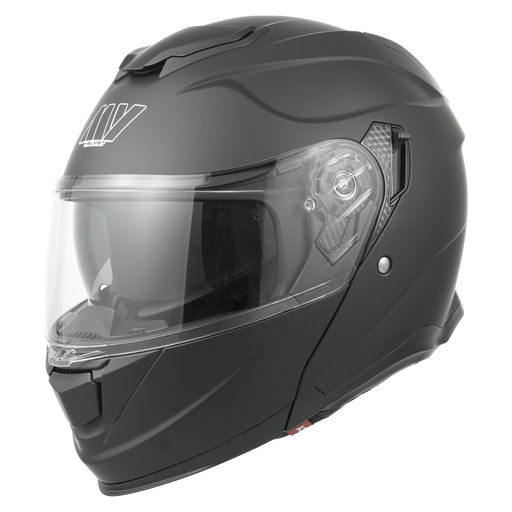
Why it suits this rider: This version is a good fit for riders looking for one modular helmet for commuting and longer trips, with the option of a clear visor and an internal visor.
The product listing specifies ECE R 22.06, ABS, EPS and a size range. This lets you check the key details in advance, rather than judging by appearance alone.
Dual visor, ABS shell, EPS inner layer and a listed space beneath the cheek pads for a headset.
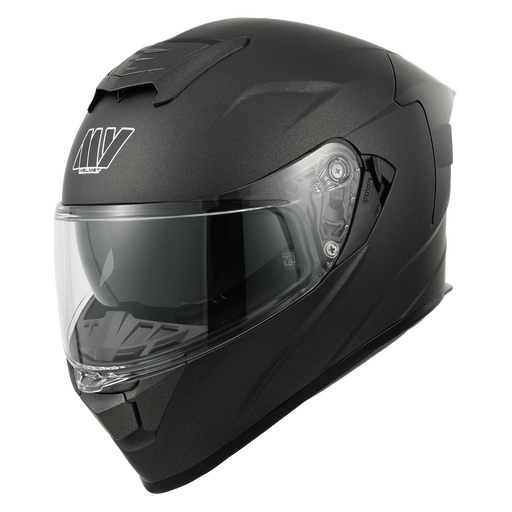
Why it suits this rider: Suitable for adult men and women who value comfort, easy maintenance and an integrated sun visor above all.
Size M corresponds to 57–58 cm, and the product description specifies an oval shape. Measure your head first and check whether that shape matches your experience of helmet fit.
Integrated sun visor, removable and washable lining, ABS shell and ECE R 22.06 listed.
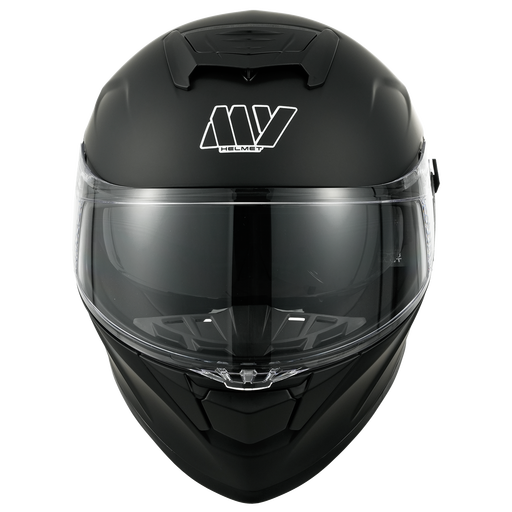
Why it suits this rider: An option for riders with a head circumference of 61–62 cm who take long trips and appreciate a washable inner lining.
Size XXL is specifically matched to 61–62 cm. This helps you avoid choosing a large size without comparing your head circumference with the size chart.
Integrated sun visor, washable lining, ABS construction and availability for a larger head circumference.
We’ve put together a complete, up-to-date list of products that meet these strict selection criteria and current European safety regulations.
Its lifespan depends on use, storage, maintenance and any impact it may have sustained. Replace a helmet after a fall or hard impact, even if there’s little visible damage on the outside. Also check the EPS layer, fastening, chin bar, visors and lining regularly. Always follow the manufacturer’s instructions for replacement and maintenance.
That depends on the approval and instructions for the specific model. A modular helmet isn’t automatically approved for every riding position with the chin bar open. Check the product documentation and the markings on the helmet. While riding, the chin bar should be locked in place in accordance with the regulations, unless the helmet has separate approval for riding with it open.
A dual visor doesn’t involve any regular extra running costs. However, visors can become scratched over time and may need replacing. Clean them with a soft cloth and a suitable product, avoiding abrasive cleaners. If your helmet has an integrated sun visor, it’s a good idea to keep the mechanism free of dust and sand.
