
Vandaag of morgen in huis

Kwaliteit gegarandeerd

Welkomstaanbiedingen ontgrendelen: GRATIS bezorging | Tot 80% korting | Gratis 30 dagen JoyPlus-proefperiode
Download de app
A modular motorcycle helmet with an ECE 22.06 sun visor combines the protection of a full-face helmet with the convenience of a flip-up chin bar. This makes it a good option for commuting, scooter rides and longer trips. However, choosing the wrong helmet could leave you with one that feels tight, too heavy or less practical than you expected.
So don’t focus only on colour and price. Check the safety standard, fit, visor set-up and care requirements in particular. Below, we run through the key things to consider and match a few models to different riding needs.
A product listing that only says “ECE” tells you less than one that specifically states ECE R 22.06. Check which standard is named and look at the helmet label and documentation. The product listings for the MY 935 and MY 936 specify ECE R 22.06.
A certification statement also doesn’t automatically mean the fit will work for every head shape. The helmet still needs to sit securely and evenly.
With a motorcycle helmet with an integrated sun visor, the tinted visor sits inside the helmet. This is handy in changeable light, but it doesn’t always do the same job as the clear outer visor. If you choose a dual-visor model, check how each visor is operated and whether the mechanism works smoothly.
According to the MY 935 product description, the dual visor is designed to protect the eyes from sunlight and offers 99% UV protection. This is a claim made in the product information, not a general guarantee for every riding situation.
Motorcycle helmet sizes M, L, XL and XXL are based on head circumference, not your usual clothing size. A helmet that’s too loose could move around while you ride. One that’s too tight could cause pressure points after a short time.
Measure around the widest part of your head with a flexible tape measure, just above your eyebrows and ears. Then check the size chart for the specific model. The MY 935 and MY 936 use different sizing.
ECE R 22.06 is the current European type-approval standard listed in the product information for these models. When buying, look for a clear statement of the standard, the approval label and the instructions supplied with the helmet. The term “ABS motorcycle helmet” refers to the outer shell material. ABS is a widely used thermoplastic, but the material alone doesn’t determine how a helmet will perform in every situation.
The MY 935 and MY 936 are described as having an ABS shell, an EPS inner liner and a buckle fastening. Before use, check that the fastening is adjusted correctly and that the chin bar locks into place as described in the manual.
A flip-up motorcycle helmet or flip-front helmet is handy when making a quick stop, filling up or speaking to someone beside your bike. However, the flip-up chin bar adds moving parts. So check:
Don’t use the helmet if a fastening, visor or locking mechanism is damaged. Replace a helmet after a heavy impact, even if there’s little visible damage on the outside.
The MY 936 product description mentions a removable, washable inner lining. This is handy for regular use and cleaning. The MY 935 is described as having a comfortable inner lining and space beneath the chin pads for a Bluetooth intercom.
An oval shape is listed as a specification for both models. This is a guide, not a guarantee that the shape will suit every head. Wear the helmet indoors for a few minutes before making your decision. The lining should fit closely, but it shouldn’t cause sharp pressure points.
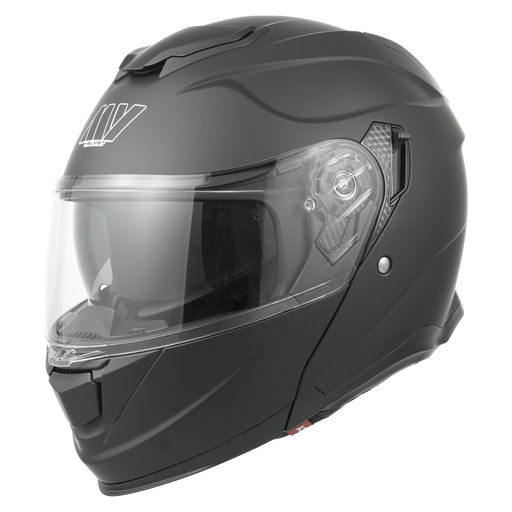
Why it suits this rider: This model has a flip-up design and dual-visor set-up. According to the product information, size M fits a head circumference of 57–58 cm.
The product listing clearly states ECE R 22.06, the shell material and the available head sizes. This makes it easier to compare the key details before you buy.
ABS shell, EPS inner liner, dual visors and space for a Bluetooth intercom.
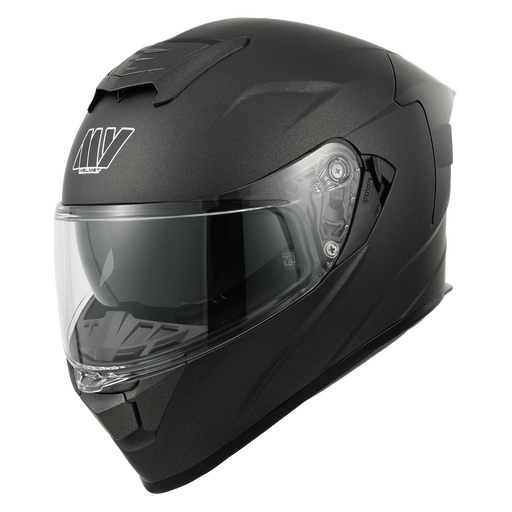
Why it suits this rider: The integrated sun visor is handy for everyday riding in changeable light, without the need to carry a separate sun visor.
The product details clearly explain the difference between the clear outer visor and the integrated inner visor. Still, check how it works and how the helmet fits before buying.
ECE R 22.06 according to the product listing, ABS shell, integrated sun visor and removable, washable lining.
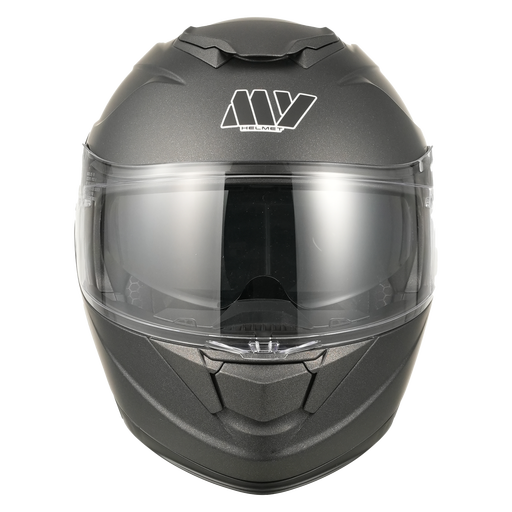
Why it suits this rider: For regular commutes or longer trips, a dual visor, space for an intercom and the right fit can all make a difference.
According to the product information, size XL fits a head circumference of 61–62 cm. This helps you avoid choosing a size based on the letter alone.
Dual visors, ABS shell, EPS inner liner and space for a Bluetooth headset beneath the chin pads.
We’ve put together a complete, up-to-date list of products that meet these strict selection criteria and current European safety requirements.
Yes, the standard is an important thing to check. Don’t just look for the words “ECE certified”; make sure the product information specifically mentions ECE R 22.06. Also check the approval label and the manual for the model you’re considering.
Measure your head circumference with a flexible tape measure and compare the result with the model’s size chart. According to the product information, size M in the MY 936 fits a head circumference of 57–58 cm. The same size M in the MY 935 has the same fit, but size XL fits 61–62 cm. Sizing therefore varies between models.
Replace your helmet after a heavy impact or if the shell, fastening, lining or visor is damaged. An old or heavily worn inner lining can also affect the fit. Regularly check the flip-up mechanism, chin strap and visor lock.
