
Vandaag of morgen in huis

Kwaliteit gegarandeerd

Welkomstaanbiedingen ontgrendelen: GRATIS bezorging | Tot 80% korting | Gratis 30 dagen JoyPlus-proefperiode
Download de app
Modern lighting for your home needs to do more than simply brighten a room. The right lamp supports your everyday activities, complements your interior and gives you control over the ambience and brightness. Yet many people choose a lamp based on looks alone. The result? A ceiling light that’s too bright, a pendant that doesn’t fit above the dining table or a floor lamp that’s less stable than expected.
With this guide, you can compare lighting for your living room, bedroom, hallway, bathroom and outdoor space using verifiable specifications. That makes it easier to find a ceiling light, table lamp, LED lamp or ambient light to suit your needs.
A crystal lamp or black pendant may look great in an online shop, but its dimensions determine whether it will work in your room. Always check:
For example, a lamp that’s 150 to 180 cm tall needs enough space beside a sofa or cupboard. Measure the area beforehand, including the skirting board, socket and furniture.
A dimmable lamp lets you adjust its brightness, but it isn’t automatically smart lighting. Some models have a built-in dimmer, others use a remote control, while some need an external wall dimmer. So check how the controls work.
A remote-controlled lamp can be useful in the bedroom or living room. If you’re choosing a lamp with integrated LED lighting, it’s also important to check whether the light source can be replaced. On various models, the LED module is built in and can’t be replaced by the user.
The IP rating matters for bathrooms, balconies and gardens. IP20 is intended for dry indoor spaces. IP44 provides protection against splashing water, but that doesn’t mean the lamp is waterproof. A lamp rated IP44 must not be submerged or exposed to direct jets of water.
For outdoor lighting, also check that the lamp stands securely, how its battery is charged and whether its solar panel gets enough daylight.
Colour temperature is measured in kelvins:
A lamp with adjustable colour temperature is useful when a room serves more than one purpose. In the living room, you can use warm light to relax and brighter light when you’re reading or working.
Lumens tell you how much light a lamp produces. Wattage mainly tells you how much electrical power it uses. So don’t compare lamps by wattage alone. For example, one Philips ceiling light in our selection has a rating of 24 W and a stated light output of 2400 lumens.
A lower wattage doesn’t automatically mean a lamp won’t provide enough light. Consider its light output, the size of the room and whether the light is distributed directly or indirectly.
With a lamp that has an E27 or E14 fitting, you can choose a suitable LED bulb. Check the maximum wattage and the bulb’s dimensions. With integrated LED lighting, the light source and fitting are one unit. This often gives the lamp a sleek design, but it also means you’ll need to replace the entire lamp when the LED module reaches the end of its service life.
Also consider installation. A ceiling light is only safe to use if the ceiling, mounting and wiring are suitable. Switch off the power before fitting it and follow local electrical regulations.
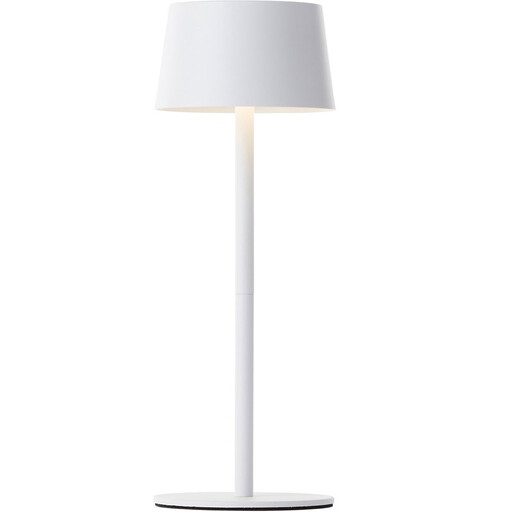
Why it suits this profile: This compact solar table lamp needs no fixed installation and can be placed indoors or outdoors. USB charging is useful when there isn’t much sunlight.
The specifications state 170 lumens, 3000K, three dimming settings and IP44. This means you can check the light colour, controls and splash protection before you buy.
Integrated LED, solar or USB charging, metal casing and a compact size of 11,5 × 11,5 × 8,5 cm.
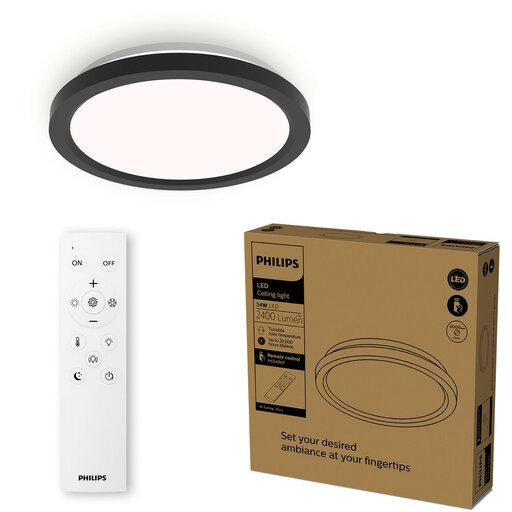
Why it suits this profile: This ceiling light is ideal if you want one fitting for general lighting, relaxing and working from home. The included remote control lets you adjust the settings from anywhere in the room.
The product information lists three light settings, dimmability and a range from 2700K to 6500K. That gives you more control than a lamp with just one fixed light colour.
2400 lumens, a round shape with a diameter of 30 cm, adjustable colour temperature and control via a wall switch or remote control.
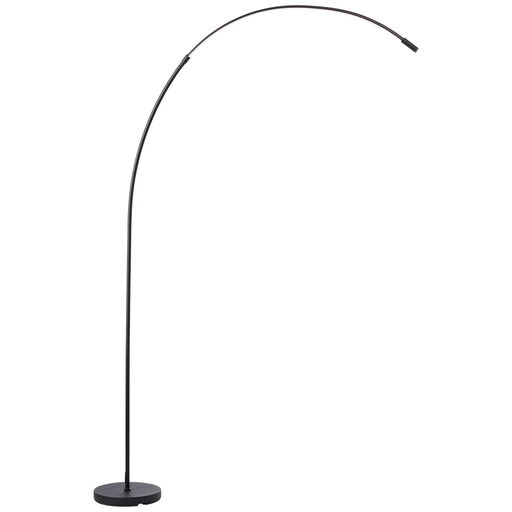
Why it suits this profile: This tall floor lamp arches over a seating area, making it a good choice for a living room without a ceiling light point above the sofa.
The lamp has a stated height of 179 cm, a cable approximately 2,28 m long and an IP20 rating. This lets you check in advance whether it will suit the space and intended position.
1300 lumens, adjustable colour temperature from 3000K to 6500K, touch dimmer and integrated LED lighting.
We’ve put together a complete, up-to-date list of products that meet these strict selection criteria and the applicable European safety regulations.
Combine general lighting, task lighting and ambient lighting. A ceiling light provides the main light source, while a floor lamp, table lamp or LED strip can brighten specific areas. Choose warm white light of around 2700K to 3000K if you mainly use your living room to relax.
A dimmable lamp doesn’t automatically use less electricity in every situation. Lowering the brightness can reduce energy use, but it depends on the type of lamp and the setting you choose. Check the wattage, how long it will be used and its energy label. For example, the Viani lamp has a power rating of 2 W and an integrated battery, while the Philips ceiling light is rated at 24 W.
Start by checking the IP rating and installation instructions. IP44 is suitable for applications where splashing may occur, such as certain outdoor areas, but not for submersion. Lamps rated IP20 are intended for dry spaces and shouldn’t be used in damp environments. For fixed bathroom lighting, always check the applicable safety zones and make sure electrical installation follows local regulations.
