
Vandaag of morgen in huis

Kwaliteit gegarandeerd

Welkomstaanbiedingen ontgrendelen: GRATIS bezorging | Tot 80% korting | Gratis 30 dagen JoyPlus-proefperiode
Download de app
If you’re looking for mobility aids for older people and adults, you’ll soon find a wide range to choose from: from folding and electric wheelchairs to rollators with seats, walking aids for older people and adjustable braces. The right choice depends on more than just the price. Dimensions, weight capacity, where you’ll use it and how you’ll transport it all affect how comfortable and safe an aid is in everyday use.
Look out for these common pitfalls:
Always check the maximum user weight and compare it with the user’s body weight, including any clothing or luggage. A rollator with a seat, for example, may have a weight capacity of 136 kg or 150 kg, but the seat and shopping bag may each have separate limits.
When choosing a wheelchair, check:
A manual wheelchair is suitable when someone is available to push it, or when the user can propel themselves using the large rear wheels. A transit wheelchair with small wheels is often more compact, but usually requires an attendant.
For travel, public transport or carrying in the boot of a car, a folding wheelchair, folding rollator or compact transit model can be practical. Before you buy, check:
An aluminium model isn’t automatically suitable for every situation. Wheel size, frame construction and maximum load also matter. A heavier steel frame, for example, may support more weight, while an aluminium model may be easier to move.
For indoor and outdoor mobility, wheel size and surface matter. Smaller wheels are often easy to manoeuvre indoors, while larger wheels cope better with thresholds and uneven paving. That doesn’t mean every model is suitable for sand, gravel or wet slopes.
Also check:
Always follow the instructions. Don’t use an electric wheelchair on stairs, and take slopes slowly and straight on. When outdoors, you must also follow Dutch road rules and local regulations.
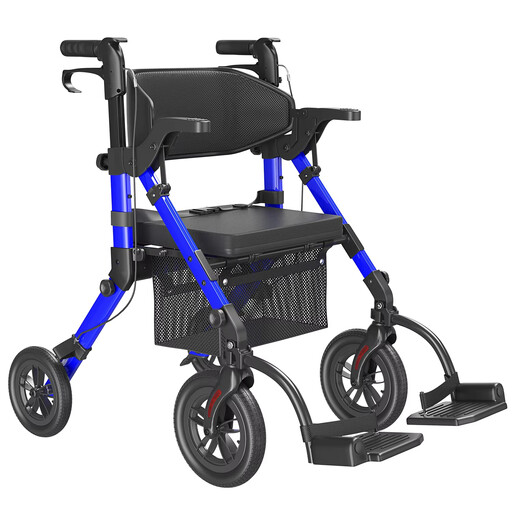
Why it suits this profile: This walking aid combines support while walking with a seat for short breaks, both indoors and outdoors.
The product information gives specific wheel sizes, folded dimensions and a weight capacity of 136 kg, making it easier to compare.
10-inch front wheels, 8-inch rear wheels, a folding design and a stated maximum load of 136 kg.
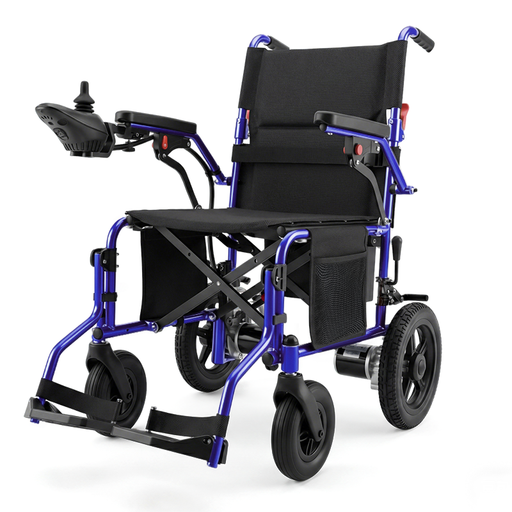
Why it suits this profile: An electric wheelchair may suit adults who can’t manage longer distances independently in a manual model but are still looking for a folding design.
The detailed specifications list a net weight of 23,45 kg, dual motors, a speed of 6 km/u and packed dimensions of 690 × 315 × 755 mm. Before buying, check that these suit your transport and storage needs.
Folding steel frame, dual drive and a stated top speed of 6 km/u. The product title lists 13 Ah and 15 miles; compare these with the current product specifications.
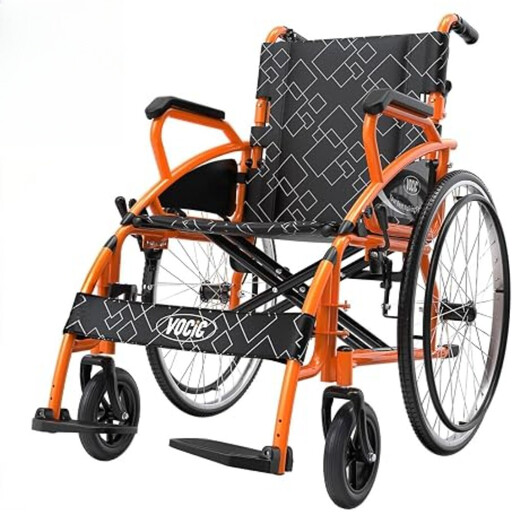
Why it suits this profile: This model is designed for use with an attendant, days out and situations where powered assistance isn’t needed.
The specifications clearly state a weight of 17,5 kg, folded dimensions of 90 × 30 × 75 cm and a maximum load of 136 kg.
Left-to-right folding mechanism, 42 cm seat width, handbrake and steel frame.
We’ve put together a complete, up-to-date list of products that meet these strict selection criteria and the applicable European safety regulations.
A brace isn’t a substitute for an assessment by a doctor or physiotherapist, but according to the product information, it can be used for support. With a copper knee brace, getting the right size matters: the Lucovitaal brace adjusts from XS to XXL and, according to the product description, is made from polyester, spandex and copper. Lucovitaal’s own information says the product is intended to provide support and protection; these claims don’t guarantee a specific result.
A copper back brace also has adjustable fastenings. Check that the brace doesn’t dig in, follow the instructions and stop using it if you experience irritation or worsening symptoms. If you have persistent pain or are recovering from a procedure, seek advice from a healthcare professional first.
A compact folding rollator or walking aid is often practical for narrow corridors and rooms. Measure doorways, turning spaces and available storage before you order. A wheelchair also needs enough room for the footrests and safe manoeuvring.
How long it lasts depends on the battery type, charging habits, weight, surface and outdoor temperature. The stated range is a product specification based on certain conditions, not a fixed guarantee for every user. Charge the battery according to the instructions and store the wheelchair in a dry place.
In addition to the purchase price, allow for the electricity needed to charge it, possible battery maintenance and wear to the tyres or brake components. Before buying, ask which parts can be replaced and check whether the charger, battery and instructions are included.
