
Vandaag of morgen in huis

Kwaliteit gegarandeerd

Welkomstaanbiedingen ontgrendelen: GRATIS bezorging | Tot 80% korting | Gratis 30 dagen JoyPlus-proefperiode
Download de app
A MIPS cycling helmet for adults may seem straightforward to choose at first glance. However, models vary considerably in fit, ventilation, intended use and protection. A road cycling helmet is not automatically suitable for a mountain biker, and a helmet with plenty of marketing claims will not necessarily fit your head properly.
For cyclists in the Netherlands, three things are particularly important: the helmet must fit correctly, be suitable for your cycling discipline and include verifiable safety information. Below, you’ll find what to look for and which models suit different riding situations.
MIPS is a system with a layer that, according to the product description, is designed to potentially limit the transfer of rotational forces to the head during certain angled impacts. This does not mean that a helmet protects against every accident. Fit, fastening the chin strap and replacing a damaged helmet remain at least as important.
Also check whether the product page provides clear information about the materials, size and intended use. A label such as “MIPS” without further specifications says little about ventilation or comfort.
An adjustable cycling helmet can fine-tune the fit, but a shell that is too small or too large will not become suitable simply by tightening the rear dial as far as possible. First, measure the circumference of your head with a tape measure, approximately 2 cm above your eyebrows.
When choosing cycling helmet size M and L, pay close attention to the stated measurement in centimetres. Fits vary between brands and models. The helmet should sit securely without pressure points and must not slide forwards or backwards when you move your head.
A ventilated cycling helmet can be more comfortable on longer rides, but the number of ventilation openings does not determine the helmet’s quality on its own. Also consider the inner padding, adjustability and how a visor or glasses are attached.
A cycling helmet with visor is useful in bright light, wind or when riding through splashing dirt. A detachable visor offers flexibility, but check that it is firmly attached and does not obstruct your vision.
The selected OutdoorMaster models use different combinations:
Always check the official label and product information. For cycling helmets in Europe, EN 1078 is an important standard to look out for. A CE mark must also be applied correctly to the product or packaging. Do not rely solely on a model name or general terms such as “safe” and “impact-resistant”.
An adjustable cycling helmet usually has a dial at the rear and an adjustable chin strap. The OutdoorMaster Gem models come with two removable liners of different thicknesses. This allows you to fine-tune the position and comfort further.
You can recognise a good fit by the following points:
A lightweight cycling helmet is particularly comfortable for commuting, road cycling and longer leisure rides. According to the product description, the Gem helmet has 25 ventilation openings and a detachable visor. The Rhino full-face model has 27 ventilation channels and weighs less than 750 grams according to the stated specification.
Choose a road cycling helmet with MIPS for paved roads and speed, a mountain bike helmet for off-road terrain, and a full-face model for downhill, BMX or intensive mountain biking. A full-face helmet covers more of the face, but is warmer and heavier than an open adult cycling helmet.

Why it suits this profile: This size M is designed for recreational cycling, commuting, BMX and light mountain biking. The combination of a rear dial and two liners gives beginners more ways to adjust the fit.
The fit does not rely on a single adjustment strap: there are two removable liners and a dial fit system.
MIPS system according to the product description, 25 ventilation openings, detachable visor and two liners.

Why it suits this profile: This model is suited to adults who regularly ride a road bike and value a streamlined design with an adjustable fit and good ventilation.
The product description specifically mentions a polycarbonate shell, EPS inner layer, MIPS, rear dial and ventilation instead of relying solely on general advertising claims.
Adjustable system, breathable construction and suitable for road bikes and commutes; available in size L.
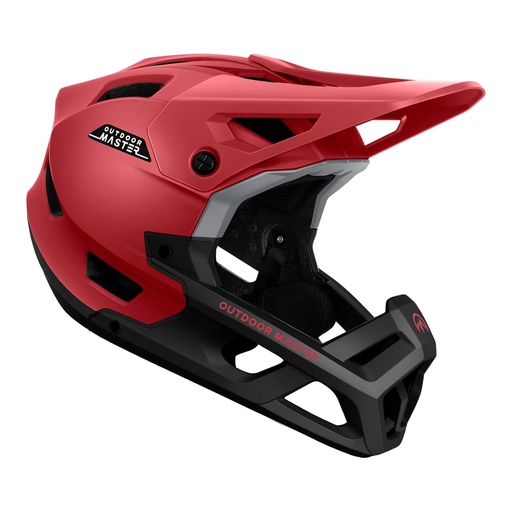
Why it suits this profile: This is a full-face mountain bike helmet for downhill, BMX and intensive mountain biking. The design also covers the chin, so it is not intended to be a lightweight urban helmet.
The choice is tailored to intensive off-road riding: 27 ventilation channels, D-ring adjustment and a rotating visor are specifically listed.
ABS outer shell, EPP inner liner, removable washable liner and a weight of less than 750 grams according to the product information.
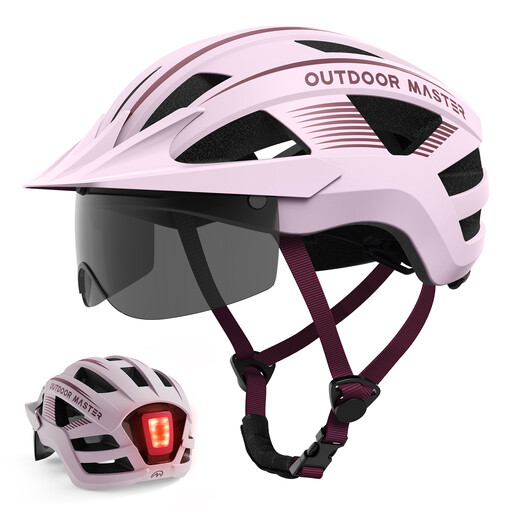
Why it suits this profile: This adult cycling helmet is designed for urban riding, e-bikes, mountain biking and commuting. The integrated rear light and detachable goggles are practical in changing conditions.
The accessories are clearly described: 17 ventilation openings, a rechargeable rear light, goggles and a detachable visor.
Adjustable rear dial, size L for 58–61 cm and, according to the product description, CPSC and ASTM certification.
We’ve put together a complete, up-to-date list of products that fully meet these strict selection criteria and the applicable European safety regulations.
Place the helmet level on your head and adjust the rear dial first. The helmet should fit securely without creating painful pressure. Then fasten the chin strap; there should be approximately one to two fingers’ space beneath your chin. Check that the straps lie flat around your ears and are not twisted.
Do not use additional hard accessories, drill holes or remove any original components. Clean the helmet and liners according to the product instructions, usually with mild soap and water. Allow everything to air-dry and avoid harsh cleaning products.
For ordinary cyclists, wearing a cycling helmet is generally not compulsory in the Netherlands. However, specific legal requirements apply to speed pedelecs. If you use a speed pedelec, check that the helmet you choose complies with the relevant regulations. For standard bicycles and e-bikes, a well-fitting helmet remains a personal safety choice.
Replace a helmet immediately after a collision or heavy impact, even if there is no visible damage. Also regularly inspect the shell, liner, fastening and straps. If you notice cracks, loose components or heavily worn padding, replacing the helmet is advisable. Follow the manufacturer’s guidance on service life.
That depends on the model and how you use it. A detachable visor is useful in sunshine, wind and dirty conditions, but may be unnecessary for road cycling or everyday urban riding. Check that the visor is securely attached, does not restrict your vision and works well with cycling glasses.
