
Vandaag of morgen in huis

Kwaliteit gegarandeerd

Welkomstaanbiedingen ontgrendelen: GRATIS bezorging | Tot 80% korting | Gratis 30 dagen JoyPlus-proefperiode
Download de app
A MIPS cycling helmet for adults can be a sensible choice for road cycling, commuting or recreational riding. However, a striking product name does not automatically mean that a helmet is right for your head, how you use it or your riding style. The fit, product information and correct size are at least as important as the MIPS label.
Many buyers encounter the same problems:
Measure your head circumference with a flexible tape measure, approximately one to two centimetres above your eyebrows. Keep the tape horizontal and compare the result with the manufacturer’s size range.
An adjustable cycling helmet usually has a dial at the back and an adjustable chin strap. Adjust the rear fit first, then fasten the chin strap. The helmet should sit securely without creating pressure points. The front edge usually sits a few centimetres above the eyebrows; do not wear the helmet tilted too far backwards.
When choosing a cycling helmet for adults, also check:
MIPS stands for a low-friction layer inside the helmet. According to the product descriptions of the OutdoorMaster models mentioned, this layer is intended to limit the transfer of rotational forces in certain angled impacts. This is not a medical claim, nor is it a promise that injury will be prevented.
Also consider the construction. The OutdoorMaster helmets in this selection, for example, use a polycarbonate outer shell with an EPS inner layer. Polycarbonate is a hard outer shell; EPS is foam that can absorb impact energy. According to the safety information, a helmet involved in an accident should be replaced, even if there is no visible damage.
Also check whether the product clearly states European conformity and the relevant cycling helmet standard, such as EN 1078, where applicable to the model in question. Is this not clearly stated in the product information? Ask before placing your order. A claim such as “safe” is not, by itself, a verifiable specification.
A lightweight cycling helmet is particularly comfortable on longer rides. However, weight is not the only factor. A good combination of ventilation, padding and fit determines how comfortable the helmet remains.
For commuting, ventilation and easy adjustment are often more important than an overtly aerodynamic racing shape. Road cyclists may prefer a streamlined model with enough vents. For mountain biking, extra coverage at the rear, a visor and a secure fastening system are often more practical.
A MIPS road cycling helmet is not automatically suitable for downhill or BMX riding. For intensive mountain biking, a full-face model with a chin guard may be a better fit for your needs. Always check which protection systems are actually listed in the product description.

Why it suits this profile: According to the product description, this model is intended for road cycling, commuting and other outdoor rides for adults. The black colour is easy to pair with everyday cycling clothing.
The description mentions a MIPS system, adjustable dial and straps. Before buying, make sure size L fits your head circumference.
MIPS according to the product specification, adjustable fit and ventilation openings for everyday use.
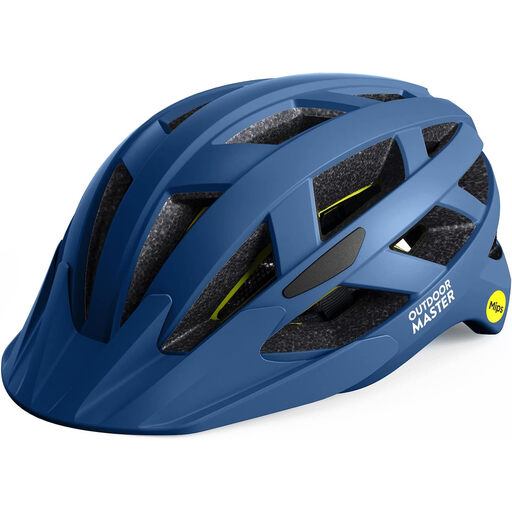
Why it suits this profile: The combination of MIPS, dial adjustment and two removable pads makes this model suitable for cyclists who want to fine-tune the fit for road cycling, city riding, BMX or recreational mountain biking.
The fit can be adjusted using two pads of different thicknesses and a dial-fit system. This means you do not have to rely solely on a general size designation.
25 ventilation openings, removable visor, PC outer shell, EPS inner layer and MIPS according to the product description.
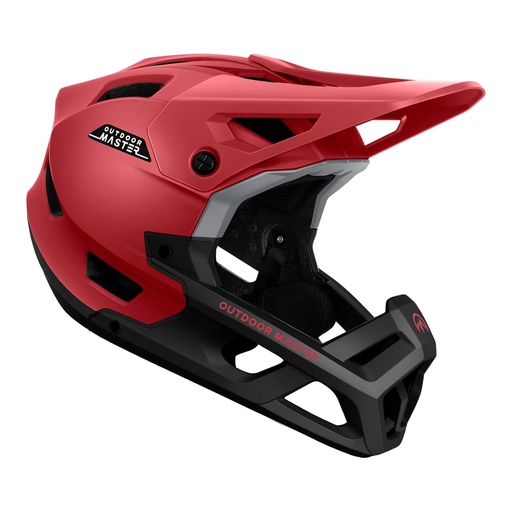
Why it suits this profile: For downhill, BMX and intensive mountain biking, a full-face design with a chin guard and extra coverage may be better suited to the activity than an open road cycling helmet. This model is not described as a MIPS model.
The product information clearly identifies the intended uses, chin guard and D-ring adjustment. This makes the difference from an ordinary cycling helmet transparent.
ABS outer shell, EPP inner layer, 27 ventilation channels, pivoting visor and removable, washable padding.
Check these points before you check out:
We have put together a complete, up-to-date list of products that fully meet these strict selection criteria and the applicable European safety requirements.
A cycling helmet is generally not compulsory for ordinary cyclists in the Netherlands. Different rules apply to speed pedelecs, for which a suitable helmet is required. Always check the latest government information for your type of vehicle. MIPS is an additional technology and does not replace a correct fit or safe riding style.
There is no universal replacement period that applies to every model. Replace a helmet immediately after a fall or heavy impact. Also check the EPS layer, outer shell, padding and straps regularly. Product information may specify a recommended period of use, but wear caused by sunlight, moisture and intensive use varies from one situation to another.
The helmet should remain stable when you move your head, without causing painful pressure. The chin strap should fit snugly without digging in. Open your mouth: the strap may become slightly tighter, but it should not cut into your skin. Check the adjustment again when using different padding or a winter hat.
