
Vandaag of morgen in huis

Kwaliteit gegarandeerd

Welkomstaanbiedingen ontgrendelen: GRATIS bezorging | Tot 80% korting | Gratis 30 dagen JoyPlus-proefperiode
Download de app
A good helmet is essential, whether you're commuting to work, hitting the road on your race bike, or exploring forest trails on your mountain bike. When searching for a safe bike helmet, you'll quickly encounter the term MIPS. But what does it actually mean, and how do you choose a MIPS bike helmet that's right for you, without falling for the typical marketing traps? As a Joybuy Product Recommendation Officer, I'm here to help you separate fact from fiction.
Many people make the same mistakes when buying a helmet. They get fixated on a single feature or choose a model that looks good but isn't suited for their activity. Here are two common pitfalls:
To avoid buyer's remorse, it's smart to look at a few key specifications. These determine the helmet's safety, comfort, and suitability for your needs.
A helmet only works if it fits properly. It should sit level on your head and not be able to tilt forward or backward. The basis for a good fit is the correct size.
The helmet's construction determines the protection it offers. Most modern helmets consist of a hard outer shell and a shock-absorbing inner layer of EPS foam.
Nobody wants an overheated head. The number and placement of vents determine how cool your head stays.
To help you with your choice, we've matched several popular OutdoorMaster helmet models with different user profiles.

Why it's a match: Ideal for leisure rides or commuting. This helmet combines safety with comfort for daily use, without unnecessary extras.
This helmet features a dual-adjustment system with a dial and two sets of removable pads, helping you avoid the "one-size-fits-all" trap and create a personalized fit.
Equipped with MIPS, 25 vents, and a detachable visor. A versatile choice for various cycling activities.

Why it's a match: Designed for speed and long distances. This helmet focuses on low weight and maximum ventilation, essential for serious road cyclists.
This model doesn't just focus on MIPS; it combines it with a lightweight polycarbonate shell and a multi-vent design, so you don't have to sacrifice comfort for safety.
Specifically designed for road cycling, with a focus on aerodynamics and superior airflow to keep your head cool during intense efforts.
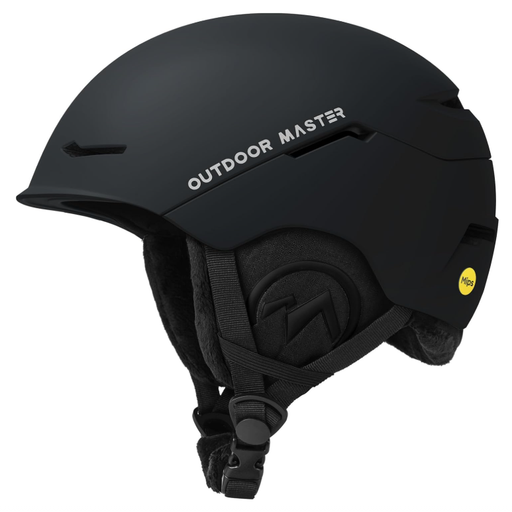
Why it's a match: For those who want protection on the slopes and on the bike. This helmet is built for colder conditions and offers specific features for winter sports.
This model avoids the pitfall of choosing the wrong type of helmet. It's specifically designed as a ski helmet, with features like ear warmers and a goggle clip that a standard bike helmet lacks.
Besides MIPS, this helmet offers a lightweight in-mold construction, 8 vents, and a removable liner with ear warmers for warmth and comfort.
We have compiled a complete, up-to-date list of products that meet these selection criteria and the applicable safety standards.
The right size is crucial. Take a flexible measuring tape and measure the circumference of your head at its widest point, about 2 centimeters above your eyebrows. Compare this number (in centimeters) with the size chart on the helmet's product page. Most adult helmets come in sizes like S (Small), M (Medium), and L (Large), each with a corresponding centimeter range.
A helmet is designed to absorb the impact of one significant crash. Therefore, always replace your helmet after a fall, even if you don't see any visible damage. The internal structure of the EPS foam can be compromised. Additionally, most manufacturers recommend replacing a helmet every 3 to 5 years, as the materials can degrade over time due to exposure to sunlight and sweat.
A helmet with MIPS is designed to provide an extra degree of protection in specific types of crashes, namely those involving an angled impact. According to the technology's developers, the slip-plane layer can help reduce rotational forces. While any certified helmet (with or without MIPS) must meet strict safety standards for direct impact, MIPS is an additional technology that targets a different type of force. The choice depends on your personal preference and budget.
