
Painter looking to photograph a single figure
You want a repeatable, wider shot against a clean white background and would like to keep your setup simple.


A compact camera with a suitable close-up mode is a good choice for wider shots if you don’t want to use a separate lens. For very small paint details, a mirrorless camera with a suitable macro lens offers another way to achieve greater magnification. In either case, check the framing and working distance, exactly what’s included in the kit, and whether your subject looks its best with stable support, soft lighting and a fixed white balance.
You want a repeatable, wider shot against a clean white background and would like to keep your setup simple.
You want to bring eyes, texture or fine brushstrokes into closer view, and are weighing up magnification, focusing and working distance.
You photograph several figures in similar conditions and look for even lighting, consistent colour settings and enough sharpness across the subject.
Choose this option if: you want a simple setup without a separate macro lens and the camera can capture your desired framing from your working distance.
The trade-off: a fixed lens limits your options for changing lenses later. Also check that the camera doesn’t cast a shadow over the miniature when shooting close-ups.
Choose this option if: you want to capture very small details at a larger size or have the flexibility to use other lenses later.
The trade-off: the camera body and lens need to be compatible and may be sold as separate parts of the kit. Greater magnification won’t automatically make every part of a three-dimensional figure sharp.
| What to consider | What should you check? | Who should pay extra attention? |
|---|---|---|
| Magnifying small details | Compare the magnification and framing at your intended distance. With a mirrorless camera, also check the lens mount and what’s included in the kit. | If I want to fill the frame with small painted details, I look at both magnification and working distance. For around 30% of consumers, magnifying details is the top priority. |
| Sharpness across the figure | Check whether the camera offers focus bracketing or focus stacking, or whether you can use a suitable manual technique. Use stable support. | If you want a deep figure to be sharp from front to back, take protruding parts and different focus positions into account. For around 30% of consumers, depth of field is their main concern. |
| Paint colours against white | Assess a test shot under your own lighting. Keep the lighting and white balance settings consistent between photos. | If I want to photograph several figures with similar colours, I pay attention to the lighting setup and white balance. For around 20% of consumers, colour consistency is the top priority. |
| A complete, simple setup | Check what’s included in the kit, the available table space, the support you’ll need and the framing at your working distance. | If you mainly want a wider shot without lots of separate components, weigh simplicity against the lens options you want. Around 20% of consumers prioritise a practical, simple setup. |
A short minimum focusing distance alone doesn’t tell you how large the detail will appear in the frame or how much working room you’ll have in front of the lens.
Compare the magnification and test the framing at the distance you want to photograph the miniature from.
Macro magnification depends on the specific lens; it doesn’t automatically apply to the camera body or every kit.
Check the exact lens name and mount in the listing. A compatible lens may be a separate part of the setup.
The lighting and white balance you use affect how the white background and paint colours look in the photo.
Assess a test shot under your own lighting, and keep your lighting setup and settings consistent across a series of figures.
The Tough TG-7 offers a compact fixed-lens option for close-ups without a separate macro lens.
The EOS R50 is an RF mirrorless camera that can be paired with a suitable macro lens as a separate lens option.
The Z50II offers a mirrorless option with a Z mount; the NIKKOR Z MC 50mm f/2.8 is a separate macro lens option.
The FUJINON XF30mmF2.8 R LM WR Macro is an X-mount lens for a compatible Fujifilm X camera body.
The SEL90M28G is a macro lens to consider if you’re looking at a compatible E-mount setup.
Before choosing any of these Joybuy cameras for painted miniatures, check close-up framing, focusing and colour reproduction for each one.
 No image available
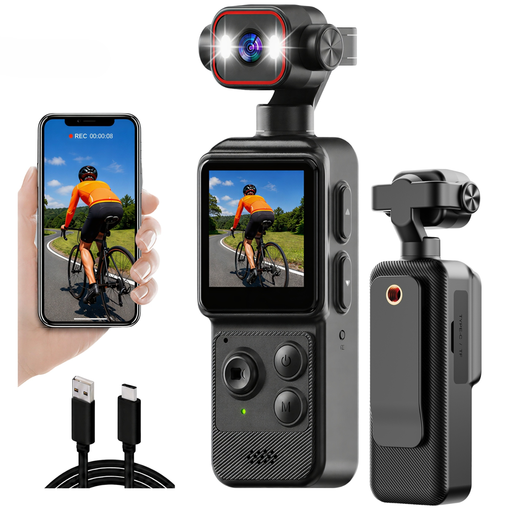
The title lists a 140° wide-angle lens and clip. Check whether the focus and framing are suitable for small figures.
The title also mentions a 1,54-inch display, app control, LED light and 1200 mAh battery.
 No image available
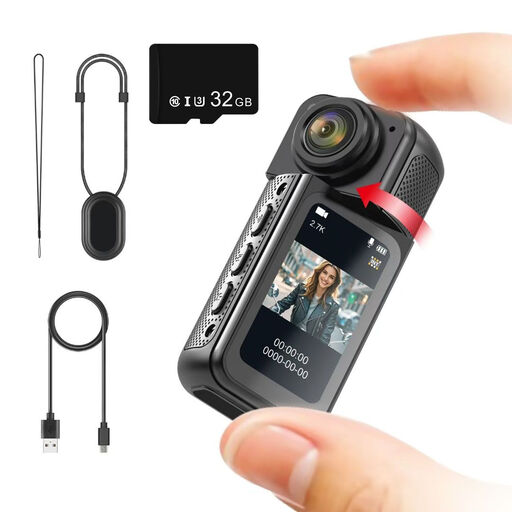
The rotating lens may help you adjust the framing. Check whether you can capture the figure in focus from your preferred distance.
The title lists a 180° rotating lens, magnetic mount, 1,47-inch IPS screen and included 32 GB memory card.
 No image available
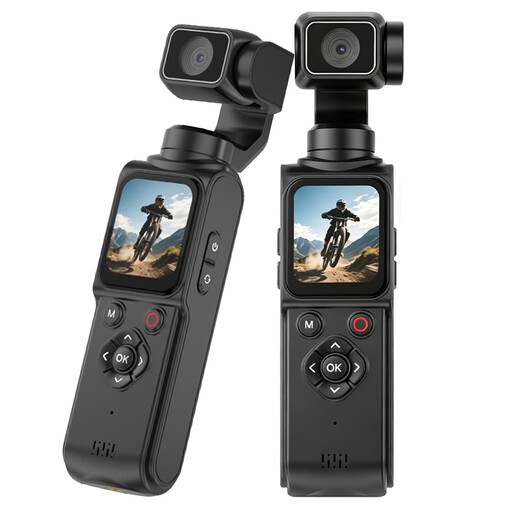
The title mentions a mini tripod. Check whether it keeps the camera stable enough for your close-up setup.
The listed features are 64 MP, a 330° rotating lens, 1,72-inch touchscreen, Wi-Fi and a mini tripod.
 No image available
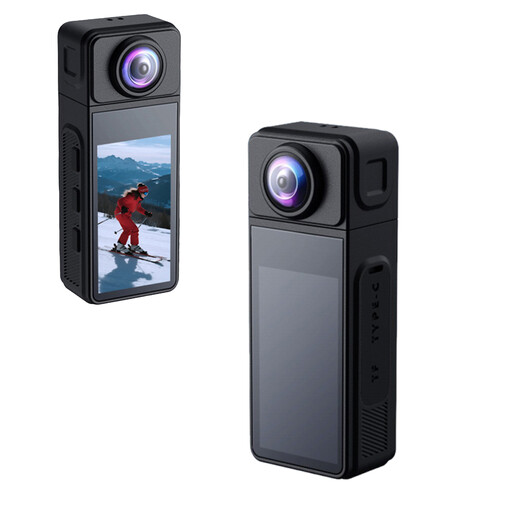
Before choosing, check that the close-up framing and focus suit your miniature. The listed image stabilisation alone won’t tell you whether they do.
The title lists a 270° rotating wide-angle lens and electronic image stabilisation.
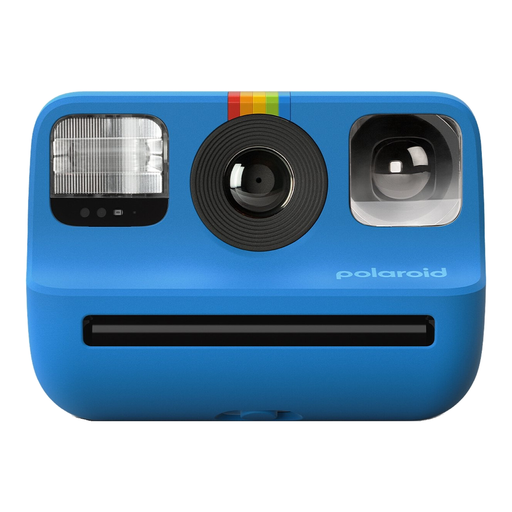 No image available
This instant camera produces physical photos on Polaroid Go film. Check that this format suits your needs and that you can capture the details you want.
The listed film has a print size of 66,6 × 53,9 mm.
No, not if the camera can capture the whole miniature at your available distance, with enough sharpness and at a suitable size. For small details, check the magnification and working distance again.
Keep the camera and subject stable, and consider taking a focus stack if a single shot doesn’t provide enough depth of field. The official OM SYSTEM TG-7 manual describes combining shots taken at different focus positions. For other models, check which features are available.
Check the white balance under the lighting you’ll use for your photos, and keep the lighting setup consistent across a series. The lighting also affects how the white background and paint colours look.
When you buy from a business at a distance, you usually have a 14-day cooling-off period, although the Dutch government notes that exceptions may apply. Your statutory guarantee means you’re entitled to a product that works properly. If there’s a fault, contact the seller.