
Detail-focused miniature painter
Wants to show brushstrokes and small details clearly and at a large size. Pay particular attention to lens magnification, working distance and depth of field.


Choose based on the framing you can achieve with the camera and lens you’ll actually use, not just the megapixel count. A compact camera with close-focusing capabilities means fewer lens choices to make; a mirrorless camera gives you more flexibility to choose a suitable macro or close-up lens, but you’ll need to make sure the right lens is included in the kit. To capture sharp detail across the depth of a miniature, a steady setup and possibly focus stacking are important. Changing window light also makes white balance worth considering.
Wants to show brushstrokes and small details clearly and at a large size. Pay particular attention to lens magnification, working distance and depth of field.
Wants to photograph a series of miniatures with similar paint colours as the window light changes. A repeatable setup and careful white balance can help.
Wants to photograph a miniature without changing lenses and use the camera for other scenes too. A simple setup may mean fewer close-up lens options.
A good fit if: you want to photograph small details without changing lenses. The OM SYSTEM Tough TG-7 manual specifies shooting from as close as 1 cm and focus bracketing.
Bear in mind: the short distance can leave less room for light between the camera and miniature. These are manufacturer specifications, not the results of an independent performance test.
A good fit if: you want to choose a lens to suit your preferred magnification and working distance. The Canon EOS R50 accepts RF and RF-S lenses; Canon specifies a maximum magnification of 1:2 for the separate RF 35mm F1.8 Macro. Nikon specifies 1:1 for the separate NIKKOR Z MC 50mm f/2.8.
Bear in mind: the camera body or standard kit doesn’t guarantee that the right macro lens is included. The magnification figures apply to the lenses named, not to every lens used with those camera bodies.
A good fit if: you want to capture the miniature along with the tabletop scene, and simplicity matters more than a tight close-up. Sony specifies focusing from around 5 cm from the front of the lens for the ZV-1F.
Bear in mind: the lens isn’t interchangeable, and the stated focusing distance alone doesn’t tell you how large a small detail will appear in the frame.
| What to consider | What should you check? | Who is this important for? |
|---|---|---|
| Magnifying small details | Compare the maximum magnification and working distance of the exact lens or camera. Check the framing with a miniature of a similar size. | If I want to show brushstrokes and small details clearly, I look beyond the focusing distance alone. Around 36% of consumers give detail magnification top priority. |
| Keeping the whole miniature in focus | Check whether the camera supports focus bracketing or focus stacking, and whether you can keep it steady. | If you want the miniature sharp from front to back, you may need to take extra shots. Around 29% of consumers prioritise depth of field. |
| Keeping paint colours consistent | Check the white balance settings and, if you edit your images, whether the model supports RAW shooting. | If I want paint colours to look consistent across a series in changing window light, I pay attention to white balance and editing. Around 21% of consumers prioritise colour consistency. |
| Getting started easily | Check whether the offer includes a body or a complete camera, which lens is included and whether it gives you the framing you want. | If you want fewer separate components and to get started quickly, a fixed-lens camera may be appealing, even if it offers fewer upgrade options. Around 14% of consumers prioritise a simple, complete camera. |
The lens also affects how large a small miniature appears in the frame. A short focusing distance doesn’t automatically mean the detail will appear large on the sensor.
Compare the specifications of the exact lens and, if possible, try the framing with a miniature of a similar size.
Magnification figures such as 1:2 and 1:1 apply to specific lenses, not automatically to the camera body or every kit lens.
Check the full package contents and whether the included lens gives you the framing you want.
When the lens is close to the miniature, there’s less room to position window light or a reflector.
Compare the working distance as well as the magnification, and try out the setup on the table where you plan to take your photos.
The Dutch Government notes that when you buy from outside the EU, duties and additional costs may differ, and electronic products sold in the EU must meet safety requirements.
Check the seller, country of dispatch, applicable product marking and total cost before placing your order.
The Tough TG-7 is a compact option with integrated close-focusing capabilities.
The EOS R50 is a mirrorless camera body for which you choose a suitable RF or RF-S lens.
The Z50II can be paired with a separate Z macro lens.
Sony offers both mirrorless cameras with E-mount lenses and compact cameras with fixed lenses.
These cameras are worth comparing against the requirements of photographing in window light; check whether the lens and close-up capabilities of each model are suitable for your miniature.
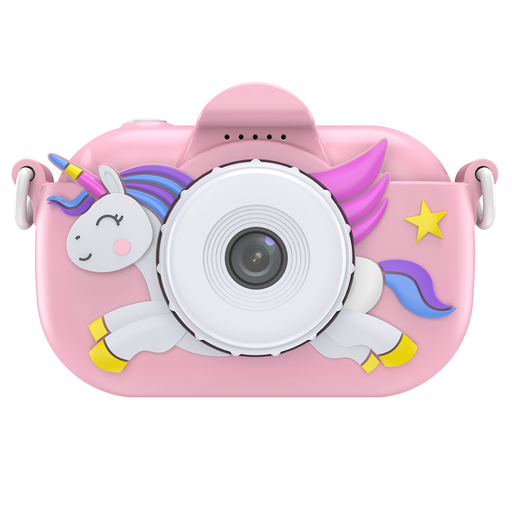 No image available
Before choosing it for close-ups, check whether the camera and included lens give you the framing you want for your miniature.
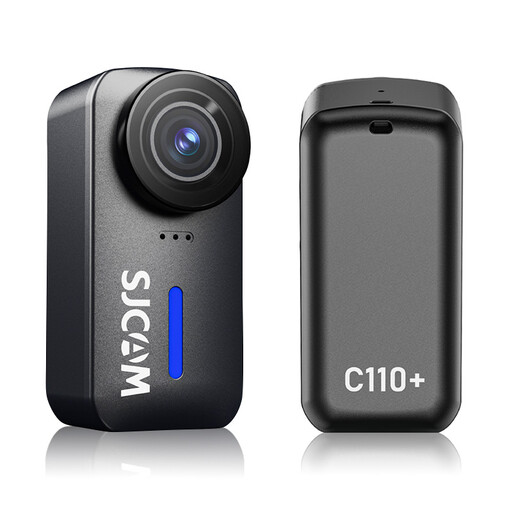 No image available
Compare the lens and the framing you want with your miniature; the camera specifications listed don’t, by themselves, establish how suitable it is for close-ups.
The product name lists 4K, 20MP photos, a 170° ultra-wide angle and an f/1.8 aperture.
No. Sony defines working distance as the distance from the front of the lens, and minimum focusing distance as the distance from the image sensor. Compare both if you want to leave room for window light or a reflector.
For a stationary miniature, a series of shots taken at different focus points can help capture more of its depth in focus. Keep the camera steady and check whether your model takes the series automatically or combines the shots in-camera as well.
Keep the exposure as consistent as possible and check the white balance, as natural light can change colour. According to Canon Netherlands, RAW files give you more scope to adjust white balance afterwards, if your camera supports RAW shooting.
It depends on the lens included in the kit you’re considering and the framing you need. Check the exact lens and its maximum magnification: the stated figures of 1:2 and 1:1 apply to separately specified lenses.
According to the Dutch Government, when you buy as a consumer you’re entitled to a product that works properly, and the seller must provide a solution if there’s a problem. A manufacturer’s warranty doesn’t replace your statutory rights. For eligible distance sales, you generally have a 14-day cooling-off period.