
Miniature painter who focuses on detail
You want to capture brushstrokes and small parts in close-up. So, check the magnification of the specific lens or the camera’s close-up mode.


A compact camera with a close-up mode suits a small photo table if you want to switch quickly between the whole miniature and its details without changing lenses. Choose a mirrorless camera with a suitable macro lens if magnification and lens choice matter more; with either option, check that you can frame and focus at your preferred working distance, and allow for limited depth of field, lighting and a stable setup.
You want to capture brushstrokes and small parts in close-up. So, check the magnification of the specific lens or the camera’s close-up mode.
You want to photograph your miniature without the camera, lighting and support getting in one another’s way. According to OM SYSTEM, the OM SYSTEM TG-7 has a microscope mode; check whether its working distance and framing suit your table.
You want to capture paint colours accurately and keep protruding parts in focus. Check the white balance, lighting and stability of your setup; Canon Netherlands describes white balance as a way to manage colour casts in different lighting conditions.
A good fit if: you want to switch quickly between the whole miniature and its details on a small table, without fitting a separate lens. The OM SYSTEM TG-7 has a microscope mode and focus stacking; the PENTAX WG-8 has macro modes and built-in ring lighting.
Bear in mind: the lens is fixed, so you can’t change the working distance or framing by swapping lenses. Built-in lighting won’t necessarily give you the right shadows and colours for your setup.
A good fit if: you want to capture tiny brushstrokes in close-up and choose your own lens. Canon specifies 0.5× magnification for the RF 35mm F1.8 MACRO IS STM; Sony and Nikon specify 1:1 for the E 30mm F3.5 Macro and NIKKOR Z MC 50mm f/2.8 respectively.
Bear in mind: a camera body or standard zoom isn’t the same as a complete macro setup. Check the lens mount and allow for shallow depth of field when shooting close-ups; a stable support and focus bracketing or stacking may also be useful.
| What to consider | What should you check? | Who should pay particular attention? |
|---|---|---|
| Visibility of paint details | Compare the maximum magnification of the exact lens or close-up mode. Check whether the detail appears large enough in the frame at your working distance. | I want to capture brushstrokes and small parts clearly. Around 33% of consumers put paint details first. |
| Sharpness from front to back | Check whether the camera offers focus bracketing or stacking, and how that feature affects the final photo. | If protruding parts need to stay sharp, I look at depth of field and the option to use several focus positions. Around 27% of consumers put this first. |
| Paint colours under table lighting | Check whether you can adjust the white balance and whether there’s room to position lighting at your preferred shooting distance. | I want to keep paint colours looking accurate under my table lighting. Around 20% of consumers put colour and lighting first. |
| Setup on a small table | Plan the space needed for the working distance, camera, support and lighting. If you’re choosing a mirrorless camera, check which lens comes with the kit. | When space on the table is limited, I want a manageable setup without unnecessary lens changes. Around 20% of consumers put this first. |
The magnification of a specific macro lens doesn’t automatically apply to the standard zoom in a camera kit.
Before buying, check the full lens name and the maximum magnification of the combination on offer.
A suitable macro lens may need to be bought separately.
Being able to focus up close doesn’t, by itself, tell you whether the whole miniature will fit in the frame or get enough light.
Consider magnification, framing and the space available for lighting on your table at the same time.
When shooting close-ups, only a small part of a protruding miniature may be in focus at once.
Take a test shot of a miniature with protruding parts and check the focus bracketing and stacking options.
A stable support and taking a series of shots may add extra setup time.
The Tough TG-7 is a compact camera with a fixed lens for close-up photography without a separate macro lens.
An EOS R50 with a suitable RF macro lens is an interchangeable-lens option for close-up detail shots.
A Sony camera with an E-mount and the separate E 30mm F3.5 Macro is a mirrorless option if you’re looking for 1:1 magnification.
The NIKKOR Z MC 50mm f/2.8 is a macro lens for a compatible Nikon Z camera.
The WG-8 is a compact camera with a fixed lens, macro modes and built-in ring lighting.
Joybuy product picks related to this topic.
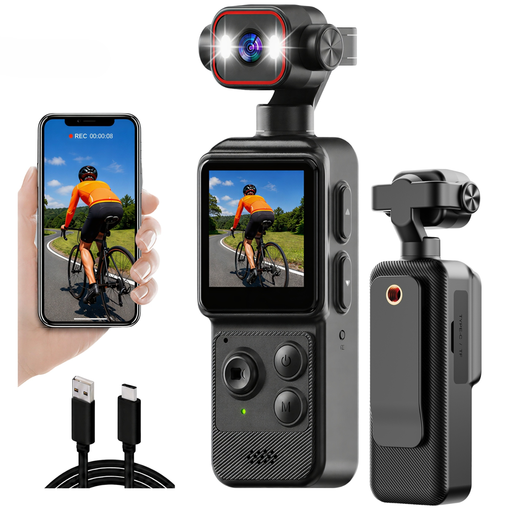 Image unavailable
Check that the camera focuses at your working distance and captures the paint details you want.
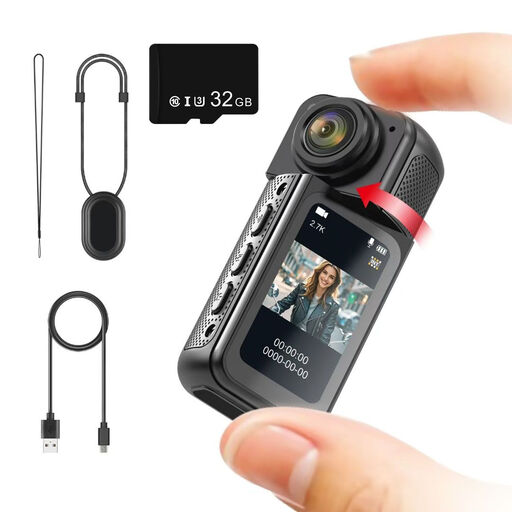 Image unavailable
Check that the camera focuses at your working distance; a rotating lens alone doesn’t tell you whether it can capture small paint details sharply.
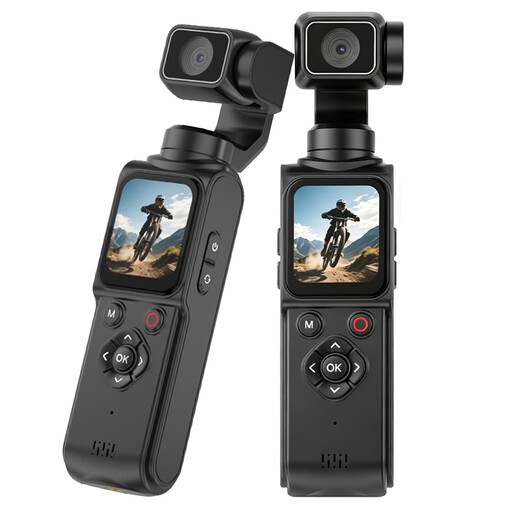 Image unavailable
The included mini tripod may suit a fixed tabletop setup; also check that the camera focuses on your miniature from your preferred distance.
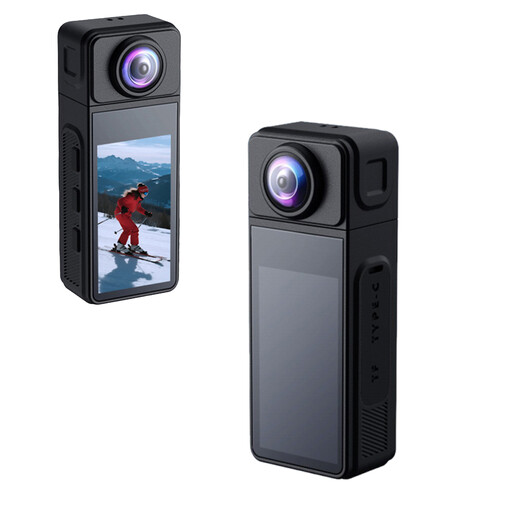 Image unavailable
The listed tripod thread may suit a tabletop setup; check separately that the camera focuses at the working distance you need.
 Image unavailable
This is an instant camera; check whether printing on instant film suits your goal of photographing painted miniatures.
No, not just because of the subject’s size. Decide how much of the miniature you want in the frame, then compare the magnification and focusing distance of the exact lens or camera mode. For very small paint details, a suitable macro lens may be more important.
Set up the miniature and camera securely, then assess the depth of field with a test shot. If protruding parts fall outside the plane of focus, focus bracketing followed by stacking may help; OM SYSTEM describes focus stacking for the TG-7, and Canon lists focus bracketing and depth compositing for the EOS R50.
Check whether the kit includes the lens you want and whether it’s compatible with the camera body. The Canon RF 35mm F1.8 MACRO IS STM and Sony SEL30M35 are specified as separate lenses; also consider stable support and space for lighting.
According to the Dutch government, when you buy at a distance you usually have a 14-day cooling-off period, with some exceptions. If a product is faulty, the seller must offer a solution under the legal guarantee; check the terms that apply to your purchase.