
Builders who want to show small details
When filming parts up close, you’ll want to reduce distracting, harsh shadows without losing the visible texture. Benel explains how the position of the light affects shadows and depth.


A dimmable ring light works well for close-ups of small parts if you can position it outside the space your hands need to move in. Ring lighting can reduce harsh shadows, but it can also make texture less visible. Choose directional side lighting or a repositionable LED panel if shape and texture matter more, or if a ring mounted above the table would get in the way. Match the colour of the lights you use and check the white balance with a test shot of the white background.
When filming parts up close, you’ll want to reduce distracting, harsh shadows without losing the visible texture. Benel explains how the position of the light affects shadows and depth.
You need room for your hands, camera and larger build steps. Canon Europe recommends using a tripod for consistent product photography. Plan your work area first, then decide where the light can go.
If you want paint, materials and the white background to look consistent between shots, pay attention to the colour of the light and your camera’s white balance. Canon Europe explains why the light source you use affects how white appears on screen.
Choose this if: you mainly shoot close-ups from a fixed camera angle and can position the light outside the space your hands need to move in.
The trade-off: light around the lens can reduce harsh shadows, but it can also reduce the depth of shadow that helps small shapes stand out.
Choose this if: you want to direct light from the side to show texture, or keep the space above the miniature clear.
The trade-off: you’ll need to adjust its position more carefully. Also check whether a mount is sold separately.
| What to consider | What to look for when buying | Who is it important for? |
|---|---|---|
| Shadows and detail | Check whether the light is dimmable and easy to position. Test it on a part with both flat and raised details. | If I want to show small shapes without harsh shadows, I compare ring lighting with light coming in at an angle. Around 29% of consumers put detail visibility and shadow control first. |
| Clear work area | Measure your build area and the space needed for hand movements. Check the diameter and whether the kit includes a table tripod, light stand or overhead arm. | When I film from above, my hands and camera need to move freely. Around 29% of consumers give this clear work area top priority. |
| Colour and white background | Check how to adjust the colour of the light, then assess the white background and the paint colours together in a test shot. | If paint colours and white need to look consistent between build steps, I pay attention to the colour of the light and white balance. Around 24% of consumers put colour consistency first. |
| Setup and power | Check what’s included in the exact kit and whether the light uses mains power, USB power or a battery. | If I regularly set up for tutorials, I want to know what power supply and mounting parts I’ll need. Around 18% of consumers start by looking at ease of use and what’s included in the kit. |
Side shadows can help show the texture of small raised parts. Light that’s too flat can actually make their shape less clear.
Take a test shot of a textured part and compare the ring light’s position with light coming in diagonally from the side.
A phone holder and a mount for filming from above are not the same thing. The Godox manual lists a phone holder and adapter; the NEEWER RL-18 kit lists a light stand.
Check the parts list for the exact version and mark out your work area before choosing a mount.
A lux figure measured at a specific distance and a lumen figure are not based on the same measurement, and don’t tell you directly how much light will reach your table.
Only compare figures when the units and measurement conditions match, and assess a test shot in your own workspace too.
Elgato says that the Ring Light has been discontinued. The existence of a product or specifications page doesn’t make it a current option.
Assess a panel alternative on its own features and check which mount comes with the version you choose.
The LR150 is an example of a ring light with continuously adjustable colour temperature and brightness for a fixed setup.
The RL-18 kit is worth considering if you’re looking for a larger ring light with a light stand and phone holder.
The SpotLight Smart 80 II is a compact ring light with a table tripod, designed for a small smartphone setup.
The U200 is a portable ring-shaped video light for anyone who wants a setup without a fixed mains cable.
The Key Light Mini is a repositionable panel alternative if a ring above your work table would be awkward.
This selection includes ring lights for smartphone setups and repositionable video lights as an alternative when directional lighting or a clear work area matters.
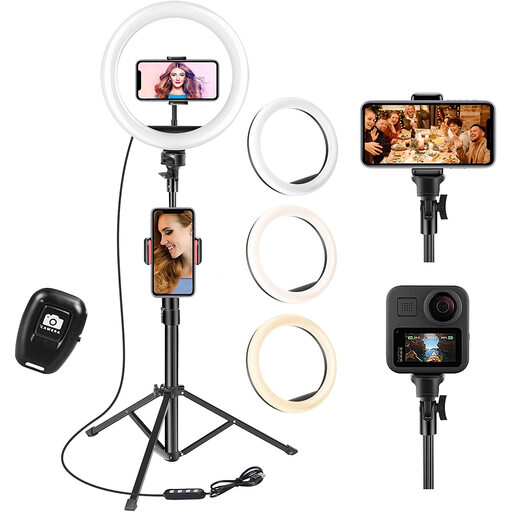 No image available
Suited to a fixed smartphone setup if you can position the light and holder outside the space your hands need to move in.
The title lists a 63-inch tripod, a remote control, three colour settings and ten brightness levels.
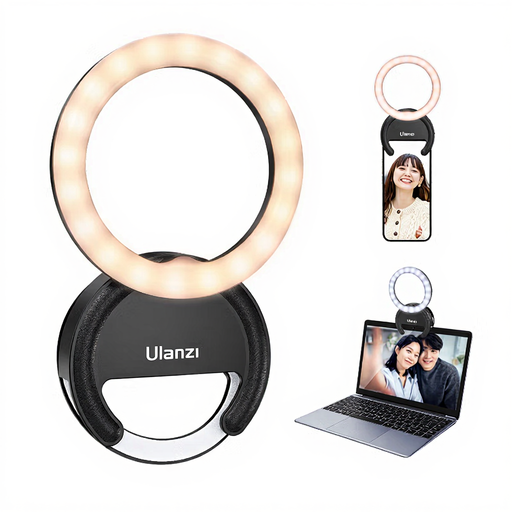 No image available
Suited to filming with a smartphone if a small ring light that attaches to your phone works with your workspace.
The title lists three colour temperatures from 3000–7000 K and five brightness levels.
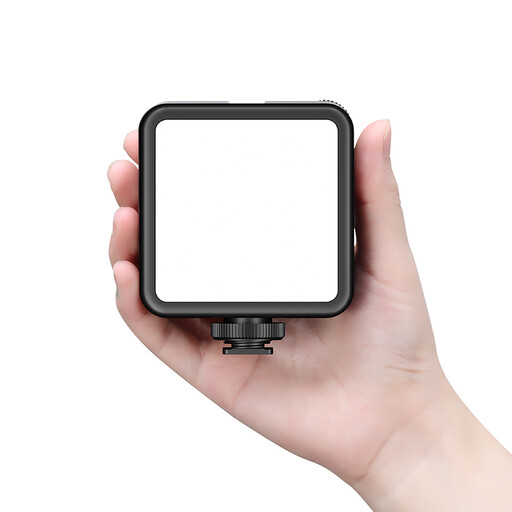 No image available
A repositionable video light to consider if you want to position the light beside the miniature rather than using a ring around the lens.
The product information recommends keeping the connectors dry and ensuring good ventilation when using the light at maximum power.
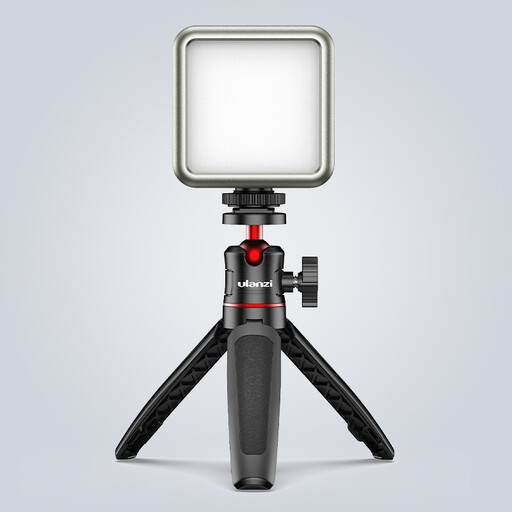 No image available
A compact video light to consider if you’re looking for a repositionable light source for small details or product shots.
The title lists a 2000 mAh battery and an adjustable range of 2500–9500 K. The product information recommends using a standard 5V adapter and avoiding shining the light directly into your eyes from close range.
 No image available
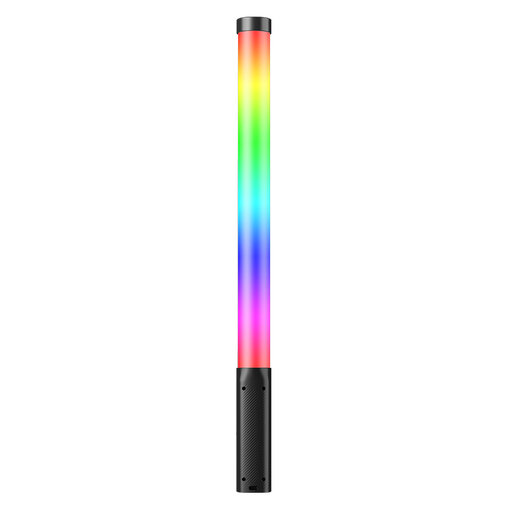
A repositionable light wand to consider if you want to position the light source separately from the camera.
The product information recommends avoiding direct eye contact with the light and keeping it dry.
No, it doesn’t. Light around the lens can reduce shadows around the camera, but whether the position works for a building tutorial depends on how freely your hands and camera can move. Test the framing with the largest build step you expect to film, and use angled light if you want more shadows to show the shape.
Match the light sources you use as closely as possible and check the camera’s white balance under the lighting at your workspace. An adjustable light gives you more ways to change the colour of the light, but it won’t adjust the camera’s white balance automatically.
Not necessarily; the included parts vary by model and version. The Godox LR150 manual lists a phone holder and adapter, while the NEEWER RL-18 kit lists a light stand. Check whether the exact kit includes a suitable overhead arm and mount.
For distance purchases, the Dutch government says you’ll usually have a 14-day cooling-off period, subject to legal exceptions. You’re also covered by the statutory guarantee if a product doesn’t do what you could reasonably expect under normal use; the seller is responsible for this.
Applicable European safety requirements apply to electrical and electronic equipment sold in the Netherlands. According to Business.gov.nl, after assessing the product against the applicable requirements, the manufacturer affixes the CE marking and draws up an EU declaration of conformity. A CE marking on its own isn’t an independent test of a specific model in use.