For local iOS testing, you need a suitable Mac. For Android alone, a Windows or Linux mini PC may be enough, and a physical Android device is an alternative to using an emulator. Choose memory and storage to suit your test setup, and count USB data ports, charging points and mains plugs separately: a compact PC doesn’t eliminate the need for the rest of your workspace.
Who is this choice for?
Android emulator tester
You develop Android apps and want to use virtual devices. Choose a PC to suit your projects, installed memory and available storage. Google’s Android Developers documentation also lists a physical Android device as an alternative to an emulator.
iOS developer
You want to work locally with Xcode and the iOS Simulator. Apple Developer describes the simulator as part of Xcode on macOS, so check that the Mac and macOS version you choose are compatible with the Xcode version you need.
Tester with a crowded workspace
You connect physical phones and peripherals but have few sockets available. Count data ports, charging points and mains plugs separately, and check the load on your extension lead.
What should you look for when buying?
Mac for local iOS testing
Choose this option: if you need Xcode and the iOS Simulator locally.
Bear in mind: the Mac needs its own mains connection, and you’ll also need a screen and input devices.
Windows or Linux mini PC for Android
Choose this option: if you don’t need a local iOS simulator and want to test Android apps with Android Studio.
Bear in mind: Google recommends 16 GB RAM and 16 GB of disk space as a starting point for Android Emulator; running several or larger virtual devices may require more resources.
Testing on physical Android devices
Consider this: if you want to check how apps behave on real devices or don’t need an emulator for every test.
Bear in mind: phones still need data connections and, depending on your setup, charging points.
| Buying consideration |
What to look for when buying |
Who should consider this? |
| Capacity for Android emulators |
Check the installed RAM and available SSD space. Google recommends 16 GB RAM and 16 GB of disk space as a starting point for Android Emulator. |
If you want to run Android Studio with one or more virtual devices, you’ll need enough space alongside your development environment. Around 29% of consumers prioritise emulator capacity. |
| Connections and power supply |
Count USB data ports, charging points and mains plugs separately. Check the load on your extension lead and whether the product and power supply have the applicable CE marking. The NVWA states that CE marking is mandatory for electrical products to which this requirement applies. |
If you have few sockets and connect physical devices, you’ll want to know whether your whole workspace can be set up practically and safely. Around 29% of consumers prioritise connections and power supply. |
| Local iOS testing |
Before buying, check that the macOS version you choose is supported by the Xcode version you need. Apple Developer describes the iOS Simulator as part of Xcode on macOS. |
If you want to test iOS apps locally with Xcode, choosing the right Mac is essential; the number of ports alone isn’t enough. Around 21% of consumers prioritise local iOS testing. |
| Upgradability and after-sales support |
Check the memory and storage configuration actually supplied, and find out who the seller is. According to the Dutch government, the seller is your point of contact for statutory guarantees. |
If you want to run more test environments later, you’ll want to know what’s included in the configuration you choose and who to contact for help. Around 21% of consumers prioritise upgrade options and after-sales support. |
Common pitfalls
-
Assuming a small PC means a complete setup with just one plug
A compact case doesn’t change the fact that a screen, phones and peripherals may need their own connections or mains power.
Map out your complete setup before buying, and count mains plugs, data connections and charging points separately.
-
Choosing a Windows mini PC for mandatory local iOS simulation
Apple describes the iOS Simulator as part of Xcode on macOS; extra memory or USB ports won’t change this software requirement.
First decide which platforms you need to test locally, then check the Xcode and macOS versions required.
-
Confusing maximum supported memory with installed memory
A product range may include several configurations. A stated maximum doesn’t tell you how much RAM the version you’re looking at actually has.
Check the memory configuration of the exact model on offer before deciding whether it suits your emulator use.
Brands to consider
Apple
A relevant compact desktop range if you want to work locally with Xcode and the iOS Simulator.
- Apple Support Netherlands lists a Mac mini (2024) configuration with an M4, 16 GB unified memory and configurable storage.
- These specifications apply to the 2024 configuration mentioned and don’t confirm current availability or the configuration of other models.
HP
The Pro Mini range is worth comparing for Android development without a local iOS simulator.
- The Dutch HP product page lists Windows 11 Pro, 16 GB RAM and a 512 GB SSD for configuration 6D494EA#ABH.
- The page lists this configuration as unavailable. HP’s general performance claims aren’t independent Android Studio test results.
Lenovo
The ThinkCentre M75q Gen 5 is worth considering if USB data ports are important for physical test devices.
- Lenovo’s product specifications distinguish between USB-A ports and a USB-C port intended for data only.
- Ports and processors vary by configuration, so check the exact model on offer.
MSI
The Cubi NUC 1M is a compact Windows range worth comparing for its connections and configurations.
- MSI lists two USB-A ports at the front, two at the rear and two Thunderbolt 4 ports at the rear.
- The stated 120 W power supply rating isn’t a measurement of actual power consumption. Processor and memory configurations vary.
ASUS
The NUC 14 Pro is a compact range to consider if access to internal components matters to you.
- ASUS describes the case as tool-free to open.
- Check which components, power supply and support are included with the specific configuration on offer.
Joybuy products
These product picks focus on compact Windows mini PCs for Android testing. Check that the connections, power supply and configuration of each model suit your complete test setup.
 Image unavailable
Lenovo Yoga Mini 01IPH11 Copilot+ PC, Intel Core Ultra 5 325
The listed 16 GB RAM suits an Android emulator setup, for which Google recommends 16 GB RAM as a starting point.
16 GB LPDDR5X RAM; 512 GB PCIe 4.0 SSD; Windows 11 Home.
Check that the connections and included power supply suit your phones, screen and available sockets.
View at Joybuy
 Image unavailable
FIREBAT R3 mini PC, AMD Ryzen 5 7430U
The listed 16 GB RAM matches the starting point Google recommends for Android Emulator.
16 GB RAM; 512 GB SSD; Wi-Fi 6; output for three 4K screens.
Check that the available connections suit your physical test devices and other equipment.
View at Joybuy
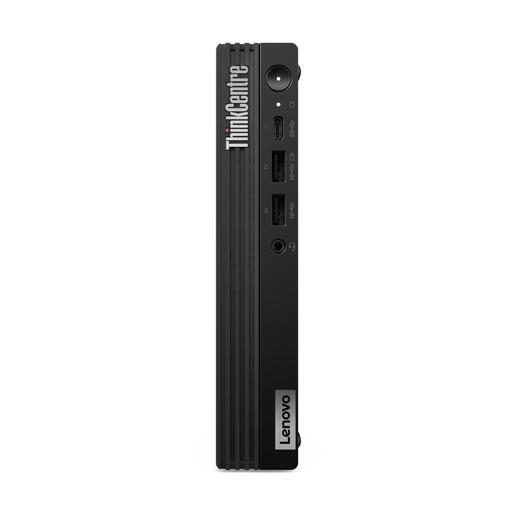 Image unavailable
Lenovo ThinkCentre M70q Gen 5, Intel Core i7-14700T
The listed 16 GB RAM and 512 GB SSD match the starting points Google recommends for Android Emulator.
16 GB DDR5 RAM; 512 GB SSD; Windows 11 Pro.
According to the product information, the mains adapter must be bought separately. Bear this in mind when planning your sockets and power supply.
View at Joybuy
Frequently asked questions
Do I need an emulator for every Android test?
No. Google lists a physical Android device as an alternative to an emulator. Choose based on the devices and features you actually need to check.
Can I use the iOS Simulator locally on a Windows mini PC?
Apple describes the iOS Simulator as part of Xcode on macOS. If you need this workflow locally, check which Mac is suitable and which macOS version is supported by your Xcode version.
Can I plug extension leads into each other to power more test devices?
The Dutch fire-safety initiative De Zorg Brandveilig, which includes Brandweer Nederland as one of its founders, advises against connecting extension leads and multi-socket adaptors to each other. Also check the maximum load shown on your extension lead.
Who can help if a mini PC I bought as a consumer develops a fault?
According to the Dutch government, the seller—not the manufacturer—is responsible for providing a solution under the statutory guarantee. Check who the actual seller of the product is.
What Dutch product safety requirement applies to the power supply?
The NVWA states that CE marking is mandatory for electrical products to which this requirement applies. Check the equipment actually on offer and the power supply included; a general brand page doesn’t confirm the marking on an individual item.


