
Windows desktop app tester
You want to identify bugs on a physical Windows PC that matches the platform your users have. If you use Hyper-V, the Windows edition matters too: Microsoft Learn lists Windows 11 Pro, Enterprise and Education.


First, choose a mini PC that runs the operating system and processor architecture used by your intended users. More processing power won’t make the wrong test platform suitable. Then compare the configuration, connections and included components with your workload. If you use Hyper-V on Windows 11, Microsoft Learn lists the Pro, Enterprise and Education editions; check the hardware requirements too.
You want to identify bugs on a physical Windows PC that matches the platform your users have. If you use Hyper-V, the Windows edition matters too: Microsoft Learn lists Windows 11 Pro, Enterprise and Education.
You run development tools or virtual machines alongside your app and want to compare the specific memory, storage and expansion options of the configuration you’re considering.
You already have monitors or peripherals and want to check that the connections are compatible and find out what else you’ll need.
Choose this option if: you want to test a Windows desktop app on a physical Windows PC without putting a kit together yourself.
Bear in mind: the configuration is fixed in advance. If you use Hyper-V, also check that the Windows edition and hardware meet the requirements.
Choose this option if: you want to select the memory, storage and operating system for your test setup yourself.
Bear in mind: a kit may be supplied without an operating system, memory or storage, so you’ll need to source and install these components.
Choose this option if: your app is designed for macOS or you need to test on a physical Apple Silicon Mac.
Bear in mind: a macOS test machine isn’t automatically a substitute for a physical Windows test machine.
| What to consider | What should you check? | Who should pay extra attention? |
|---|---|---|
| Test platform | Note the target operating system and processor architecture, and check whether you need a specific Windows edition. | I want my test to match the platform used by my intended users. Around 36% of consumers put platform compatibility first. |
| Concurrent workload | List your tools and test environments, then compare them with the memory, storage and any expansion options available in the exact configuration. | I want to run the app alongside development tools or virtual machines. Around 29% of consumers prioritise space for this kind of concurrent workload. |
| Connections | Compare the video, USB and network connections you need with the ports and cables at your workstation. | I want to connect my existing monitors and test devices directly. Around 21% of consumers put connections first. |
| Ready to use | Check what’s included with the exact configuration, including the operating system, memory, storage and any peripherals you need. | I want to know in advance what else I need before my test setup is ready. Around 14% of consumers first consider which components they still need. |
A computer designed for one platform won’t automatically test how something behaves on another. If you also need to test on a different physical platform, you may need a second computer or another test environment.
Note the operating system and architecture used by your intended users before comparing configurations.
ASUS lists the NUC 14 Pro Kit as having no pre-installed operating system, memory or storage. You’ll need to source and install these components yourself for this configuration.
Check what’s included with the exact configuration, then work out which components you still need.
Putting it together and installing everything takes extra preparation. The power cable can also vary by configuration.
Microsoft Learn lists the Pro, Enterprise and Education editions for Hyper-V on Windows 11, along with additional hardware requirements.
If Hyper-V is part of your test plan, check the Windows edition and hardware requirements.
The Pro Mini 400 G9 is a useful reference for a compact Windows workstation. Compare the full configuration, such as 9H6Z2ET#ABH, rather than the series name alone.
The ThinkCentre M75q Gen 5 Tiny offers specific configurations to compare for a compact Windows test PC.
The NUC 14 Pro is worth considering if you’re choosing between a complete mini PC and a configurable kit.
The Mac mini is a physical macOS test platform if your desktop app is designed for Mac users.
The Cubi N ADL is an option to compare for lighter testing workloads and a desk setup that needs multiple connections.
This selection focuses on Windows test setups and includes three mini PCs and one Slim PC. Check that each configuration’s specifications, connections and included components suit your test environment.
 No image available
A Windows 11 Pro configuration for a physical Windows test setup.
The title lists a Ryzen 5 7535HS, 16 GB of LPDDR5 memory and a 512 GB NVMe SSD. The description lists HDMI, DisplayPort, Type-C, six USB 3.0 ports and RJ45.
 No image available
A Windows 11 Pro configuration to consider for a physical Windows test setup.
The title lists a Ryzen 4300U, 16 GB of LPDDR4 memory and a 512 GB SSD. The description lists HDMI 2.0, DisplayPort 1.4, Type-C and six USB 3.0 ports.
 No image available
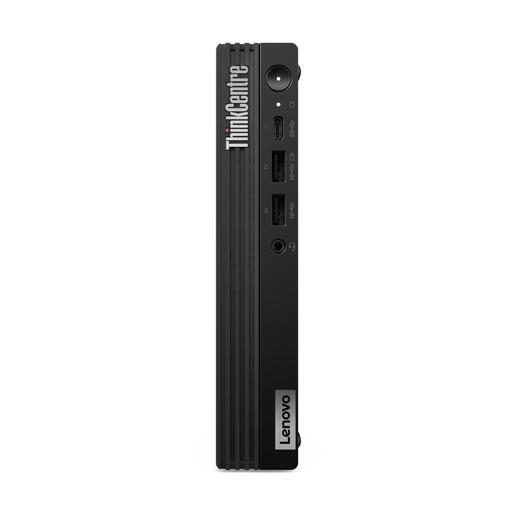
A Windows 11 Pro configuration for anyone considering a ThinkCentre for their test setup.
The title lists an Intel Core i7-14700T, 16 GB of DDR5 memory and a 512 GB SSD. According to the product description, the memory is expandable up to 64 GB. The power adapter must be purchased separately.
 No image available
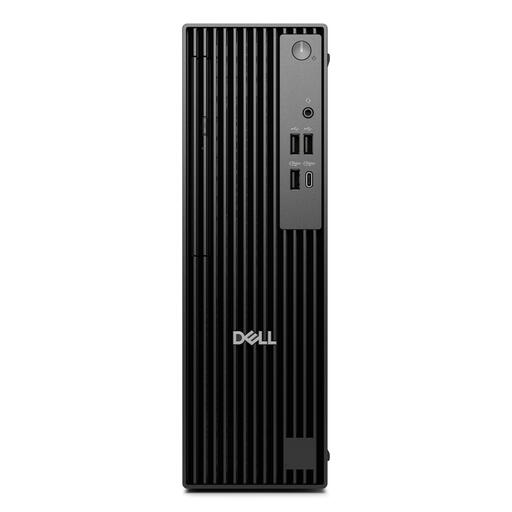
This Windows 11 Pro Slim PC may suit a Windows test setup if it fits your desk.
The title lists an Intel Core Ultra 5 235, 16 GB of DDR5 memory and a 512 GB SSD. The description lists HDMI, DisplayPort, USB-C and USB-A connections. The power adapter must be purchased separately.
Not just to test a desktop app. If you want to use Hyper-V as a host on Windows 11, Microsoft Learn lists the Pro, Enterprise and Education editions. Check the hardware requirements too. Other testing methods may have different requirements.
First, check what’s included with the kit you’ve chosen. ASUS lists the NUC 14 Pro Kit as having no pre-installed operating system, memory or storage, so you’ll need to source and install these components for this configuration.
Match the video outputs to your monitors and the USB connections to your input and test devices. ASUS publishes port details for the NUC 14 Pro; also check that the ports work with your cables and devices.
For a consumer purchase, the statutory guarantee is based on what you could reasonably expect from the product, alongside any commercial warranty, as explained by ACM ConsuWijzer. For an online consumer purchase, the statutory cancellation period usually ends 14 days after delivery. Check the applicable terms and exceptions. These rules do not necessarily apply to business purchases.
The Dutch government outlines ways to dispose of unwanted electrical appliances. The right option depends, among other things, on your circumstances and whether you’re acting as a private individual or a business.