
Vandaag of morgen in huis

Kwaliteit gegarandeerd

Welkomstaanbiedingen ontgrendelen: GRATIS bezorging | Tot 80% korting | Gratis 30 dagen JoyPlus-proefperiode
Download de app
A mini oven is handy in a small kitchen, student room or as an extra oven alongside a built-in model. But choosing the wrong one can quickly become frustrating: the baking tray doesn’t fit, there isn’t enough room for a meal, or the appliance takes up more worktop space than you expected.
So don’t just look at the price and wattage. The key differences are capacity, external dimensions, heating functions, controls and included accessories.
A 30-litre mini oven sounds spacious, but the usable interior also depends on its shape and the positions of the shelves. Check that your oven dish, pizza or baking tin will actually fit. A 10-litre oven is suitable for small portions, while a 65-litre model is closer in size to an extra freestanding oven.
A higher wattage doesn’t automatically mean every dish will cook evenly. Also look at top and bottom heat, fan-assisted cooking and the position of the heating elements. An electric mini oven with top heat only can be great for toast or browning dishes, but less suitable for cakes or casseroles.
As well as checking the product dimensions, make sure there’s enough space around the appliance. An oven needs to release heat and must not be placed against curtains, kitchen cupboards or other flammable materials. A freestanding 45- or 65-litre mini oven in particular needs a sturdy, heat-resistant worktop.
Use this practical guide:
Capacity isn’t the whole story. Also check the dimensions of the baking tray and the number of shelf positions.
A basic grill oven uses top heat to prepare toast, melt cheese or grill food. A model with top and bottom heat is more versatile for baking and roasting. A fan oven circulates heat using a fan, which can help food cook more evenly or let you prepare several dishes.
An air fryer oven usually combines hot air with oven functions. According to OIMIS product information, some models come with multiple programmes, rotisserie and drying functions. Any claims about speed or reduced fat come from the brand itself and depend on the food, quantity and how the appliance is used. Treat them as product information, rather than a guaranteed result.
Check the temperature range. A range up to around 230 °C is often suitable for everyday baking; some models go up to 250 °C. A 30-minute timer is fine for quick snacks, while a 90-minute timer gives you more flexibility for casseroles and roasts.
Mechanical dials are simple and easy to understand. A digital display may offer extra programmes, but check that the controls are clear enough for everyday use.
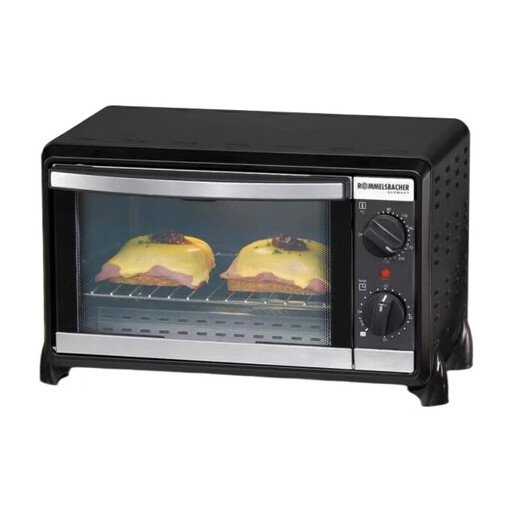
Why it suits this user: Its 10-litre capacity takes up little space, making it a good fit for one person, students or small snacks.
The product information specifies a maximum baking tray size of 20 cm, so you know about its limited capacity before buying.
80–230 °C, top and bottom heat, quartz heating and a 30-minute timer.
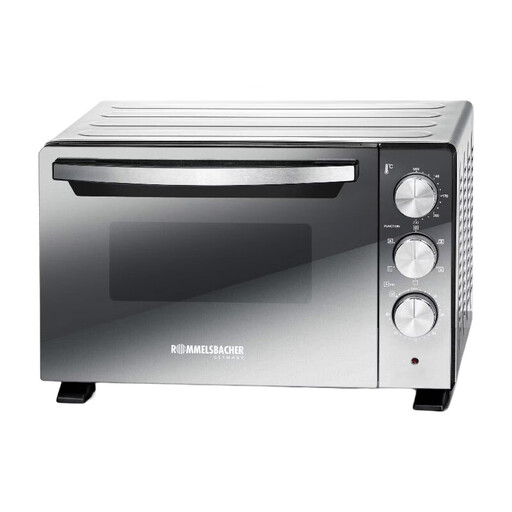
Why it suits this user: This 22-litre model offers more features and accessories without taking up as much space as a large oven.
The oven has five heating settings, three shelf positions and an included crumb tray for easy cleaning.
22 litres, temperatures up to 230 °C, a 60-minute timer, fan setting and electric rotisserie function.
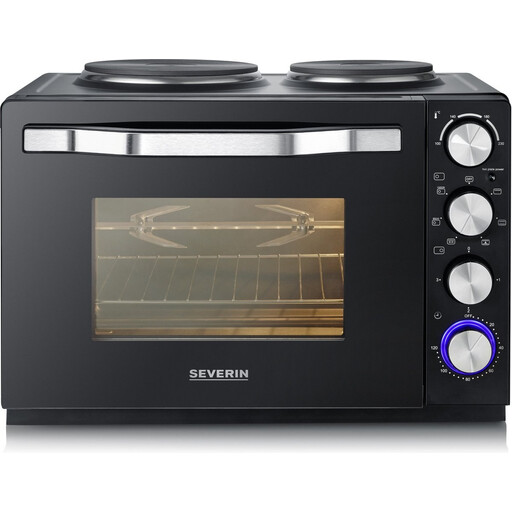
Why it suits this user: If you want one appliance for baking, grilling and cooking, this oven can be used alongside two hotplates.
The functions are clearly specified: 30 litres, top and bottom heat, fan and grill. The two hotplates are also detailed.
30 litres, 1500 W, temperatures from 100–230 °C, rotisserie and two hotplates.
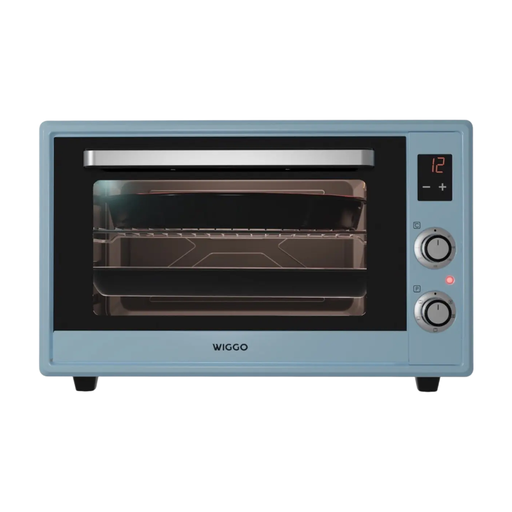
Why it suits this user: Its 65-litre capacity has room for larger dishes, multiple portions and preparing meals in advance.
The external dimensions are clearly stated: 60 × 49 × 40 cm. This lets you check in advance whether your worktop is suitable.
65 litres, six cooking functions, five shelf positions, 2000 W and a 90-minute timer.
We’ve put together a complete, up-to-date list of products that meet these strict selection criteria and the applicable European safety regulations.
Place the mini oven on a flat, stable and heat-resistant surface. Keep the ventilation openings clear and don’t leave the appliance unattended while it’s in use. The door, casing and heating elements get hot, so use oven gloves and keep children away.
Let the appliance cool completely before cleaning the crumb tray, baking tray or shelf. Never immerse an electric mini oven in water. Before buying, also check whether parts can be removed and replacement accessories are available.
It depends on wattage, cooking time, the amount of food and whether you preheat it. For a small portion, a compact oven may need less space and time to heat up. So don’t compare wattage alone; consider how long you’ll use it for and how much food you’re cooking.
Lifespan varies by model and how it’s used. Regular cleaning, proper ventilation and avoiding overloading can help reduce wear. In the European Union, consumers are entitled to a minimum statutory guarantee of two years; any additional terms may vary by product and seller.
Choose a stable, heat-resistant worktop with enough clear space around the appliance. Don’t place the oven under flammable materials or right next to curtains. Always check the instruction manual for the required ventilation clearance.
