
Daytime viewer with lots of natural light
If you watch adventure films with the curtains open, you’ll want to minimise reflections, even in dark scenes. So compare tests of both brightness and reflection handling.


For adventure films in a bright living room, brightness isn’t the only thing that matters: compare how the exact TV version handles reflections too. A tested mini-LED LCD could be a good choice if daytime brightness is your priority, while a specific OLED model with effective anti-reflection properties may be worth considering if deep blacks and film nights matter to you as well. Tests by Tweakers also show that reflections, blooming and perceived black levels vary by model and screen finish.
If you watch adventure films with the curtains open, you’ll want to minimise reflections, even in dark scenes. So compare tests of both brightness and reflection handling.
If you want a clear picture during the day and value deep blacks and minimal blooming in the evening, compare the screen finish and contrast of specific OLED and mini-LED models.
If you watch from different seats, it’s worth checking the TV’s dimensions and viewing angle, and making sure they suit the distance from your sofa.
Suitable if: you often watch during the day and place a high value on brightness; also check how reflective the exact model is.
Trade-off: local dimming can cause visible blooming around bright objects in dark scenes; viewing angles also vary by model.
Suitable if: deep blacks, film nights or viewing from several seats matter to you; a specific model with effective anti-reflection properties may also be worth considering for daytime viewing.
Trade-off: Tweakers found that blacks on the tested Samsung S90H could look greyer in ambient light, while reflections remained visible on the glossy LG C6.
| What to consider | What to look for when buying | Who is this important to? |
|---|---|---|
| Daylight and reflections | Look at brightness and reflection tests for the exact version and screen size; consider where the windows are in relation to the screen. | If I watch during the day with the curtains open, I don’t want windows to dominate dark film scenes. Around 33% of consumers prioritise daytime visibility and limited reflections. |
| Contrast in dark scenes | Compare picture tests featuring dark scenes, subtitles and HDR, both in daylight and in the evening. | If I watch adventure films with dark scenes, I weigh black levels against daytime viewing conditions. Around 27% of consumers give film contrast top priority. |
| Screen size and viewing angle | Measure the viewing distance, available space for the furniture and the furthest seating positions; use around 2.4 times the screen diagonal as a starting point for viewing distance, as advised by the Consumentenbond. | If I watch from several places, the size and picture quality from those seats need to suit my living room. Around 20% of consumers prioritise a good fit for their seating arrangement. |
| Film source and HDR | Check the picture quality of your own film source, as well as the HDR formats and connections supported by the exact TV version. | If I watch films through my own services or devices, I want to make sure they can actually use the TV’s features. Around 13% of consumers prioritise compatibility with their film sources. |
| Energy and support | Compare the energy label for the exact version and read the terms for delivery, installation and any additional warranty. | If I’m mainly concerned with running costs and support after purchase, I want to know in advance what information and terms apply. Around 7% of consumers give energy and support top priority. |
A bright screen won’t necessarily prevent distracting reflections. Tweakers notes that reflections can still be bothersome in bright surroundings on the tested TCL C7L and C8L.
Check brightness and reflections separately for the exact model, and consider the position of windows and lamps in relation to the TV.
In its comparison, Tweakers found that the matte Samsung S90H reduced sharp reflections, but blacks could look greyer in ambient light. Reflections remained visible on the glossy LG C6.
Compare the screen finish in daylight and while watching a dark film scene before choosing a model.
According to ACM ConsuWijzer, a commercial warranty does not replace your statutory rights in the Netherlands. What you could reasonably expect from the TV under normal use is relevant.
Read the terms of any additional warranty and, if there’s a fault, contact the retailer about your statutory claim.
The BRAVIA 9 II is a Sony model with RGB LED technology that may be worth considering when comparing TVs for a bright room.
The European 65C7L is an SQD mini-LED model; the C7L and C8L tested by Tweakers are useful points of comparison for watching films in bright daylight.
The Dutch QE55S90HAEXXN is part of the S90H OLED range and is worth considering if reducing sharp reflections during the day is a priority.
The Dutch OLED65G69LS is a G6 OLED model. The separately tested C6 offers another point of comparison for films.
According to Philips, the Dutch 65MLED910/12 combines QD mini-LED technology with Ambilight and supports Dolby Vision.
This selection includes OLED, QLED and UHD TVs in a range of screen sizes to compare for film nights and viewing in a bright living room. For each version, consider the screen finish, the space available and your viewing distance.
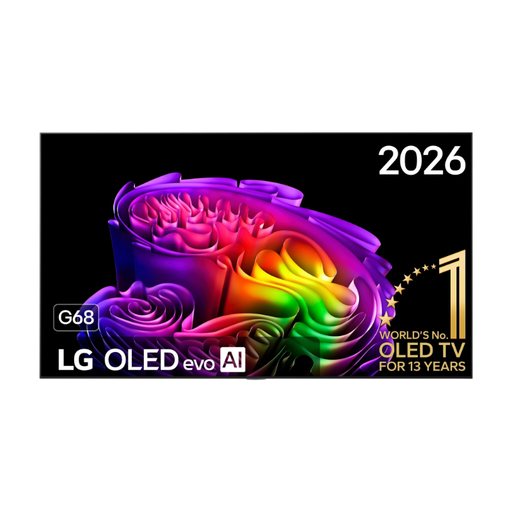 No image available
An OLED version to consider if black levels are important to you when watching films; in bright daylight, also check for reflections in your viewing room.
77 inches, 4K and Dolby Vision.
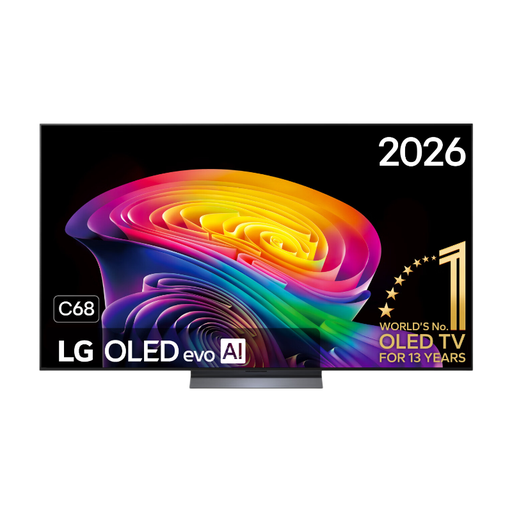 No image available
A 65-inch OLED model to compare for films with dark scenes; check for reflections in the room where you watch.
65 inches, 4K, 120 Hz native, VRR up to 165 Hz and Dolby Vision.
No image available
A 55-inch OLED model to compare if you watch films with dark scenes; measure beforehand to check that the screen size suits your viewing distance.
55 inches, 4K, 120 Hz native, VRR up to 165 Hz and Dolby Vision.
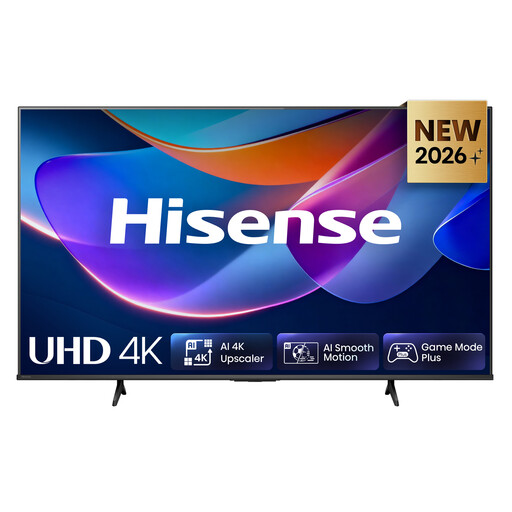 No image available
A 65-inch UHD TV to include in your comparison; check whether its stated viewing angle suits the seating positions in your living room.
65 inches, 4K UHD, 60 Hz, Dolby Vision, HDR10+ and DLED backlighting. The stated viewing angle is 178°.
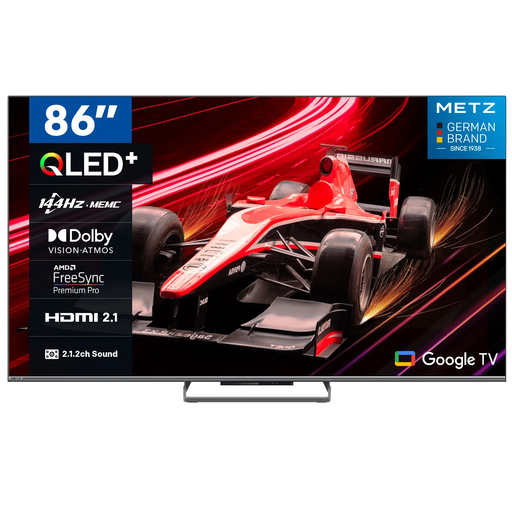 No image available
A large-screen TV to compare if your living room has enough space; measure the viewing distance and available space before buying.
86 inches, QLED, 4K, 144 Hz, HDR10+ and Dolby Vision.
Try the settings at home in the lighting you usually watch in. The Consumentenbond recommends using your normal viewing conditions as a starting point. Try a scene with both light and dark areas, then adjust the settings without losing detail in either.
Measure the distance from your eyes to where the screen will be. The Consumentenbond suggests around 2.4 times the screen diagonal as a comfortable starting point for viewing distance; also check the TV’s width and height, including the stand.
For TVs covered by the scheme, the EU label includes information such as SDR and HDR playback figures, screen diagonal and resolution. Compare the label for the exact version; picture settings can affect actual energy consumption.
No. According to ACM ConsuWijzer, there is no fixed statutory warranty period of exactly two years in the Netherlands: what you could reasonably expect from the TV under normal use is what matters. If a product develops a fault too soon, contact the retailer to discuss an appropriate solution under the applicable legal terms.
No, but your film source needs to provide 4K to make use of that resolution. So check the quality of the films and services you actually use.