
Daytime viewer with lots of incoming light
You usually watch TV in a bright living room and want to avoid reflections from windows or lamps. The Consumentenbond highlights reflection handling and brightness as factors to consider when comparing TVs.


For watching cooking shows in a bright living room, screen technology isn’t the only deciding factor: compare the reflection handling and brightness of the specific model where you’ll be watching. The Consumentenbond describes the screen on the LG OLED55G68LW as very matte, with little reflection. If your room gets a lot of daylight, mini LED/LCD is also worth considering, while OLED can generally offer a wider viewing angle and deeper blacks. Measure your viewing distance and assess regular TV programmes, not just 4K demo footage.
You usually watch TV in a bright living room and want to avoid reflections from windows or lamps. The Consumentenbond highlights reflection handling and brightness as factors to consider when comparing TVs.
You don’t always sit directly in front of the screen and want the picture and colours to remain clear from an angle too. If you watch from several spots, the Consumentenbond recommends paying attention to the viewing angle.
You’re looking for a screen size that suits your viewing distance and want to take energy use and picture settings into account. The Consumentenbond discusses viewing distance and settings as factors to consider when choosing and using a TV.
Choose this when: daylight and brightness are important priorities. Compare the reflection handling and viewing angle of specific models.
The trade-off: the Consumentenbond says QLED TVs can often produce higher brightness. Compare this general characteristic with the specific model and your viewing environment.
Choose this when: you have seats at an angle or contrast is a priority for you. Check the specifications of the exact OLED model.
The trade-off: OLED isn’t automatically the brightest choice for every bright room. The Consumentenbond describes the screen on the LG OLED55G68LW as very matte, with little reflection.
| Buying concern | What should you check? | Who is this for? |
|---|---|---|
| Reflections and visibility in daylight | Check the screen finish and reflection handling of the exact model. If possible, compare it with light coming from the same direction as it does at home. | I watch during the day with windows opposite the TV and don’t want reflections obscuring details. Around 36% of consumers give reflections and daylight visibility top priority. |
| Viewing angle from different seats | Watch the same picture from the sofa and other seats you regularly use; don’t judge by screen technology alone. | When we watch from different spots, I want to know whether the picture remains clear from an angle. Around 29% of consumers give viewing angle top priority. |
| Screen size and picture quality for regular TV programmes | Measure your viewing distance and compare using a regular broadcast or similar programme source, not just a 4K demo. | I want a screen size that suits my viewing distance and to judge the picture using the programmes I actually watch. Around 21% of consumers give screen size and programme picture quality top priority. |
| Energy use and positioning | Compare energy labels for similar screen sizes and check what your preferred positioning involves. | I want to be able to take energy use and the practical implications of positioning into account beforehand. Around 14% of consumers give energy use and positioning top priority. |
Screen technology and reflection handling are separate characteristics. The Consumentenbond assesses reflection handling for each TV, so the technology name alone won’t tell you how the screen will perform where you watch.
Check the reflection handling of the exact model and take the light in your intended viewing area into account.
Regular broadcasts aren’t automatically shown in 4K. The Consumentenbond therefore recommends checking how the TV displays the programme source you actually use.
Ask to see a comparable programme source and assess it from your usual viewing distance.
In the Netherlands, statutory rights apply alongside a manufacturer’s warranty. According to ACM ConsuWijzer, the protection you’re entitled to depends on what you could reasonably expect from the product.
Keep your proof of purchase and, if something goes wrong, contact the seller to discuss a solution under the applicable statutory guarantee.
The OLED G6 range may be worth considering if you’re comparing OLED models and want to take reflections in a bright room into account.
According to Philips, the Philips 55MLED910/12 combines a 55-inch QD mini LED screen with Ambilight.
Samsung offers Neo QLED models with mini LED, as well as specific models it describes as Glare Free.
The Consumentenbond identifies the Hisense 50U7SE as a 50-inch mini LED model, so its size can be compared with 55-inch options.
These Joybuy products are 55-inch TVs with OLED or mini LED/LCD technology. Compare reflection handling, viewing angle and viewing distance before choosing a model.
 No image available
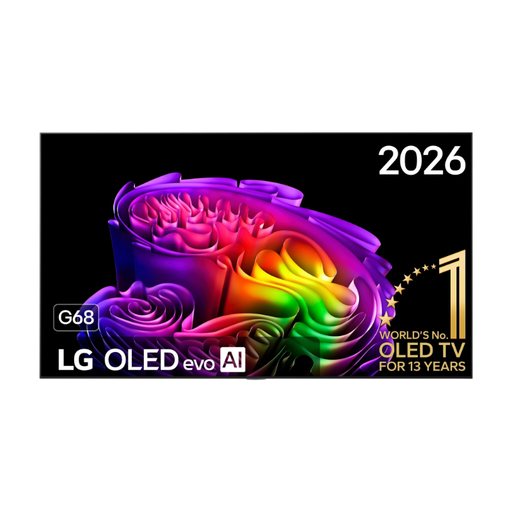
If you’re considering OLED and want to take reflections into account, the Consumentenbond describes the screen on this specific model as very matte, with little reflection.
55 inches; OLED evo; 4K; Smart TV. According to the product description, this G68 version doesn’t include a table-top stand.
 No image available
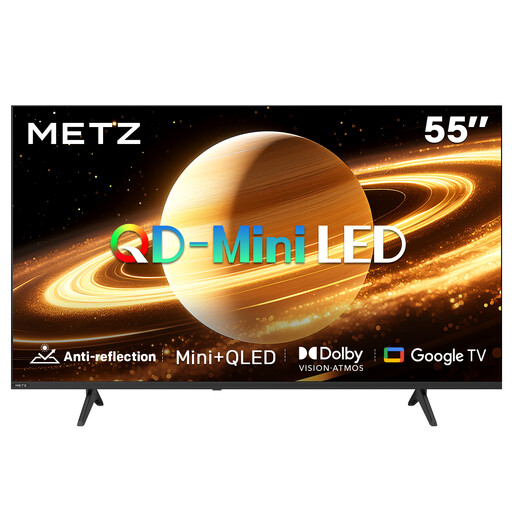
If you want to compare a mini LED model with a matte finish, check how it handles reflections in your own viewing area; the product listing isn’t an independent reflection measurement.
55 inches (140 cm); QD Mini LED; 60 Hz; Dolby Vision; Dolby Atmos; Google TV.
 No image available
If you want to compare a 55-inch mini LED TV, the product name also lists Google TV, for use with this smart TV platform.
55 inches; Mini LED; 4K; 144 Hz; Google TV; Dolby Atmos. The product description recommends lifting and installing the TV with two people and keeping the ventilation openings clear.
 No image available
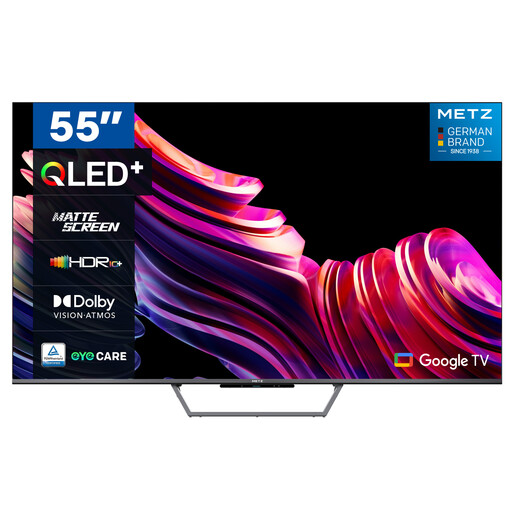
If you want to compare QLED+ and mini LED, check the reflection handling and viewing angle of this specific model; the product name alone doesn’t tell you about these characteristics.
55 inches; 4K UHD; Google TV; matte screen finish according to the product name.
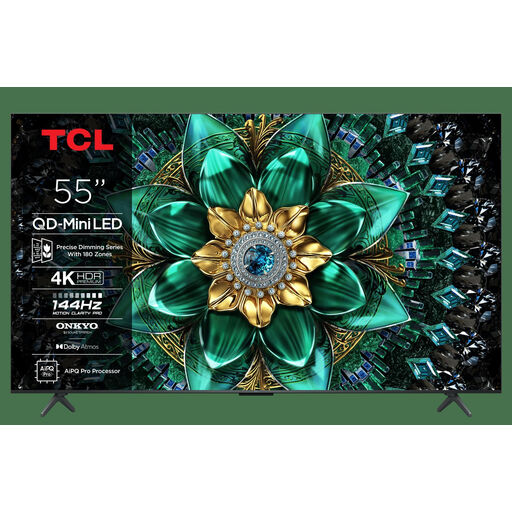 No image available
If you’re considering a 55-inch mini LED model, you can compare its stated screen technology and features with the light and seating in your living room.
55 inches; QLED Mini LED; 4K; 144 Hz; Dolby Vision IQ; Dolby Atmos; HDMI 2.1.
Having a 4K TV doesn’t mean regular broadcasts are shown in 4K too. The Consumentenbond therefore recommends focusing on how the TV displays the programme source you use.
Assess the picture with the lighting you usually have at home. The Consumentenbond recommends lighting the room this way; changing the picture settings can affect energy use.
Measure the distance between your seat and the screen. The Consumentenbond suggests that a viewing distance of around 2.4 times the screen diagonal is considered comfortable by many people, but your seating position and preference are what matter most.
Online purchases generally come with a cooling-off period of up to 14 days after delivery, subject to statutory exceptions. ACM ConsuWijzer also states that statutory guarantee applies alongside a manufacturer’s warranty; what you can reasonably expect from the TV is relevant.
The energy label helps you compare the energy use of electronic displays. According to the European Commission, the scale runs from A to G, and the label information also includes data for HDR viewing.