If you mainly watch during the day, mini-LED LCD is a good place to start your comparison, but check how the specific model handles reflections as well as how bright it gets. OLED is also worth considering for dark scenes, subtitles or viewing from an angle. Check reflections from your usual viewing position, and bear the risk of burn-in in mind if you leave static images on screen for long periods.
Who is this relevant for?
Daytime viewer with plenty of natural light
You watch dramas while the living room is bright and want to see the scenes clearly without distracting reflections. The Consumentenbond highlights high brightness as a consideration for LCD TVs in bright rooms; RTINGS.com also points to the importance of reflection handling.
Fan of dark scenes
For evening viewing, you care about shadow detail and bright edges around subtitles in dimly lit scenes. RTINGS.com notes that halos can be a consideration with local dimming; OLED does not use separate dimming zones.
Viewer who uses different seats
You watch from the sofa or a chair beside it, so you want to assess both the screen size and the picture from an angle. The Consumentenbond recommends factoring in viewing distance when choosing a screen size.
What should you look for when choosing?
Mini-LED LCD for daylight viewing
Choose this option if: windows or lights affect the screen and being able to see the picture clearly during the day is your priority. RTINGS.com often recommends mini-LED models for bright rooms.
Bear in mind: brightness alone will not prevent direct reflections. Dimming zones can also create bright edges around subtitles in dark scenes.
OLED for dark scenes
Choose this option if: you often watch in the evening and place a high value on shadow detail or picture quality from different seats.
Bear in mind: check how the specific model handles reflections, and consider the general risk of burn-in if static images are displayed for long periods, as described by RTINGS.com.
Standard LCD LED
Choose this option if: you also want to compare standard LCD LED models for your available space and viewing distance.
Bear in mind: the QLED label alone does not tell you how well a model handles daylight or reflections; compare these features for each version.
| What to consider |
What to look for |
Who it matters to |
| Daylight and reflections |
Compare independent tests of brightness and reflection handling for the exact version; also consider the position of windows and lights opposite the screen. |
If I want to see scenes clearly during the day without distracting reflections, daylight visibility is my top priority. Around 36% of consumers prioritise daylight visibility. |
| Dark scenes and subtitles |
Look at tests of the exact model showing dark scenes and subtitles; for mini-LED, check how local dimming performs. |
If you care about shadow detail and clear subtitles in the evening, check for halos in suitable scenes. Around 29% of consumers give dark scenes and subtitles top priority. |
| Picture from different seats |
Assess the picture from the furthest seats and measure the distance from each of those positions to the screen. |
If I’m not always sitting directly in front of the TV, I want to assess the picture from the side too. Around 21% of consumers prioritise a good view from multiple seats. |
| Screen size and energy consumption |
Measure your viewing distance, then compare the screen size and energy label for the exact version. The Consumentenbond suggests around 2.4 times the screen diagonal as a guide to viewing distance. |
If you want to take screen size and energy consumption into account, start by measuring your seating distance and available space. Around 14% of consumers prioritise screen size and energy consumption. |
Common pitfalls
-
Choosing based on the technology name alone
Mini-LED, QLED or OLED alone does not tell you how a specific model handles reflections or displays subtitles in dark scenes.
Compare tests of the exact model for reflections and, where relevant, local dimming with subtitles on screen.
-
Assuming a bright demonstration means a good picture in daylight
A window or light opposite the TV can still be visible, even when the screen is bright. RTINGS.com treats reflection handling as a separate consideration.
Assess reflections separately from brightness, and check where the windows and lights are in relation to the TV.
-
Choosing a screen size without measuring your viewing distance
The right screen size depends on the distance between your seat and the screen. The Consumentenbond suggests around 2.4 times the screen diagonal as a guide to viewing distance.
Measure the distance from the seats you use, then compare suitable screen sizes.
-
Assuming the manufacturer’s warranty is the same as your full statutory rights
In the Netherlands, there is no fixed statutory warranty period of two years; the seller is your point of contact if a product is faulty. The Dutch government explains this distinction.
Before buying, check what any additional cover includes and compare it with your statutory rights.
Brands to compare
Sony
The BRAVIA 9 II is a product range worth comparing if visibility in a bright room is a key consideration.
- RTINGS.com selected the BRAVIA 9 II as a choice for a bright room and described its reflection handling as strong.
- That test does not prove that every size or version sold in the Netherlands performs the same way. Sony’s description of True RGB is a manufacturer claim.
Samsung
The 55-inch QN90F sold in the Netherlands is a specific mini-LED model to compare with other versions.
- Samsung lists mini-LED for model QE55QN90FATXXN.
- A product listing or manufacturer statement about the coating is not an independent test of how this version handles reflections.
LG
The OLED65C68LA sold in the Netherlands is an OLED model worth comparing if dark scenes and viewing positions matter to you.
- LG lists Brightness Booster and self-lit OLED technology for this model.
- LG’s claim about picture quality in any lighting is a manufacturer claim. Check reflections on the specific model yourself, and bear in mind the general OLED risk of burn-in if static images are displayed for long periods.
Philips
The 55MLED920/12 sold in the Netherlands combines mini-LED with Ambilight.
- Philips’ product information lists this combination for the model.
- Claims about detail in any lighting and the Ambilight experience are not independent measurements of reflections or brightness.
TCL
The 50C6K sold in the Netherlands is a smaller QD mini-LED model worth comparing if 50 inches suits your seating area.
- TCL lists local dimming and a 144Hz panel for the product range.
- Check the maximum number of zones and performance for the size you choose; when viewing subtitles, also check for visible halos.
Joybuy product picks
These models are options to compare mini-LED LCD for daylight viewing with OLED for dark scenes; check reflections and screen size for the specific version.
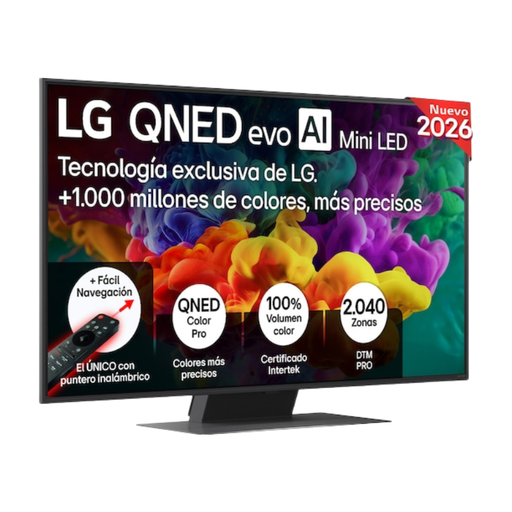 Image unavailable
LG 50QNED85B6B 50-inch 4K QNED Evo AI Mini-LED Smart TV
Mini-LED LCD is an option to compare if daylight viewing is your priority; assess reflections on this model separately.
The product title lists 50 inches, 4K, QNED Evo AI, Mini-LED and Smart TV.
Joybuy
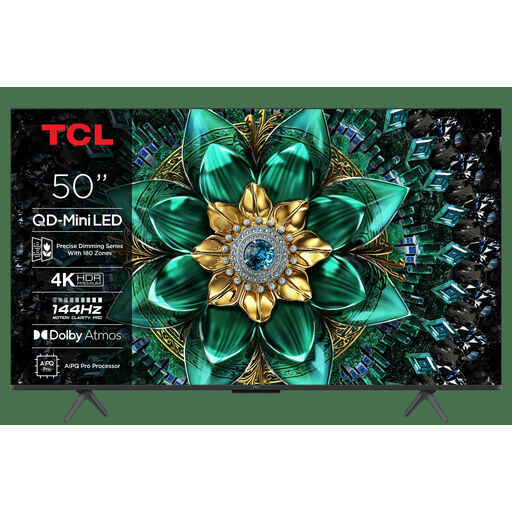 Image unavailable
TCL 50Q6C 50-inch 4K Mini LED Smart TV
A mini-LED LCD model to compare if daylight visibility matters; the product title alone does not tell you how the screen handles reflections.
The product title lists 50 inches, 4K, Mini LED and 144Hz.
Joybuy
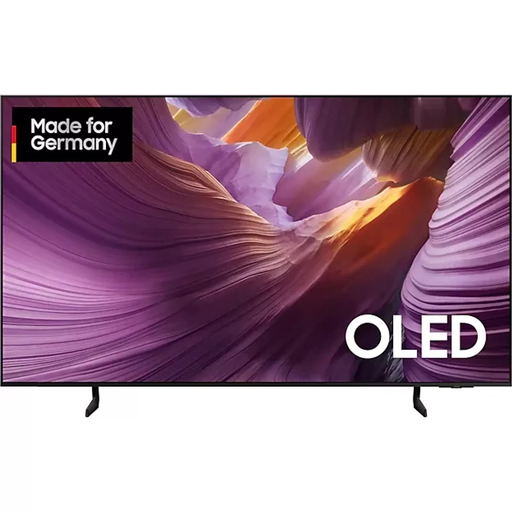 Image unavailable
Samsung S85F Series GQ55S85FAU 55-inch OLED 4K
OLED is an alternative worth comparing if dark scenes and subtitles are a priority; bear in mind the general risk of burn-in if static images are displayed for long periods.
The product title lists 55 inches, OLED and 4K.
Joybuy
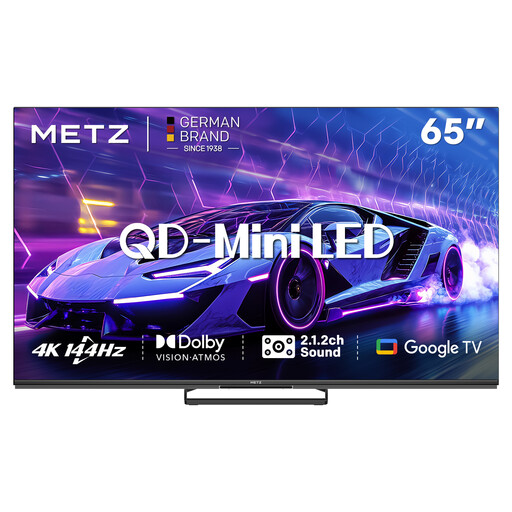 Image unavailable
METZ 65MNE8000Z 65-inch QD-Mini LED Google TV
A QD mini-LED option to compare for daylight viewing; make sure the 65-inch size suits your measured viewing distance.
The product title lists 65 inches, 4K, QD-Mini LED, Google TV, 144Hz and HDR 10+.
Joybuy
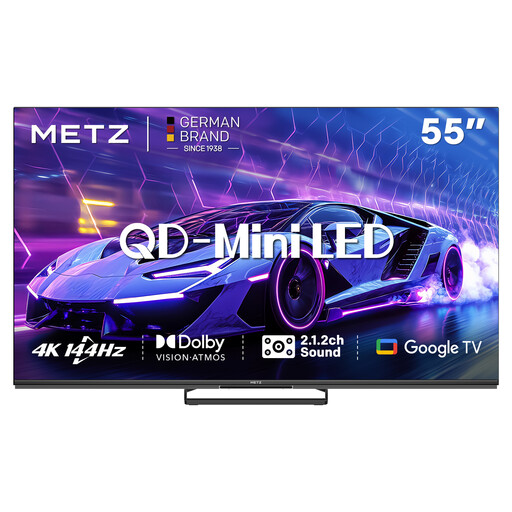 Image unavailable
METZ 55MNE8000Z 55-inch QD-Mini LED Google TV
A QD mini-LED option to compare for daylight viewing; check reflections and see how the 55-inch size fits your viewing distance.
The product title lists 55 inches, 4K, QD-Mini LED, Google TV, 144Hz and HDR 10+.
Joybuy
Frequently asked questions
Is mini-LED or OLED better if you mainly watch period dramas during the day?
Start by comparing the brightness and reflection handling of the exact model; mini-LED is a sensible place to begin for a bright room. A bright screen will not automatically eliminate direct reflections. If you more often watch dark scenes in the evening, include OLED in your comparison too.
How do you choose the right TV size and check whether the picture is set up properly?
Measure the distance between your seat and the screen before choosing a size. The Consumentenbond suggests around 2.4 times the screen diagonal as a guide to viewing distance. Then assess the picture from your different seats using a familiar scene with both light and dark areas.
Do you need an extended warranty in the Netherlands?
An additional cover plan does not replace your statutory rights. According to the Dutch government, there is no fixed statutory warranty period of two years in the Netherlands, and the seller is your point of contact if a product is faulty. Compare the terms of any additional cover with the rights you already have.
What should you check online about energy information and the cooling-off period?
Compare the energy label and product information sheet for the exact TV; EU rules on energy labels apply to televisions. For online consumer purchases, you will generally have a statutory cooling-off period of up to 14 days after delivery, subject to applicable exceptions. ACM ConsuWijzer explains the cooling-off period.


