
Daytime viewers
You watch space programmes while daylight from windows or lamps brightens the living room, and want to keep dark scenes easy to follow. RTINGS.com discusses brightness and reflection handling as separate factors to consider.


For a bright living room, mini LED is often a sensible first option to compare. OLED may be a better fit if you also watch regularly in dim lighting and deep blacks matter to you. RTINGS.com highlights that both brightness and reflection handling play a part: neither tells you on its own how well dark space scenes remain visible. So compare dark scenes with small points of light, check how the TV handles reflections and choose a screen size to suit your viewing distance.
You watch space programmes while daylight from windows or lamps brightens the living room, and want to keep dark scenes easy to follow. RTINGS.com discusses brightness and reflection handling as separate factors to consider.
You watch both during the day and in the evening, and are particularly interested in bright stars against a black background. Compare black levels and how well light around bright points is controlled.
You want a screen that suits your viewing distance and want to check whether the programmes you usually watch make use of its extra picture features. The Consumentenbond discusses viewing distance as part of choosing a TV.
Good for: watching a lot during the day, when both brightness and reflection handling matter.
Bear in mind: panel technology alone doesn’t tell you how well local dimming renders stars against a dark background.
Good for: regular viewing in dim lighting, when deep blacks are a priority.
Bear in mind: compare how the specific TV handles reflections in the lighting conditions you watch in.
Good for: mainly watching regular TV programmes and focusing on the features your sources actually make use of.
Bear in mind: QLED is also an LCD technology; compare reflections and black levels for each model.
| What to consider | What to look for when buying | Who is this important for? |
|---|---|---|
| Daylight and reflections | Compare tested brightness and direct reflections; also consider where the windows are in relation to the screen. | If a lot of daylight comes into the room, I want to be able to follow dark scenes. Around 31% of consumers prioritise daytime visibility and reflections. |
| Stars against black | Watch a dark scene with small points of light and compare black levels and local dimming for each model. | If I want to see individual stars against a dark background, I look at black detail and light around those points. Around 25% of consumers prioritise black detail. |
| Programme quality | Check the resolution offered by the broadcast or stream and, if it matters to you, support for the HDR format. | If my programmes aren’t always available in high quality, I want to know which TV features my sources make use of. Around 19% of consumers prioritise how well a TV matches the programmes they watch. |
| Screen size | Measure your viewing distance and the available width; also check the dimensions of the TV and stand. | I want the screen to suit my seating distance and fit in the space where it will go. Around 13% of consumers make screen size their top priority. |
| Energy consumption | Compare the EU energy label for the specific model, including the figures for SDR and HDR. | If I want to take energy consumption into account, I compare the label figures with how I watch. Around 12% of consumers prioritise energy consumption. |
A screen finish alone won’t tell you how direct reflections and black levels work together in a bright room.
Compare reviews of both features and consider where the windows are in relation to the TV.
A TV’s resolution won’t automatically turn a programme that isn’t broadcast in 4K into native 4K footage.
Check the broadcast or streaming service to see what resolution is actually available.
ACM ConsuWijzer distinguishes between a commercial guarantee and your statutory rights against the seller.
Check exactly what an additional warranty plan covers, and remember that your statutory rights are separate.
Samsung’s Dutch QN90F range is a mini LED option to include when comparing TVs for a bright room.
LG’s Dutch G5 range offers an OLED option for viewers who care about black levels.
The K-65XR70, also known as BRAVIA 7, is a 65-inch mini LED LCD model to compare for size and dimming.
TCL’s Dutch C8K range is another mini LED option; the range page lists 65- and 75-inch models, among others.
This product selection focuses on mini LED TVs for watching space scenes in a bright living room. For each model, assess both reflections and how it displays dark scenes.
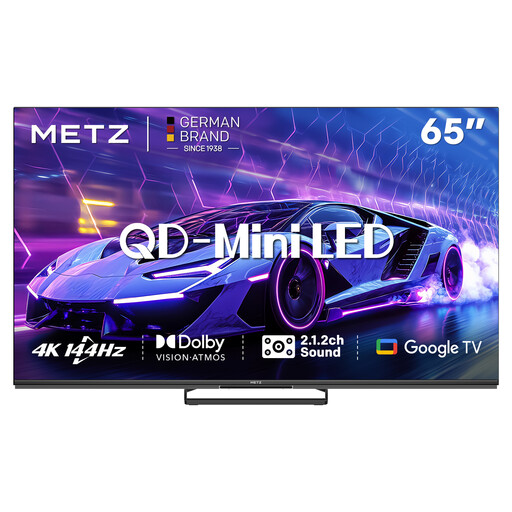 Image unavailable
A mini LED option to compare if you watch space scenes during the day; assess reflections and dark scenes for the specific model.
65 inches; 4K; HDR 10+; 144 Hz; Google TV.
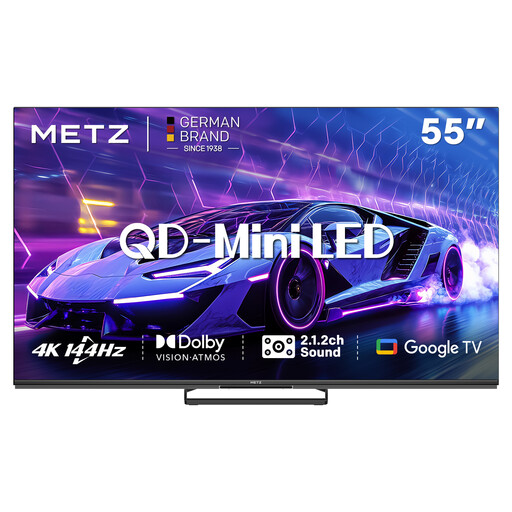 Image unavailable
A mini LED option to compare if you’re considering a 55-inch screen; check how the TV displays dark scenes and handles reflections in your room.
55 inches; 4K; HDR 10+; 144 Hz; Google TV.
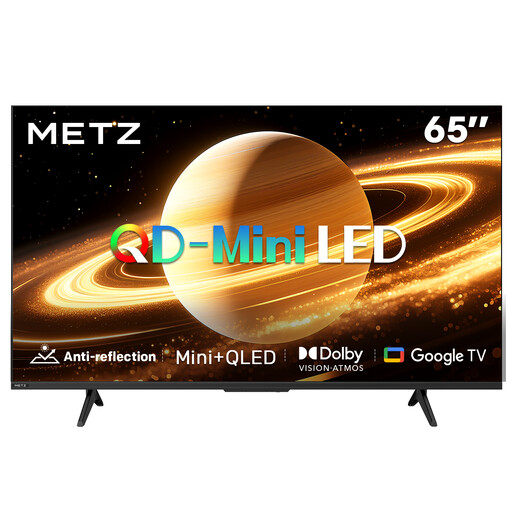 Image unavailable
This model is worth including in a comparison for a bright living room; its name alone doesn’t tell you how reflections or stars against black will look at home.
65 inches; 2026; Matte Screen Ultra; 60 Hz; Dolby Vision & Atmos; Google TV.
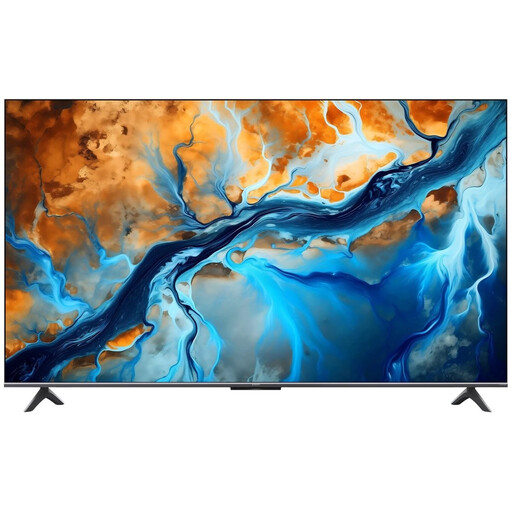 Image unavailable
A mini LED model to compare for daytime viewing; check the reflection handling and black levels of the specific model.
55 inches; 4K; 144 Hz; Google TV; Dolby Atmos.
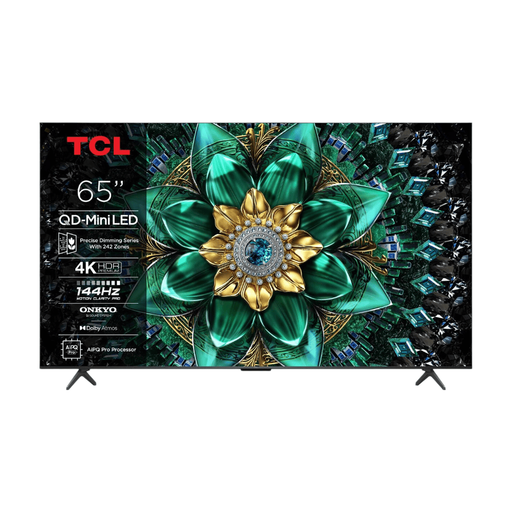 Image unavailable
A 65-inch mini LED option to compare for space scenes; assess how each model displays dark scenes and bright points of light.
65 inches; 4K HDR; 1000 nits; Energy rating F.
No. Research into reflections shows that screens vary in how they handle direct reflections and black levels in ambient light. So compare both features for the specific TV.
Measure your viewing distance and the available width. The Consumentenbond cites around 2.4 times the screen diagonal as the average preferred viewing distance in its own research; use this as a starting point, not a fixed rule. Also check the dimensions of the specific TV and stand.
Compare the EU energy labels for the specific models; these include information for both SDR and HDR. Which figures are relevant to you depends on your viewing habits.
According to ACM ConsuWijzer, when you buy a new television online, you will generally have a statutory 14-day cooling-off period from the date of delivery. If a product is faulty, you also have statutory rights against the seller; these are separate from any manufacturer’s warranty or additional warranty plan.