
Vandaag of morgen in huis

Kwaliteit gegarandeerd

Welkomstaanbiedingen ontgrendelen: GRATIS bezorging | Tot 80% korting | Gratis 30 dagen JoyPlus-proefperiode
Download de app
A mini fridge seems simple enough: plug it in, add your drinks or food and you’re all set. But compact fridges vary considerably in capacity, connections, cooling technology and ease of use. A model for a student room needs different features from a portable fridge for the car or a breast milk cooler.
If you only look at the lowest price or the number of litres, you may get a surprise. Watch out for these common pitfalls:
First, decide what you want to store. A capacity of 5 litres may be enough for a few cans, snacks, cosmetics or skincare products. A larger small fridge is more practical for storing several meals, bottles and groceries.
As well as the capacity, check:
An 88-litre tabletop fridge belongs to a different product category from a personal cooler with a capacity of 5 or 10 litres. A model like this is suitable as an extra fridge in an office, student room or holiday home, but is less practical to take with you.
Check what temperature information the manufacturer provides and how it was measured. For compact thermoelectric models, cooling performance is generally measured against the surrounding temperature. The actual temperature inside may therefore vary depending on the room temperature, ventilation and how often you open the door.
A model that can both cool and heat can be useful for drinks and meals on the go. However, check whether the warm setting is intended for keeping items warm. According to the FOHERE cooler’s product description, the cooling setting lowers the temperature relative to the surroundings, while the warm setting retains existing heat. It isn’t designed to actively warm up cold food.
A 12V fridge is suitable for use with the cigarette lighter socket in a car, caravan or motorhome. For a bedroom, office or holiday home, you’ll usually need a 220V fridge or a model with a 220-240V adapter. A combination of 9-12V DC and 220-240V AC offers greater flexibility.
For a larger compact fridge, the energy label and annual consumption are more relevant than they are for occasional use in the car. According to the listed product specifications, the Bella BKK090.1BE has an E energy rating and an annual consumption of 90 kWh. Its noise level is listed as 39 dB. Also check whether it needs to be defrosted manually and how much clearance it needs around the appliance.
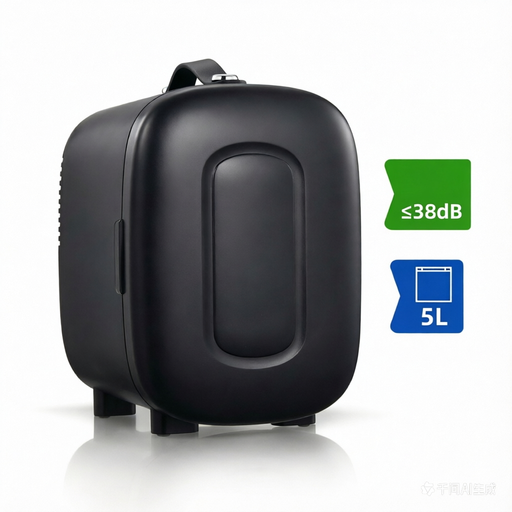
Why it suits this profile: This 5-litre mini fridge is suitable for a desk, bedroom or child’s room where you want to store a few cans, snacks or personal care products separately.
The product description gives both the internal and external dimensions, and mentions a removable shelf and door compartment. This helps you get a better idea of the limited space before you buy.
5-litre capacity, with room for up to six 330 ml cans according to the product information, and 9-12V DC and 220-240V AC connections.

Why it suits this profile: This model is ideal if you’re looking for a full-sized extra fridge for a student room, office, bedroom or holiday home.
Its 88-litre capacity and layout are clearly described, with three adjustable glass shelves, door compartments and a vegetable drawer.
39 dB according to the specifications, LED interior lighting, a reversible door and a stated annual consumption of 90 kWh.
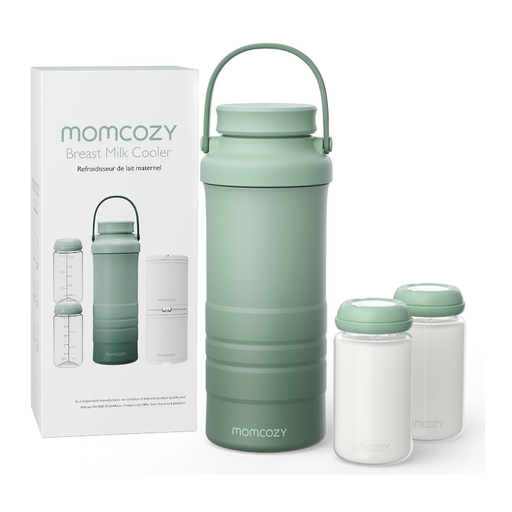
Why it suits this profile: This breast milk cooler is designed for parents and carers who want to take expressed milk with them when out and about, without using a standard fridge.
It cools milk using a pre-frozen cooling tube. The manufacturer says the tube must be completely frozen before use; you should also follow the relevant guidelines for safely storing breast milk.
Includes two 650 ml bottles and a cooling tube. The manufacturer states that it keeps milk cool for 24 hours; this is a manufacturer’s claim and depends on the conditions of use.
We’ve put together a full, up-to-date list of products that meet these strict selection criteria and the applicable European safety regulations.
Only if the model has a suitable 12V DC connection and the cable supplied is designed for it. Check the instructions too, and make sure the ventilation openings aren’t covered. For use at home, you’ll need a 220-240V connection or adapter.
It depends on the type, capacity, surrounding temperature and how long you use it for. For a larger fridge, you can compare the stated annual consumption on the energy label. A portable thermoelectric cooler’s energy use often depends on the setting you choose and how long the appliance is switched on.
It depends on the model. Check whether the warm setting is designed to heat items up or simply keep them warm. For breast milk and other sensitive foods, always follow the relevant storage and hygiene guidance. A standard mini fridge isn’t automatically a breast milk cooler.
