
Vandaag of morgen in huis

Kwaliteit gegarandeerd

Welkomstaanbiedingen ontgrendelen: GRATIS bezorging | Tot 80% korting | Gratis 30 dagen JoyPlus-proefperiode
Download de app
A mini fridge may seem like a simple purchase, but models can differ considerably. A compact fridge for a student room needs different features from a mini-bar fridge for drinks, a tabletop fridge for a studio flat or a portable mini fridge for taking on the go.
Marketing copy often emphasises capacity, design or “energy efficiency”. But those claims don’t tell you much without the technical details. Pay particular attention to these three common pitfalls:
First, measure the space where you plan to put the fridge. Leave room around the appliance for ventilation and check that the door can open fully. Consider the height, width and depth, as well as which way the door opens.
A model with a capacity of around 40 to 50 litres is suitable for a few drinks, snacks and a small amount of shopping. For a studio flat, office or holiday home, 88 to 120 litres may be more practical. A larger small fridge takes up more floor space, but means you won’t have to stack your food.
A mini fridge with a freezer compartment is handy if you want to store ice, frozen food or a small supply of frozen items. Freezer compartment capacity varies considerably, so check:
Salora CFB4300 models are listed as having a freezer compartment. The white version is also described as having a compartment intended for temporarily storing food that is already frozen. This makes the model particularly suitable as a mini-bar fridge for chilled drinks and snacks.
Since the European energy label system was revised, fridges have been rated on a scale from A to G. Also compare the stated annual consumption in kWh. Your actual costs will depend on your electricity tariff and how you use the appliance.
Noise levels are measured in dB. Models rated at around 37 to 41 dB may be suitable for an office, bedroom or open-plan living space, but how noticeable the noise is also depends on the surface and the space available for ventilation.
Always place a fridge on a stable surface, away from heat sources and with its ventilation openings unobstructed. After transporting a fridge, leave it to stand as instructed in the manual before plugging it in.
The options below are based on verifiable product specifications, including capacity, dimensions, energy label, noise level and power options.
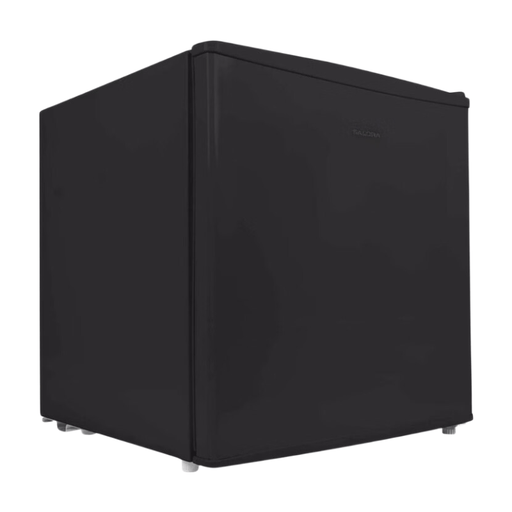
Why it suits this profile: This freestanding mini fridge has a convenient size for a student room, bedroom or small workspace. It has a net capacity of 43 litres.
The capacity, dimensions and noise level of 41 dB are clearly stated. Check the latest energy information on the product page, though: the information provided lists an F energy rating and consumption of 107 kWh per year.
43-litre net capacity, metal shelf, separate freezer compartment and a 1.5-metre power cable.

Why it suits this profile: This tabletop model offers 107 litres of fridge space and 13 litres of freezer space. It’s a good choice if you’re looking for a fully functional second fridge for a studio flat, holiday home or household.
The fridge and freezer capacities are listed separately. With a noise level of 37 dB and annual consumption of 87 kWh, you can compare noise and energy use more easily.
C energy rating, two freezer compartments, a stated storage time of 8 hours during a power cut and a 5-year warranty listed in the product information.
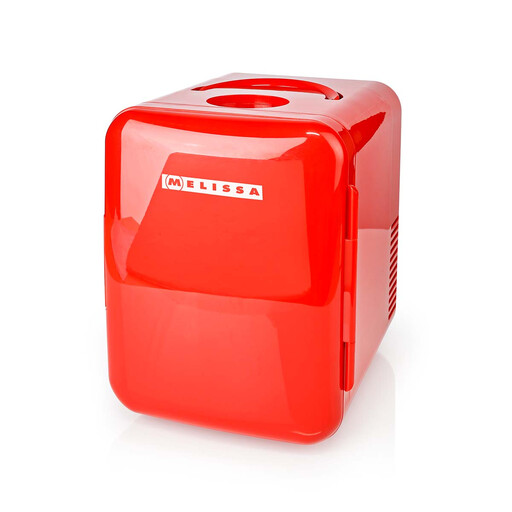
Why it suits this profile: This portable mini fridge is designed to hold up to six 33 cl cans. It can be powered by a 100–240 V mains supply or a 12 V car socket.
Its limited capacity helps set realistic expectations. This isn’t a fridge for long-term food storage, but a portable appliance for drinks, snacks or cosmetics.
Cooling and warming functions, carry handle, removable shelf and a cooling range of 8 to 18 °C, according to the product specifications.

Why it suits this profile: With 95 litres of fridge space and 14 litres of freezer space, it offers extra storage for an office, studio flat or as a second fridge at home.
The product information gives separate capacities for the fridge and freezer. It also lists annual consumption of 89 kWh and a noise level of 37 dB.
C energy rating, reversible door, LED lighting, two glass shelves and three door compartments.
We’ve put together a full, up-to-date list of products that meet these strict selection criteria and comply with current European safety regulations.
It depends on the model. The product specifications show the annual consumption in kWh. The models in this selection range from 87 to 107 kWh per year. Multiply this figure by your current electricity rate to estimate the annual cost. Actual consumption may vary depending on the ambient temperature, settings and how you use the fridge.
Yes, as long as the model has enough space for ventilation and its noise level is suitable for your situation. Models with a stated noise level of 37 to 41 dB may be suitable. Place the appliance on a stable surface and check that you’re comfortable with the sound of the compressor.
Its lifespan depends on how it’s used, ventilation, maintenance and transport. Clean the door seal and interior regularly, defrost the fridge if ice builds up, and keep the ventilation openings clear. Keep your proof of purchase and check the warranty terms, as additional manufacturer warranties may vary by product.
