
Vandaag of morgen in huis

Kwaliteit gegarandeerd

Welkomstaanbiedingen ontgrendelen: GRATIS bezorging | Tot 80% korting | Gratis 30 dagen JoyPlus-proefperiode
Download de app
A mini fridge might seem easy to choose: decide on the size, pick a colour and place your order. But many disappointing purchases come down to features that are less obvious in product photos. A fridge that won’t fit under your desk, makes too much noise in the bedroom or doesn’t keep things cool enough during a hot car journey can quickly fall short of expectations.
As a Joybuy Product Recommendation Officer, I’ve narrowed down the key specifications and practical points to consider. This way, you can compare a small fridge, minibar fridge or portable cooling solution based on how you’ll use it, not just how it looks.
A thermoelectric portable fridge often cools to a few degrees below the ambient temperature. In warm weather, this means its contents may not get as cold as you expect. This type is best suited to drinks, snacks and occasional use.
A compressor cooler works differently. According to the product specifications, it can often reach a set temperature, and some models can also freeze. The trade-offs are usually greater weight, a compressor and a higher purchase price.
A capacity of 43 litres doesn’t tell you everything. Also check the interior layout, the available shelf space and the size of the freezer compartment. Some models have a small fridge or freezer compartment intended for short-term storage, not long-term freezing. For example, the Salora CFB4300WH states that its freezer compartment is not intended for freezing products.
Also measure the space available, the doorway and the clearance around the appliance. A tabletop fridge needs room for ventilation, so don’t place it right up against a wall or in a closed cupboard unless the manual says this is safe.
A mini fridge in a bedroom or office runs regularly. A difference between around 37 and 41 dB can be noticeable in a quiet room, although your experience will also depend on where it’s placed and what it’s standing on. Check the stated noise level in decibels, rather than relying only on descriptions such as ‘quiet’.
To compare energy use, check the annual consumption in kWh and the European energy label. The actual cost depends on your energy tariff and how you use the fridge. In the long run, a model with lower annual consumption may be a better choice than a cheaper appliance that uses more energy.
Make a note of the following in advance:
A fridge with a reversible door is handy if the layout of your student room, studio or office changes regularly. Check that the door can be reversed according to the manual, and whether you’ll need any tools.
Choose according to how you’ll use it:
A fridge with a freezer compartment is useful for ice cubes or short-term storage, but check the exact product description before storing frozen food. If you’re storing wine, a wine fridge with separate temperature control and shelving designed for bottles makes more sense than a standard minibar.
For a car fridge, also check the power connection, cable length, battery protection and maximum power consumption. A 12V model isn’t automatically suitable for long periods of use without the engine running or an external battery.
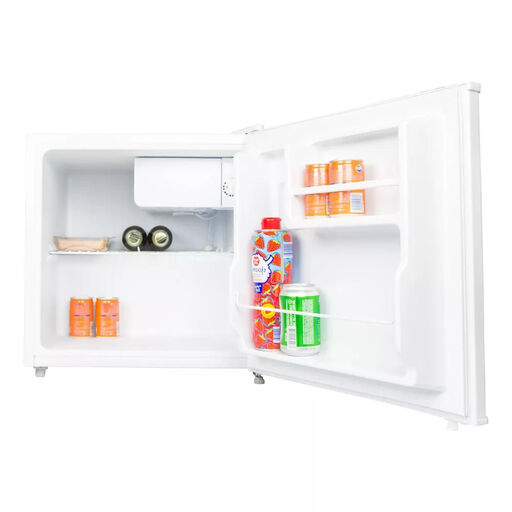
Why it suits this buyer: A straightforward tabletop model for a student room, studio, minibar or home office. Its 43-litre capacity gives you more space than a personal cooler, without taking up as much room as a full-size fridge.
The dimensions, 43-litre capacity, 41 dB noise level and annual consumption of 107 kWh are all clearly stated. According to the product information, the freezer compartment is for short-term use only.
43 litres of net capacity, reversible door, metal shelf and a 1.5-metre cable.
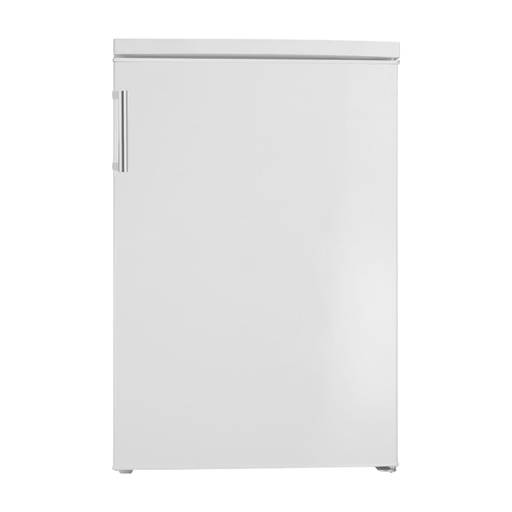
Why it suits this buyer: For a small household, studio or office where a well-organised layout matters more than having the smallest possible appliance.
The specifications list 95 litres of fridge space and 14 litres of freezer space separately, so you can see more clearly how much usable room you’re actually getting.
Energy label C, 89 kWh per year, 37 dB, three glass shelves and a reversible door.
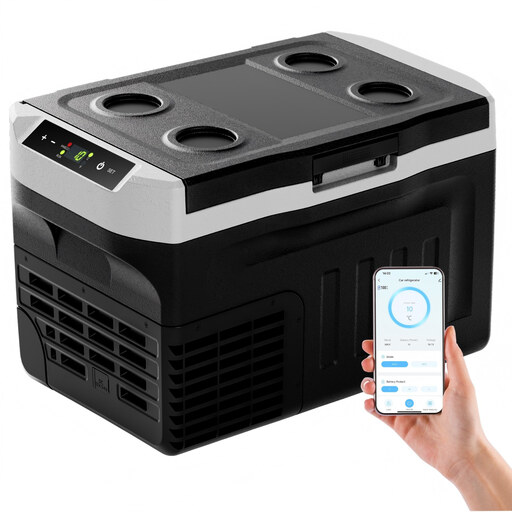
Why it suits this buyer: Designed for campers, travellers, campervan owners and motorists who want to keep things cool both on the move and at home.
According to the product information, its compressor can cool and freeze within a range of -20 °C to 20 °C. Battery protection and AC/DC connections make it easier to use on the move.
21-litre capacity, 12/24V DC and 220–240V AC, app control and a stated noise level of 42 dB.
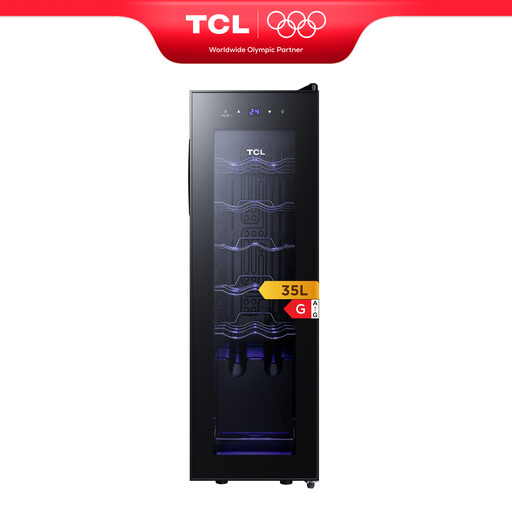
Why it suits this buyer: A dedicated option for anyone who wants to store bottles neatly, rather than using a general-purpose compact fridge with a less suitable layout.
Its capacity is tied to a specific use: according to the product name, this model holds 12 bottles. Check the dimensions of your bottles and the available space before buying.
35-litre capacity, glass door and a layout designed specifically for wine bottles.
We’ve put together a complete, up-to-date list of products that meet these strict selection criteria and comply with current European safety regulations.
Yes, as long as it’s placed on a stable surface with good ventilation. Check the noise level and keep the air vents clear. Don’t place a fridge in direct sunlight or next to a radiator. Always follow the manufacturer’s placement instructions.
It varies by model. Check the stated annual consumption in kWh and multiply it by your electricity tariff. A portable thermoelectric fridge is often rated differently from a household model, so compare figures only within the same product category.
Its lifespan depends on build quality, ventilation, how often it’s used and how well it’s maintained. Make sure the appliance is level, don’t overfill it, and clean away condensation or ice build-up promptly. With a compressor cooler, it’s also important to follow the recommended tilt angle and power supply requirements.
