
Vandaag of morgen in huis

Kwaliteit gegarandeerd

Welkomstaanbiedingen ontgrendelen: GRATIS bezorging | Tot 80% korting | Gratis 30 dagen JoyPlus-proefperiode
Download de app
A mini food processor may seem like a simple purchase: bowl, blade, motor and done. Yet many buyers are disappointed by its limitations after just a few weeks. A small bowl turns out to be too small for a family, cleaning takes longer than expected, or the stated power says little about everyday performance.
For home cooks, busy families and smaller households, choosing the right model is about more than wattage. Pay particular attention to usable capacity, blade design, bowl material, safety features and cleaning. Below, we outline the main pitfalls and highlight a selection of models for different uses.
A product rated at 500W or 800W may sound powerful, but that does not automatically mean the appliance can process every ingredient for long periods. Motor power should be considered alongside:
A 200W electric chopper may be perfectly adequate for herbs and soft vegetables, but less suitable for larger quantities of meat or nuts. For hard ingredients, a model with a higher stated power rating and clear usage instructions is more practical. Never use more ingredients than the maximum fill line allows.
A 1- or 2-litre bowl may look appealing, but the maximum working quantity is often lower. In a compact food processor, food must also be able to move around the blades. An overfilled bowl produces uneven results and can place unnecessary strain on the motor.
Pay attention to the difference between:
A 500 to 900 ml bowl is often suitable for sauces, herbs, dips and small portions. For a family or meal prepping, 1.8 to 2.3 litres is more convenient.
A multifunctional food processor may chop, slice, grate, mix or grind. This is only useful if you actually use the accessories and can store them easily. Multiple separate parts can take up more space than expected in a small kitchen.
Check in advance:
The blades remain sharp on every appliance. Always unplug the appliance before removing a blade or cleaning any parts.
For everyday chopping of onions, herbs, fruit and soft vegetables, a lower power rating may be sufficient. If you also want to process meat, nuts, ice or firm vegetables, it is better to look for a model with a more powerful motor. A 500W food processor is a practical middle ground for many household tasks, provided you work in short batches.
A higher wattage is no substitute for good technique. Cut large ingredients into smaller pieces beforehand and use the pulse setting to control the texture more precisely.
A food processor with a glass bowl gives you a clear view of the contents and, according to product descriptions from various brands, is less likely to absorb odours or stains. Glass is heavier, however, and can break if knocked hard or exposed to a sudden change in temperature.
Plastic is often lighter and practical for everyday use. When preparing baby food or sauces, always check that the bowl is suitable for the temperature of the food. A product description is not a substitute for the official manual. Do not process boiling-hot liquids unless this is expressly permitted.
Stainless steel bowls are robust and do not absorb odours, but they make it harder to see the grinding result. They are particularly appealing if you regularly process meat or firm ingredients.
A one-button chopper is simple and quick to operate. Two speeds and a pulse function give you greater control over the texture. A vegetable chopper with slicing and grating discs is more suitable if you want to do more than simply chop ingredients finely.
Consider in advance which tasks you genuinely need:
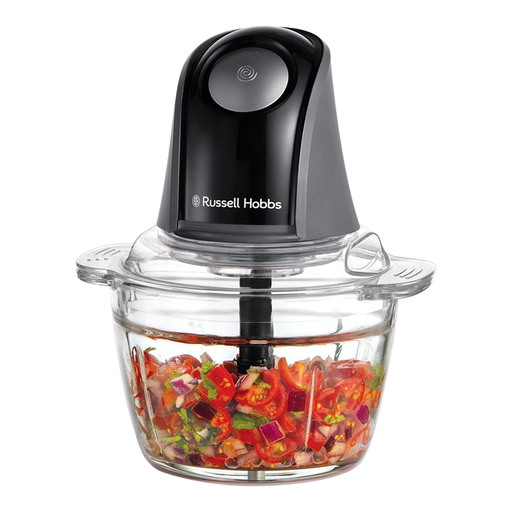
Why it suits this profile: One-button operation and a 500 ml bowl make it easy to prepare small portions of vegetables, herbs, meat or nuts.
The specifications clearly state 200W and 500 ml, so there is no need to overestimate its capacity. This model is designed for short, simple preparations.
500 ml bowl, stainless steel blades, non-slip base and dishwasher-safe parts according to the product information.
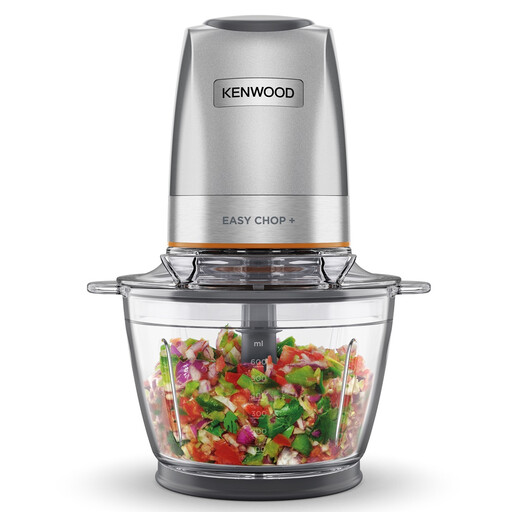
Why it suits this profile: If material quality and control matter to you, this compact model offers a 600 ml glass bowl, two speeds and pulse control.
The glass bowl makes the quantity easy to see, while the non-slip ring helps prevent movement on the worktop. Check the dishwasher instructions for each part.
600 ml capacity, two speeds, QuadBlade blade system and, according to the description, suitable for crushing ice.

Why it suits this profile: For families and users who want more than chopping, this food processor offers a 2.3-litre bowl and functions for chopping, mixing, slicing and grating.
The larger bowl means you do not have to process family-sized portions in lots of small batches. Two speeds and a pulse function give you more control than a simple one-button chopper.
800W motor, 2.3-litre bowl, two speeds plus pulse and multiple preparation functions.
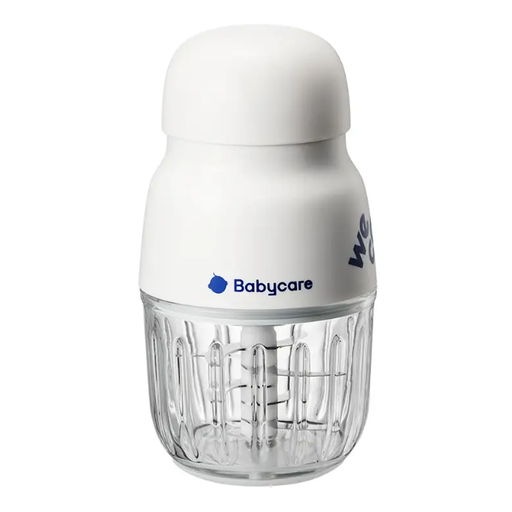
Why it suits this profile: According to the product description, this compact model is designed for a few portions and has a 10 fl oz bowl, approximately 296 ml.
The small capacity makes it clear that this is not a family-sized model. Prepare ingredients appropriately first and check the temperature and cleaning instructions in the manual.
Compact design, corded operation and parts made from ABS, borosilicate glass and stainless steel according to the product information.
We have put together a complete, up-to-date list of products that fully meet these strict selection criteria and the applicable European safety regulations.
For herbs, vegetables, sauces and smaller portions, 500W is often suitable. For meat, nuts or ice, the blade design, portion size and pulse function are at least as important. Always check which ingredients are permitted and the maximum operating time for the model you choose.
Its lifespan depends on usage, cleaning and the load placed on it. Work in short pulses, cut large pieces into smaller ones beforehand and avoid overfilling the bowl. Allow the motor to cool down whenever the manual advises you to do so. Many products in the range come with a statutory minimum two-year guarantee, but check the terms for each product.
Glass is heavier, but according to product specifications it is less likely to absorb odours or stains and makes the contents easy to see. Plastic is lighter and easier to handle. The right choice depends on your storage space, how often you use the appliance and your material preference. Also check whether the bowl is dishwasher-safe and review any temperature restrictions.
