
Workshop cook who wants a coarse texture
Wants to be able to stop during preparation before the olives get too finely chopped, so compares manual pulls with short electric pulses.


For small batches at different workstations, a manual pull-cord chopper is handy if you don’t want to use a plug socket. An electric mini chopper, on the other hand, lets you use short pulses or different speeds. Tefal describes pull-cord operation, while KitchenAid specifies a pulse function, but neither feature guarantees a particular texture for olives. So check the instructions for batch sizes and cleaning, and, if necessary, test a small batch of pitted olives first.
Wants to be able to stop during preparation before the olives get too finely chopped, so compares manual pulls with short electric pulses.
Moves equipment between workstations and prefers a chopper that doesn’t need a plug socket.
Lets several people use the same equipment and pays attention to cleaning the parts and keeping raw and prepared ingredients separate. The Netherlands Nutrition Centre advises using clean equipment and keeping items separate to prevent cross-contamination.
First decide between a manual chopper, an electric model or an attachment for an existing hand blender. Then compare the controls, cleaning requirements and bowl capacity with the portions you expect to prepare during the workshop.
A good fit if: you prepare small batches at different workstations and don’t want to use a plug socket.
Bear in mind: you provide the pulling force yourself; the stated bowl capacity is not a confirmed quantity of olives per batch.
A good fit if: you have access to electricity and want to control the chopping with short pulses or other operating modes.
Bear in mind: you’ll need a plug socket and must follow the cleaning instructions for every part of the model.
A good fit if: you already have a compatible Braun MultiQuick hand blender and are considering an attachment instead of a standalone appliance.
Bear in mind: check that the attachment fits your exact hand blender before choosing.
| What to consider | What to look for when buying | Who is this important for? |
|---|---|---|
| Control over texture | Compare pull-cord operation, a pulse function or an intermittent switch. Tefal, KitchenAid and Bosch describe these controls for the models mentioned. | If you want to keep the olive pieces coarse, you’ll want to check the texture as you chop. Around 31% of consumers put this control first. |
| Working without a plug socket | Check whether your chosen chopper is manual or electric; Tefal describes the K1330404 as cordless. | A plug socket may not be easy to reach at different workstations. Around 25% of consumers prioritise being free from mains power. |
| Cleaning when equipment is shared | Check the model instructions to see which parts, if any, are dishwasher-safe. For the K1330404, Tefal specifies the bowl and blades; Bosch describes dishwasher-safe parts for the MMR08A1. | If several participants use the same equipment, you’ll want to clean food-contact parts carefully and keep raw and prepared ingredients separate. Around 25% of consumers say cleaning is their main purchasing concern. |
| Bowl size for your portions | Compare the stated bowl capacity with what you plan to prepare, but don’t treat it as the maximum quantity of olives. Tefal lists a 500 ml capacity for the K1330404, while KitchenAid lists 830 ml for the 5KFC3516. | If you’re preparing portions for different participants, you’ll want to know whether you may need to work in several batches. Around 19% of consumers focus most on finding a suitable bowl size. |
A stated capacity of, for example, 500 ml or 830 ml doesn’t tell you how many olives you can process at a time.
Compare the portions you expect to prepare with the filling and operating instructions for the exact model.
If a batch can’t be processed properly in one go, you may need to chop it in several rounds.
Cleaning information may apply only to certain parts; the bowl, blade, lid and motor unit may each have different instructions.
Before sharing the appliance, check the manual for each part individually.
Parts that need to be washed by hand take extra time to clean.
The choppers described by Braun are attachments for hand blenders, not standalone appliances.
Check the exact model numbers and connection for both the hand blender and the attachment.
An incompatible attachment may be unusable, so you may still need to buy a compatible base appliance.
The manual 5 Second Chopper K1330404 is worth considering if you want to work without a plug socket.
The standalone electric 5KFC3516 is an option if you want to mix or purée as well as chop.
The electric MMR08A1 is an alternative with an intermittent switch for short chopping sessions.
Braun offers chopper attachments for MultiQuick hand blenders, which may be worth considering if you already have a compatible model.
This selection includes manual and electric choppers for small preparations and use at different workstations. Before use, check whether the manual mentions olives and which parts come into contact with food; the Netherlands Food and Consumer Product Safety Authority sets out requirements for materials that come into contact with food.
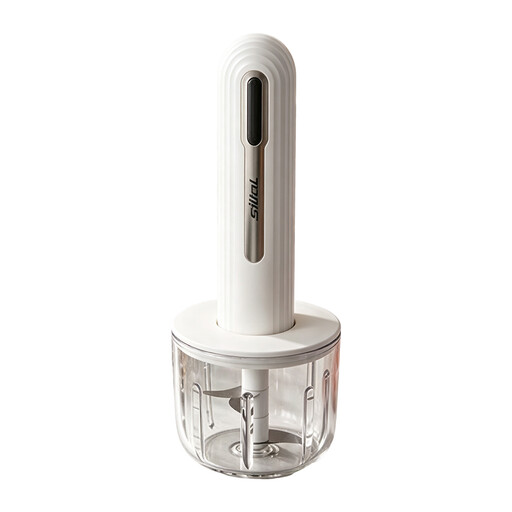 No image available
The description mentions small portions and short intervals; follow the instructions and avoid overfilling.
The title specifies a transparent bowl and cordless operation.
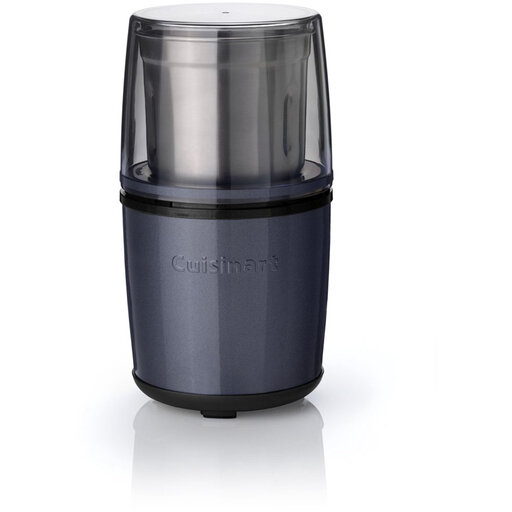 No image available
A removable bowl and push-button controls may be useful if you want to use the chopper for different workshop preparations.
The title specifies stainless steel blades and a dishwasher-safe bowl.
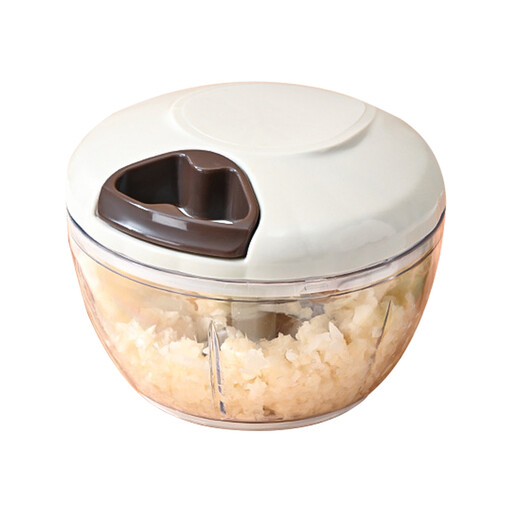 No image available
The manual pull-cord operation is an option if you want to chop at a workstation without a plug socket.
The title specifies a 500 ml capacity and stainless steel blades.
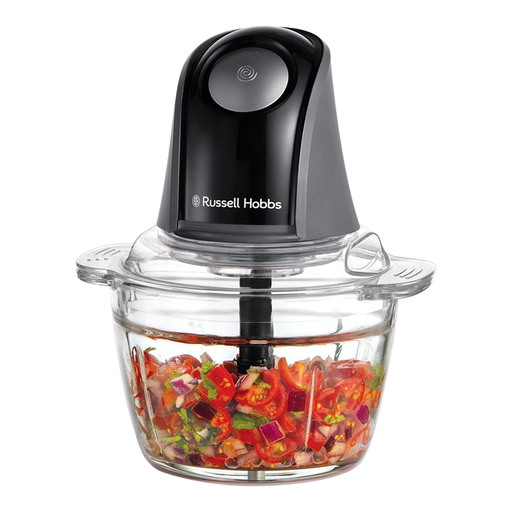 No image available
The title specifies one-button operation and 200 W; check the operating instructions for your intended preparation.
The title mentions dishwasher-safe parts, but that doesn’t mean every part is suitable for the dishwasher.
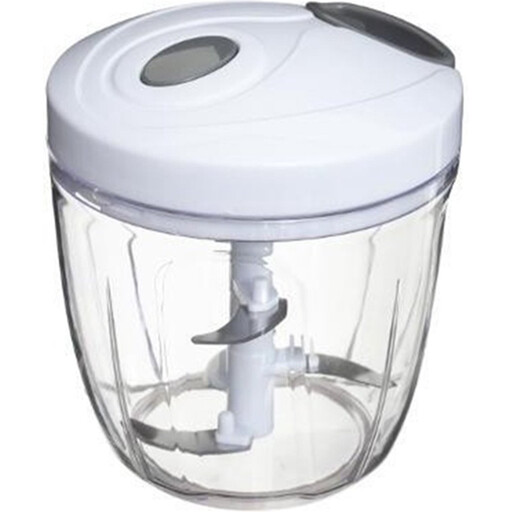 No image available
Manual operation may suit a workstation where you don’t want to use electricity.
The stated capacity is 900 ml. According to the product information, it must be washed by hand and is not dishwasher-safe.
Start with a small batch and stop after a few short pulls or pulses to check the texture. Tefal describes repeated pulls, while KitchenAid specifies a pulse function; neither guarantees a particular result with olives.
Follow the cleaning instructions for the exact model. The Netherlands Nutrition Centre advises using clean equipment and keeping raw and prepared foods separate. For the K1330404, Tefal specifically says the bowl and blades are dishwasher-safe; don’t assume this applies to the motor or other models.
No, there isn’t one fixed statutory warranty period for all appliances. According to the Netherlands Authority for Consumers and Markets’ ConsuWijzer, your statutory rights apply alongside any manufacturer’s or seller’s guarantee. With normal use, the product must meet what you could reasonably expect. If a product is faulty, the seller is responsible for providing an appropriate solution free of charge.
The description ‘cookery workshop’ alone doesn’t determine this. The Netherlands Food and Consumer Product Safety Authority sets out food safety plans and hygiene codes for businesses that prepare, process or sell food. The rules that apply depend on the activities; the information cited does not establish an automatic HACCP obligation for a private workshop.