
Vandaag of morgen in huis

Kwaliteit gegarandeerd

Welkomstaanbiedingen ontgrendelen: GRATIS bezorging | Tot 80% korting | Gratis 30 dagen JoyPlus-proefperiode
Download de app
A mini chopper can take a lot of preparation work off your hands. Onions, herbs, vegetables, nuts and sauces are ready faster, without having to get a large food processor out of the cupboard. However, not every kitchen chopper performs equally well in practice. Limited capacity, a blade that is difficult to clean or a motor that overheats quickly can significantly restrict how useful it is.
So don’t just focus on the wattage or an attractive offer. The right choice depends on your portion sizes, ingredients and available space.
With an electric chopper, a higher wattage naturally attracts attention, but it doesn’t tell you how much you can actually process at once. The shape of the bowl, the number of blades and the recommended operating time also play a part. A 500-watt appliance may be powerful, yet still have short operating cycles.
So check:
For example, the Kenwood Easy Chop CHP61 specifies that it may be used for a maximum of 30 seconds at a time, after which it must cool down for 2 minutes. This is relevant information if you want to prepare several portions one after another.
A chopper with stainless steel blades is generally practical for chopping soft vegetables, herbs and certain nuts. However, the material alone doesn’t determine how well it works. The position of the blades, the number of cutting edges and the distance from the base all affect how evenly ingredients are distributed.
Also pay attention to the difference between chopping, slicing, grating and puréeing. A vegetable slicer or onion slicer works differently from a food chopper with rotating blades. For slices or strips, you’ll usually need a slicing attachment; for pesto, dips or finely chopped onion, a chopper is more suitable.
An appliance made up of lots of small parts after use is less appealing for everyday cooking. Check whether the bowl, lid and blades can be removed and whether the product description says they are dishwasher-safe.
Always handle sharp blades with care. With an electric chopper, unplug it from the mains before removing or cleaning any parts. A locking mechanism, non-slip base and clearly marked maximum fill line are practical safety features.
A bowl holding 500 to 600 ml is suitable for small preparations such as herbs, dips, pesto, chopped onion or sauce for a few people. A model with an 830 ml or 1-litre capacity offers more room for families, but it also takes up more space on the worktop or in a kitchen cupboard.
Bear in mind that the bowl’s maximum capacity is not always the same as the recommended filling quantity. Some models also specify a particular filling weight. If necessary, divide hard or large ingredients into several portions.
An electric chopper with two speeds and a pulse function gives you more control over the texture. Short pulses are useful when you want a coarse chop; processing for longer can produce a finer mixture. Cut large ingredients into smaller pieces beforehand and don’t overfill the bowl.
A manual chopper works without electricity and is easy to store. The Alpina Manual Chopper Speedy is 10 cm long, weighs 210 grams and has a handle. According to the product description, this model is designed for ingredients including vegetables, herbs and nuts, and its parts may be washed in the dishwasher.
Measure the available space in your kitchen cupboard beforehand. Even a compact food processor may still be more than 25 cm high. Also check whether the bowl is made of plastic or glass. Glass is relatively heavy and, according to the Kenwood CHP62 product description, resistant to staining; plastic is often lighter.
A BPA-free bowl is frequently listed as a product specification. Also check whether this applies only to the bowl or to other parts as well. A CE mark indicates that, according to the manufacturer, the product meets relevant European requirements, but it does not replace careful use in accordance with the instructions.
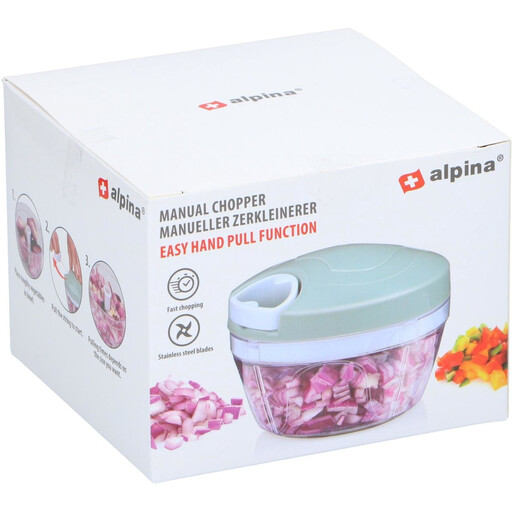
Why it suits this profile: This manual chopper is suitable for anyone who wants to chop small quantities of herbs, vegetables or nuts without electricity and has limited storage space.
You don’t pay for motor power you don’t need. The compact dimensions make its limited capacity clear from the outset.
Stainless steel material, ergonomic handle, weight of 210 grams and dishwasher-safe parts according to the product description.
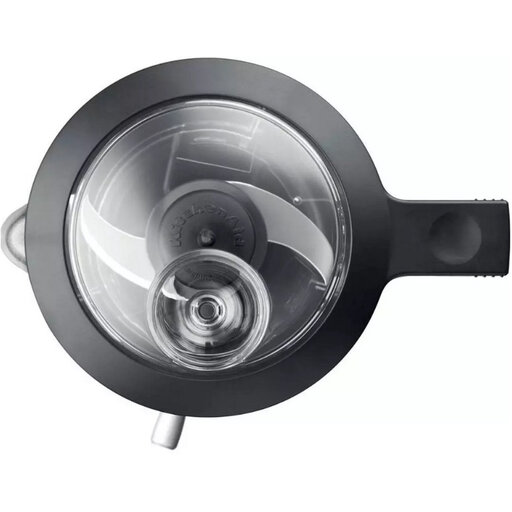
Why it suits this profile: This model combines an 830 ml bowl with two speeds and a pulse function for everyday preparations such as dips, dressings, sauces and herb mixes.
The pulse function helps prevent over-processing. The product description also mentions a BPA-free bowl and a removable blade.
830 ml capacity, 240 watts, stainless steel multifunction blade and two speeds with pulse control.
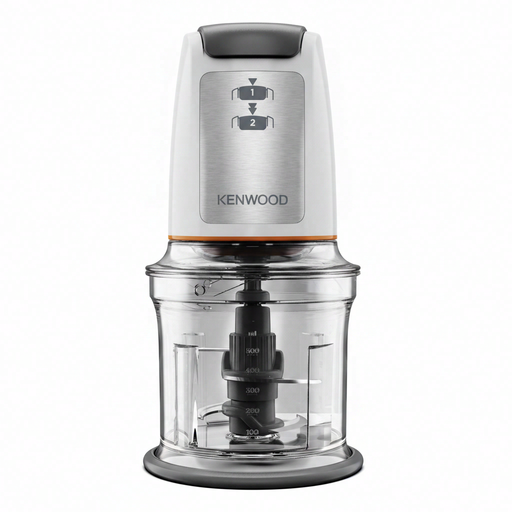
Why it suits this profile: With 500 watts, a 500 ml bowl and four stainless steel blades, this model is designed for a wide range of ingredients, including herbs, nuts, dips and certain hard foods.
The product description mentions an interlock safety system and overheat protection. The required breaks make intensive use easier to plan.
500 watts, four blades, two programmes, BPA-free parts according to the product details and a stated warranty period of 2 years.
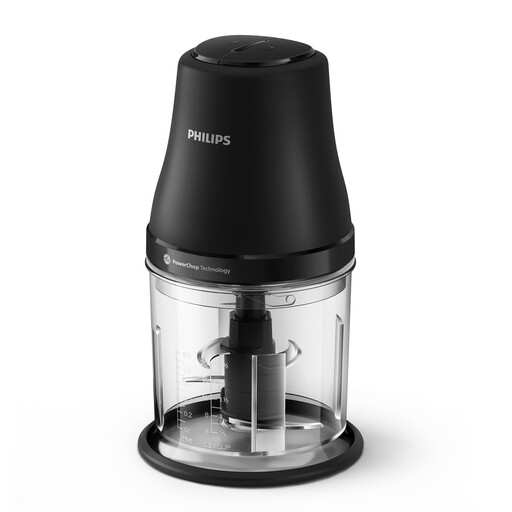
Why it suits this profile: The 1-litre bowl is practical for families and preparations such as guacamole, pesto, dips and sauces. The appliance remains relatively compact for everyday use.
The maximum fill marker, non-slip feet and removable parts support controlled use and easy cleaning. The product information recommends short cycles.
450 watts, 1-litre capacity, two speeds plus pulse function, stainless steel blades and dishwasher-safe removable parts according to the product description.
We’ve put together a complete, up-to-date list of products that fully meet these strict selection criteria and the applicable European safety regulations.
This varies by model and ingredient. Always check the product description and user manual. Some electric models are described as suitable for meat, but bowl capacity and operating time may be limited. Cut the meat into small pieces and don’t process more than the permitted quantity.
A manual chopper uses no electricity and is suitable for small quantities. An electric version requires power, but it can work faster and is more convenient for regular use or harder ingredients. The actual cost per use depends on the wattage, operating time and your energy tariff; with short cycles, it generally remains limited.
Its lifespan depends on cleaning, storage, correct filling and following the maximum operating time. Allow the motor to cool down when instructed to do so in the manual, and don’t use a damaged bowl, cable or blade. Before buying, also check the warranty terms and the availability of replacement parts.
