Choose a chopper based on how much celery you can process at a time, not just its stated bowl capacity. A compact manual chopper may suit small batches and chopping without a plug socket, but you may need several rounds for a large pan. Tefal, KitchenAid and Philips offer different controls and bowl sizes, but the stated bowl capacity does not automatically tell you how much you can usefully chop.
Choppers on Joybuy
This selection includes compact manual and electric choppers for small portions. Check the capacity and controls of each model to see whether they suit the amount of celery you need for your pan.
 No image available
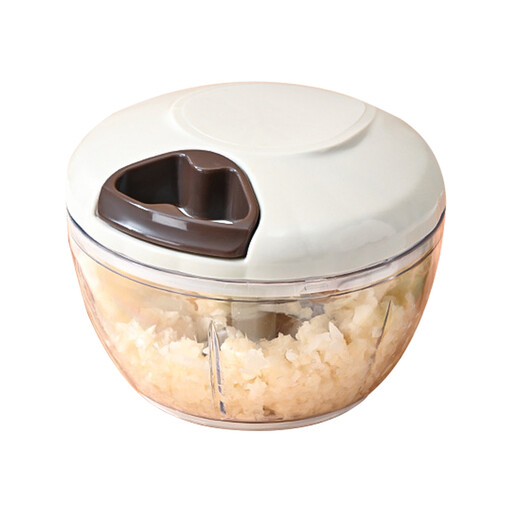
Huacan manual pull-cord chopper, 500 ml
The pull-cord control is designed for chopping ingredients with repeated pulls; check the texture as you go.
The product name states a capacity of 500 ml and stainless steel blades. The parts are designed to be washed by hand.
Joybuy
 No image available
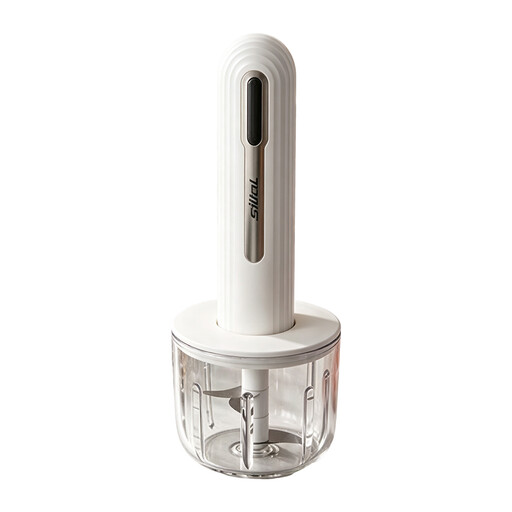
Cordless electric mini chopper
The product description mentions cordless operation and processing small portions; the transparent bowl lets you see how it’s chopping.
The removable parts should be cleaned by hand. According to the product information, the appliance is not designed for bones, ice or hot ingredients.
Joybuy
 No image available
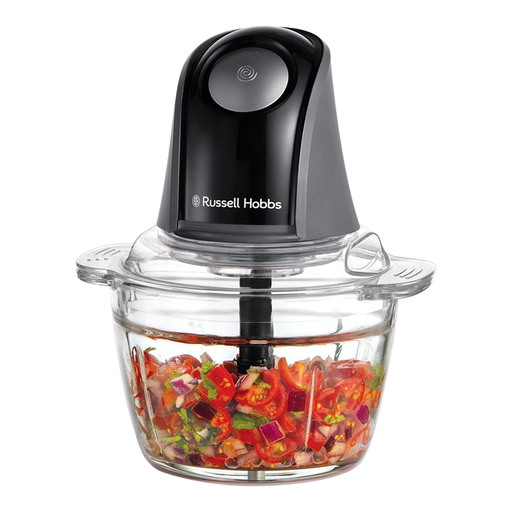
Russell Hobbs 24662-56 mini chopper
The large control button lets you set the chopping time, so you can check the size of the pieces as you go.
The stated usable filling capacity is 500 ml; larger quantities may need to be processed in several rounds. The description lists a glass bowl with a lid and dishwasher-safe parts.
Joybuy
 No image available
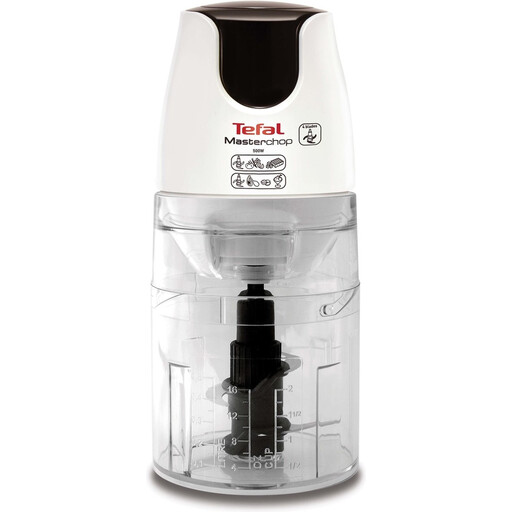
Tefal Masterchop MB450B, 500 W, 500 ml
The product description mentions operation by pressing down on the top and measurement markings on the bowl.
The stated usable bowl capacity is 500 ml, so a larger quantity may need to be processed in several rounds. According to the product description, the bowl, lid and blades are dishwasher-safe.
Joybuy
 No image available
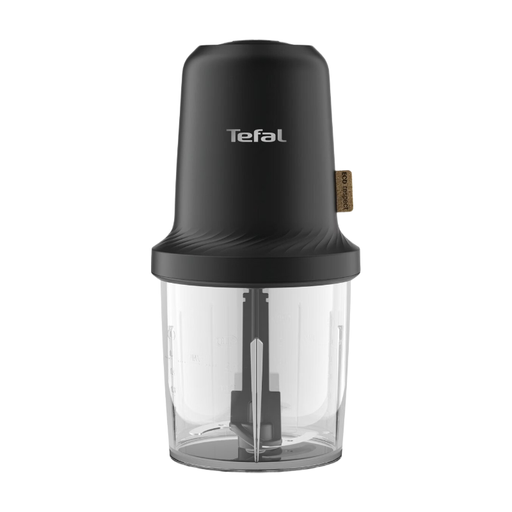
Tefal MQ80E838 Eco Respect, 0.5 litres, 500 W
The description mentions chopping, stirring and mixing; for solid ingredients, it lists a quantity of up to 300 g.
Keep your portions of solid ingredients within that stated quantity. Don’t pour boiling liquids into the bowl.
Joybuy
Frequently asked questions
Should I prepare celery or celeriac first?
Wash the celery under running water. In one recipe, the Voedingscentrum cuts celery stalks into thin strips; for a recipe using celeriac, it is first peeled and diced. Also follow your chopper’s instructions for use.
Can I put the whole manual chopper in the dishwasher?
Not without checking the instructions for each part first. For the K1330404, Tefal states that the bowl and rotor can be cleaned by hand or in the dishwasher, while the lid should be cleaned with a damp sponge or cloth. Follow the instructions for the exact model and part.
How can I stop the celery becoming too finely chopped?
Choose a model that lets you pause after short bursts of chopping and check the pieces as you go. KitchenAid lists a pulse setting for the 5KFC3516ECU; for the Tefal K1330404, Tefal describes repeated pulls. The texture you want depends on how you plan to use the celery in your soup.
How can I tell how much celery will fit in the chopper at a time?
Check the chopping or filling capacity of the exact model; bowl capacity isn’t always the same as the amount you can chop. For example, Philips lists a 0.7-litre bowl and a chopping capacity of 0.5 litres for the HR1393/00, HR1393/01 and HR1393/90. Don’t use these figures as a guide for other models.
Can I return a chopper I ordered online?
According to ACM ConsuWijzer, consumers usually have a cooling-off period of up to 14 days after delivery for online purchases, although there are legal exceptions. Check the terms that apply to your order. The cooling-off period is separate from your statutory rights if a product is faulty.


