
Making small portions of fruit
You’re puréeing fruit for lolly moulds and want to avoid using a large jug for a small amount. The Consumentenbond describes smoothie blenders as appliances with a small blending cup.


If you’re puréeing fruit and then freezing it in lolly moulds, a hand blender may be all you need. A compact blender is handy if you’d rather use a dedicated blending cup. Choose based on your portion size and how many parts you want to clean, and check the instructions for the exact model if you want to blend frozen ingredients.
You’re puréeing fruit for lolly moulds and want to avoid using a large jug for a small amount. The Consumentenbond describes smoothie blenders as appliances with a small blending cup.
You sometimes want to process frozen ingredients, and know that this is different from puréeing fresh fruit and freezing the mixture afterwards. The Voedingscentrum’s method for fruit lollies involves puréeing the fruit before freezing it.
You regularly make small portions, so you pay attention to the cup, removable parts and cleaning. Check which parts can be detached for each model and how the manufacturer recommends cleaning them.
Choose this option: if you want to purée fruit in a suitable cup of your own and don’t need a separate blender cup. The Voedingscentrum uses a hand blender to purée fruit for lollies.
Keep in mind: the cup and attachments supplied vary by model and version, so check what’s included in the box.
Choose this option: if you’d rather blend in a dedicated, sealed cup. Small blending cups are available with smoothie blenders, according to the Consumentenbond.
Keep in mind: the cup and blades need cleaning after use. A small capacity doesn’t guarantee that every small portion will blend well.
| What to consider | What to look for | Who should pay particular attention? |
|---|---|---|
| Small portions | Compare your recipe size with the cup’s usage instructions and check what’s included with the model. | If I’m only making a small amount, I want to know whether the cup and blade arrangement are suitable. Around 36% of consumers put small portions at the top of their list of buying concerns. |
| Ingredients and texture | Distinguish between fresh and frozen fruit, and follow the instructions for the exact model when using your chosen ingredients. | If you sometimes want to process frozen fruit, check whether the appliance is designed for it. Around 29% of consumers prioritise how ingredients are processed and the texture they want. |
| Cleaning | Check which cups, blades and attachments can be detached, and which parts the manufacturer says are dishwasher-safe. | If I often make small portions, I don’t want to have more parts to clean than necessary afterwards. Around 21% of consumers put easy cleaning at the top of their list. |
| Features you need | Compare the things you actually want to make with the accessories and features of the exact model. | If you want to use the appliance for other preparations too, consider which extra features will genuinely come in handy. Around 14% of consumers prioritise versatility and weigh up whether they need extra features. |
Puréeing fruit before freezing it is different from processing ice cubes or frozen fruit. The Consumentenbond assesses smoothie-making and ice-crushing as separate blender tests.
First, work out whether your ingredients will be frozen when you blend them, then check the instructions for the exact model.
Motor power or maximum capacity alone won’t tell you how well a specific small amount will blend.
Check the instructions for the smallest amount you want to prepare and the ingredients you’ll be using.
The parts supplied and cleaning instructions can vary between models and versions.
Before buying, compare the full model code, the cup and blades supplied, and the cleaning instructions.
The MultiQuick 5 MQ 535 Sauce is a hand blender set supplied with a measuring jug and accessories.
Philips describes the HR2670/01 as a Blend & Go model with a dedicated cup.
The VitaPower Serie 2 MMB2111S is a smoothie blender that, according to Bosch, blends directly into a To Go bottle.
The Original 600 NB606DG is described as coming with two cup sizes and a blade set.
The Blend Up BL19H4F0 is a compact blender with programmes and two bottles.
This selection includes hand blenders and compact blenders for preparing small amounts of fruit. Check whether frozen ingredients are suitable for each model.
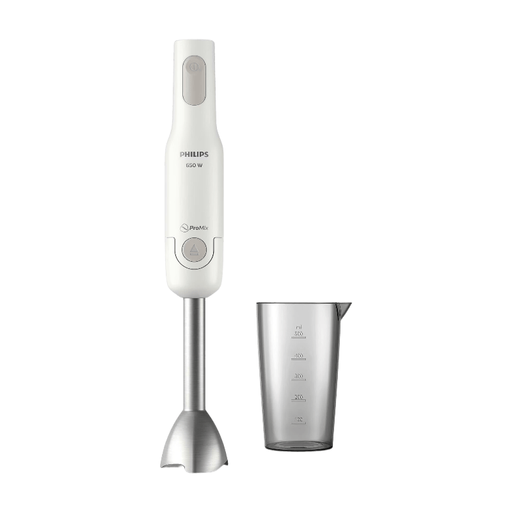 No image available
A hand blender with a measuring jug for anyone who wants to purée small portions of fresh fruit.
650 W. The product information lists detachable, dishwasher-safe parts. According to the product information, this model isn’t designed for ice cubes or frozen ingredients.
 No image available
A compact blender for anyone who wants to blend a small portion in a dedicated cup.
Capacity: 0,6 litres; power: 350 W. The product information lists two speeds, a pulse function and detachable, dishwasher-safe parts.
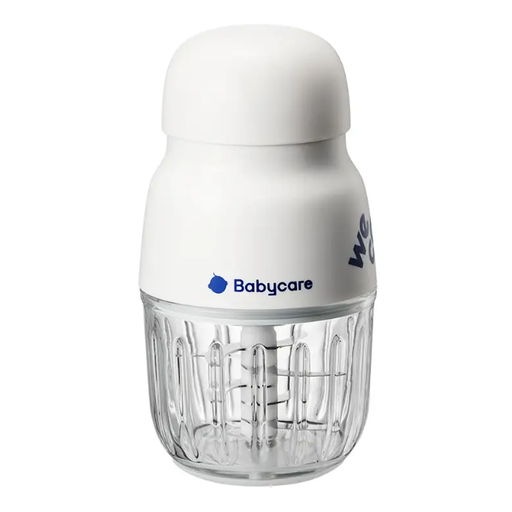 No image available
A compact option for anyone who wants to purée a small portion.
The bowl is listed as 10 fl oz; the product information specifies glass and stainless steel.
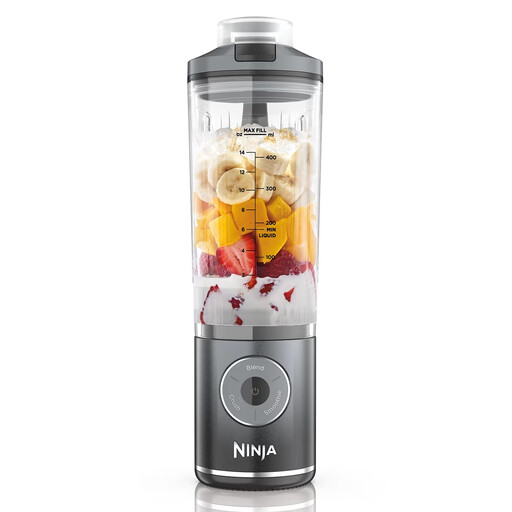 No image available
A portable blender for anyone who wants to prepare small portions in cups.
The product information lists two 530 ml cups, rechargeable operation, one-button control and dishwasher-safe parts.
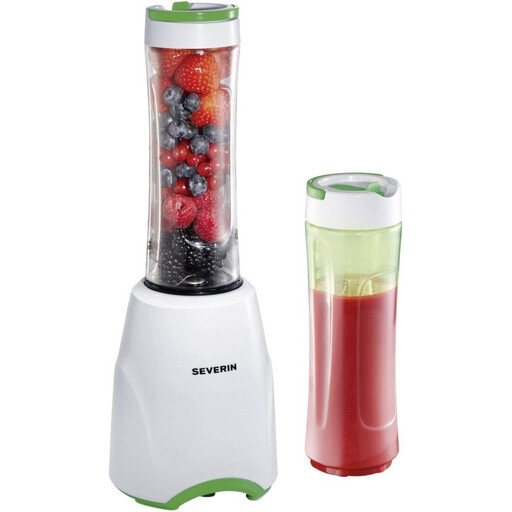 No image available
A compact smoothie maker for anyone who wants to prepare a smaller amount of fruit.
Capacity: 0,60 litres. The product information lists two removable drinking cups and dishwasher-safe parts.
No, you don’t need a separate blender. The Voedingscentrum describes a recipe where you purée fruit with a hand blender or food processor, then freeze it. A compact blender may suit you if you’d rather use a dedicated blending cup or want to make other preparations too.
No, puréeing fresh fruit before freezing it is different from processing frozen ingredients. The Consumentenbond tests smoothie-making and ice-crushing separately, so check the instructions for your exact appliance before using frozen fruit or ice cubes.
Wash fruit that needs washing under running water, as advised by the Voedingscentrum, and clean the appliance parts according to the model’s instructions. Only the parts specified by the manufacturer are dishwasher-safe.
According to the Rijksoverheid, you’re entitled to a product that works properly. If a product is faulty, you may be entitled to a free repair, replacement or refund. There’s no fixed statutory warranty period in the Netherlands. Damage caused by misuse or normal wear and tear isn’t automatically covered by these rights.
According to the Dutch government, manufacturers and traders must comply with the European safety rules that apply to the electrical appliance. Whether CE marking is compulsory for a particular model depends on the product rules that apply; a CE marking isn’t an independent product test.