
For coffee-break shoppers
You’re looking for a small biscuit to serve with coffee or tea, perhaps in a shop or reception area. Consider whether you want to offer one to each guest or put the biscuits out on a platter.


Choose individually wrapped mini biscuits if you want to offer each guest one with their coffee or tea; a sharing pack is better for a platter that people can help themselves to. Then decide how much you’ll actually serve: a small biscuit doesn’t automatically count as one portion. If you’re serving guests, always check the ingredients and allergens on the current packaging.
You’re looking for a small biscuit to serve with coffee or tea, perhaps in a shop or reception area. Consider whether you want to offer one to each guest or put the biscuits out on a platter.
You want to share small biscuits or hand them out in set quantities. Compare the stated serving size, number of servings and nutritional information per serving, rather than looking only at the size of each biscuit.
You’re buying for yourself, staff or guests who need to know about ingredients and allergens. Check the current packaging, even if you’ve bought the product before.
First, decide how you want to serve the biscuits. Then compare the portion information and product labels for options that suit the occasion.
| What to consider | What to check when buying | Who it matters to |
|---|---|---|
| Presentation with coffee | Check whether the biscuits are individually wrapped or come in a sharing pack, and whether that serving style suits your coffee break. | When serving coffee or tea in my shop, I want to be able to offer each guest a small biscuit neatly. For around 24% of consumers, presentation comes first. |
| Portions and sharing | Compare the serving weight and the number of servings or biscuits in the pack. | If I’m putting biscuits out on a platter, I want to decide in advance how many to hand out at a time. For around 29% of consumers, portioning is the main consideration. |
| Ingredients and allergens | Read the ingredients list, the allergens listed and any warnings on the current packaging. | When I’m buying for guests with a food allergy, I need to be able to make my choice based on the label. Ingredients and allergens are the top priority for around 29% of consumers. |
| Type and packaging | Compare the type of biscuit, net weight and number of pieces, if stated. | I want to assess mini stroopwafels and mini biscuits as different products and choose a suitable pack size. For around 18% of consumers, this comparison comes first. |
A small size doesn’t tell you how many biscuits make up the stated serving. Jumbo lists 24 g and 111 kcal per serving for its Mini Stroopwafels met Roomboter, with around 12 servings in a 300 g pack.
Decide in advance how many grams or pieces you’ll serve per guest, and use the nutritional information for the product you’re actually buying.
A vegan label doesn’t mean a biscuit is free from allergens. The Lotus Biscoff variant with speculoos cream described by Jumbo lists wheat and soya, among other ingredients, and may contain milk.
Check the ingredients, allergens and warnings on the current packaging every time you buy, especially if you’re buying for others.
Ingredients and packaging can change. A size you’ve seen before may no longer be available either; Jumbo no longer lists its individually wrapped Mini Stroopwafeltjes, 18 x 8 g, as available online.
Check the current product before buying, and read the packaging when it arrives before handing out the biscuits.
Jumbo describes its filled Lotus Biscoff sandwich biscuit as a treat to serve with coffee in places such as offices and cafés.
Jumbo sells products including Mini Stroopwafels met Roomboter in a 300 g pack.
ALDI’s own-brand Biscotto range includes various types of biscuits, including mini stroopwafels in a 300 g pack.
Lidl describes Sondey as a range that includes biscuits, cookies and waffles.
This selection includes mini biscuits for a coffee break or sharing, as well as a 3 x 77 g option for individual treats. Compare the pack with the quantity you want to offer each guest.
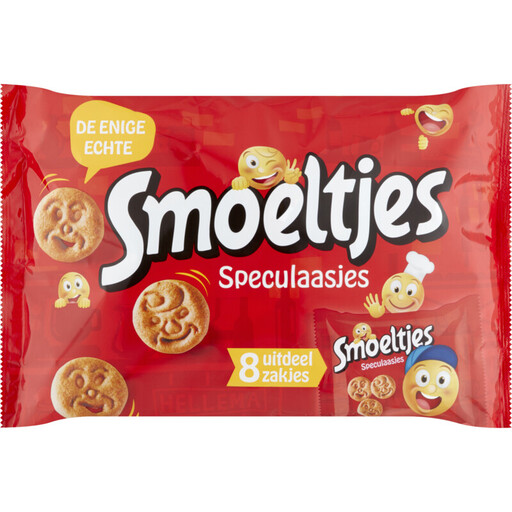 Image unavailable
A speculaas-style biscuit to serve in smaller quantities with coffee or tea.
The pack contains 8 pieces and weighs 200 g. Check the label to decide how many you want to serve at a time, and check the allergens before offering them to guests.
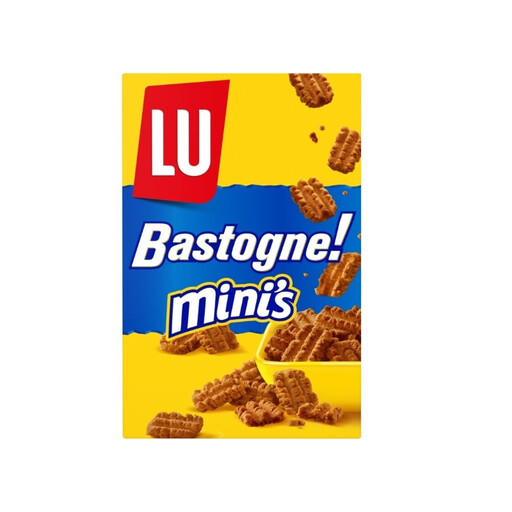 Image unavailable
A mini biscuit to serve from a sharing pack with coffee or tea.
The pack contains 160 g. Decide how much to serve at a time by checking the label, and read the allergen information if you’re buying for others.
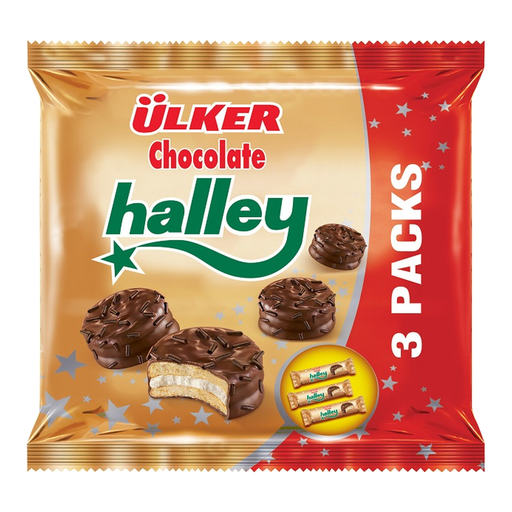 Image unavailable
A mini biscuit option for individual treats or a snack on the go.
The stated pack size is 3 x 77 g. Check the packaging to see how many biscuits to serve at a time and which allergens are listed.
Read the ingredients, allergens, quantity, best-before date and nutritional information for the product you want to serve. The Netherlands Food and Consumer Product Safety Authority emphasises that allergens must be clearly listed on the label of pre-packed foods.
No, the stated serving may contain more than one biscuit. For example, Jumbo lists 24 g and 111 kcal per serving for its Mini Stroopwafels met Roomboter. Check the serving size for your product and how many pieces you’re handing out.
Follow the storage instructions on the packaging of the biscuits you’ve chosen. Jumbo says its Mini Stroopwafels met Roomboter should be stored in a cool, dry place; don’t assume the same advice applies to other products.
No, check the current packaging every time you buy. Albert Heijn points out that ingredients and allergen information can change, so an old product page or previous pack isn’t enough when you’re choosing for guests.