
Vandaag of morgen in huis

Kwaliteit gegarandeerd

Welkomstaanbiedingen ontgrendelen: GRATIS bezorging | Tot 80% korting | Gratis 30 dagen JoyPlus-proefperiode
Download de app
Buying mineral water seems straightforward until you have to choose between still or sparkling water, small bottles, large bottles or an Eco Pack. Terms such as “natural”, “pure” and “suitable for preparing baby food” can also be confusing. The packaging and product description do not always immediately tell you what is practical for your situation.
Pay particular attention to three common pitfalls:
Still mineral water contains no added carbon dioxide. This makes it suitable for everyday use, cooking and situations where you do not want fizzy water. Sparkling mineral water contains naturally occurring or added carbon dioxide and is often served chilled with meals.
Check the ingredients list. Sourcy Red Sparkling, for example, states “natural mineral water, added carbon dioxide”. Spa Intense is described as sparkling natural mineral water with carbon dioxide. This information is more relevant than a general description on the front of the packaging.
Look at the analysis per litre rather than relying solely on marketing text. A lower sodium content may be important for consumers who are limiting their sodium intake. Low-sodium mineral water, however, is not a medical recommendation; if you are unsure about specific dietary choices, discuss them with a doctor or dietitian.
Spa Reine Still Eco Pack, for example, lists approximately 3 mg of sodium per litre, 5 mg of calcium and 2 mg of magnesium. Spa Intense lists approximately 5 mg of sodium per litre. According to the product information, Bar-le-Duc contains around 10.6 mg of sodium per litre, 47 mg of calcium and 170 mg of bicarbonate. These figures show why comparing labels is useful.
For families and use at home, 1.5-litre mineral water and 2-litre bottles are often practical. A bottle needs replacing less frequently, but takes up more space and is heavier. 500 ml mineral water fits more easily in a bag, car, meeting room or sports club.
A mineral water multipack is convenient for offices, hospitality and catering. Work out how many litres you actually need in advance and check the best-before date. Store bottles or cartons in a cool, dry place away from direct sunlight. Once opened, the packaging should be sealed properly and stored according to the instructions on the label.
Some brands state that their water is suitable for preparing baby food. This applies, for example, to certain Spa Reine and Bar-le-Duc packs. Do not treat this as a general characteristic of all mineral water. Always check the current packaging and follow the manufacturer's instructions and the guidance for preparing baby food.
Hygiene is particularly important with a large Eco Pack. Do not touch the tap or opening, use a clean container and do not reuse the packaging. Do not use packaging that is damaged, leaking or swollen. If you are unsure about using water for baby food, ask your health visitor or another healthcare professional for advice.
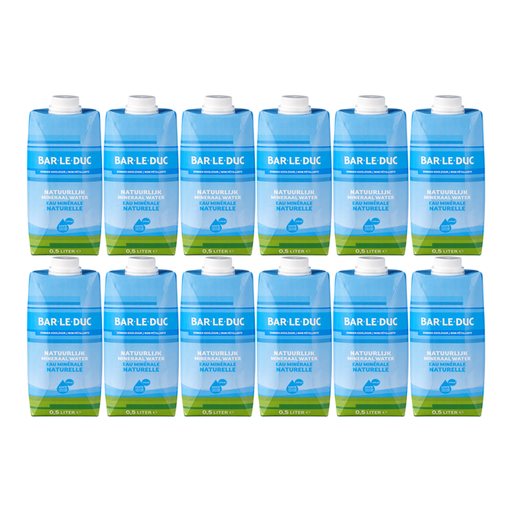
Why it suits this profile: The 12 500 ml bottles are easy to distribute between work, school, the car or a day out.
You can immediately see the number of bottles and the total volume of 6 litres, making it easier to compare the price per litre.
500 ml per bottle; 12-bottle multipack; according to the product information, no declared EU allergens.
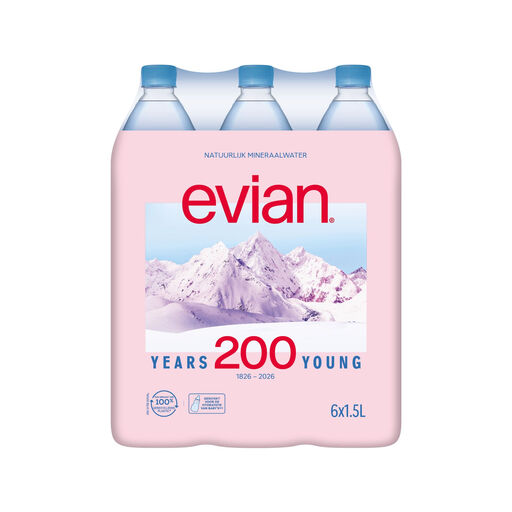
Why it suits this profile: The larger bottles are ideal for households stocking up on mineral water for meals and everyday use.
The packaging states that it contains 6 bottles of 1.5 litres, so you are not buying a small format with relatively more packaging per litre.
9 litres in total; mineral analysis including 80 mg of calcium and 6.5 mg of sodium per stated unit.
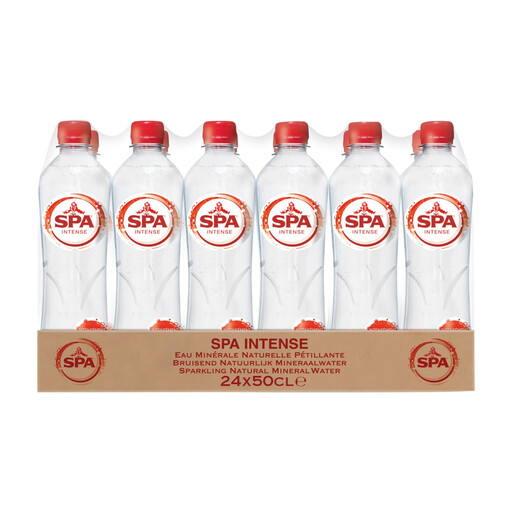
Why it suits this profile: The small sparkling water bottles are designed for serving chilled, use on the go, offices and catering.
The product description explicitly states the sparkling type, size and low mineralisation, so you do not have to rely on a general claim on the front of the packaging.
24 PET bottles of 500 ml; sparkling natural mineral water; approximately 5 mg of sodium per litre according to the product information.
We have put together a complete, up-to-date list of products that fully meet these strict selection criteria and the applicable European safety regulations.
If you are looking to buy coconut water, you are comparing a different type of product. Coconut water is not mineral water and may contain added sugar or fructose. Therefore, check the percentage of coconut water and the ingredients list.
According to the product information, Vita Coco contains 99% coconut water and a little fructose. DOUBLE PANDA lists coconut water with cane sugar in packs of 12 × 1 litre, aimed at families, offices and hospitality businesses. FOCO is available in 330 ml and 500 ml sizes. Depending on the product, an unopened pack can be stored outside the fridge; once opened, follow the instructions on the label.
That depends on the offer and the size. Always compare the price per litre, the total volume and the number of packs. A 24-pack may look large, but it can contain fewer litres than six 1.5-litre bottles.
For home use, 1.5 and 2 litres are often convenient. For travelling, sport, school and meetings, 500 ml is easier to carry. For an office or hospitality business, a multipack containing several small bottles may be more practical than a few large bottles.
For unopened water, follow the best-before date on the packaging. Store the water in a cool place away from direct sunlight. Once opened, seal the bottle or carton securely and store it according to the manufacturer's instructions. With an Eco Pack, it is important to keep the opening clean and not refill the packaging.
