
Vandaag of morgen in huis

Kwaliteit gegarandeerd

Welkomstaanbiedingen ontgrendelen: GRATIS bezorging | Tot 80% korting | Gratis 30 dagen JoyPlus-proefperiode
Download de app
Mineral water might seem like a straightforward product, but the difference between still, sparkling, flavoured and mineral-rich water can be significant. For a family, office or catering business, the size, packaging and price per litre also matter.
If you only look at the brand name or a flashy label, you could fall into some common traps. For instance, a small can often works out expensive per litre, sparkling water can be less practical for long-term storage, and the term "mineral-rich" doesn't automatically mean it suits your preference for a low sodium content.
Not every product labelled "mineral water" is still mineral water. In sparkling mineral water, carbonation may be naturally present or added. Always check the product name and ingredients list.
For example, Sourcy Red Sparkling is described as natural mineral water with added carbon dioxide. Spa Intense is also a sparkling variety. Sparkling mineral water can be lovely with a meal, whereas still mineral water is often more convenient for daily drinking, cooking or taking in a sports bottle.
Spa Reine, Evian and Sourcy are well-known names, but the composition and packaging vary from product to product. So, compare the verifiable information on the label:
According to Spa Reine's own product information, the variant with a sports cap contains 3 mg of sodium per 100 ml. The "low sodium" claim is therefore based on the published product specification, not just on brand positioning.
A multipack of mineral water bottles might look cheaper than individual bottles, but that depends on the total volume. Always convert the price to a price per litre. For example, a pack of 24 × 330 ml contains 7.92 litres. A pack of 12 × 500 ml contains 6 litres.
Mineral water cans are often handy for on the go, in the office or at events. They take up little space after use and are easy to serve in individual portions. For home use, however, larger bottles can be more practical.
First, choose between:
With flavoured varieties, pay extra attention to the ingredients and nutritional information. According to the product information, Beypazari Limonlu Soda contains mineral water, carbon dioxide and natural lemon flavour, among other things. The stated nutritional value is 26 kcal and 6.5 grams of sugar per 100 ml. This makes it quite different from unsweetened sparkling water.
The mineral content affects the taste. A low dry residue indicates a lightly mineralised composition, while a higher content often gives a more pronounced flavour.
If you're specifically watching your sodium intake, the figures on the label are more important than general marketing claims. Spa Reine Still states 3 mg of sodium per 100 ml, while Evian Natural Mineral Water states 6.5 mg of sodium per litre. Always check the unit: values per 100 ml and per litre are not directly comparable without conversion.
A product with a low sodium content is not automatically suitable for every personal dietary situation. If you're following a medically supervised diet, it's wise to check the label and follow professional nutritional advice.
For mineral water on the go, 330 ml cans or 500 ml bottles are easy to share out. A 750 ml bottle with a sports cap can be handy during your commute, while walking or exercising. For families and offices, multipacks of 12 or 24 are usually more efficient.
Also check:
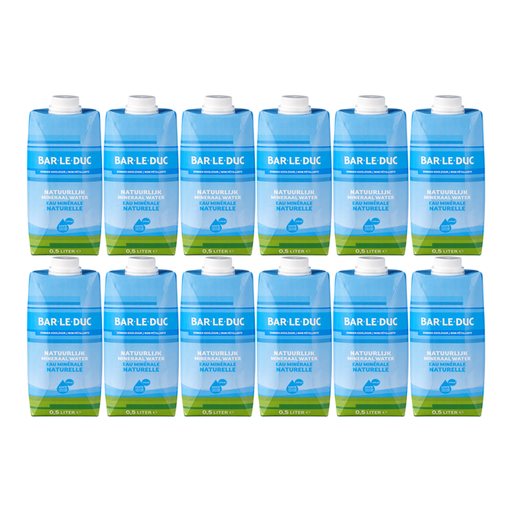
Why this fits the profile: The pack of 12 x 500 ml bottles offers a manageable quantity for daily use, without committing to a very large stock straight away.
The fixed bottle size makes it easier to calculate the contents and price per litre in advance.
12 × 0.5 litres; suitable for individual portions and shared use.
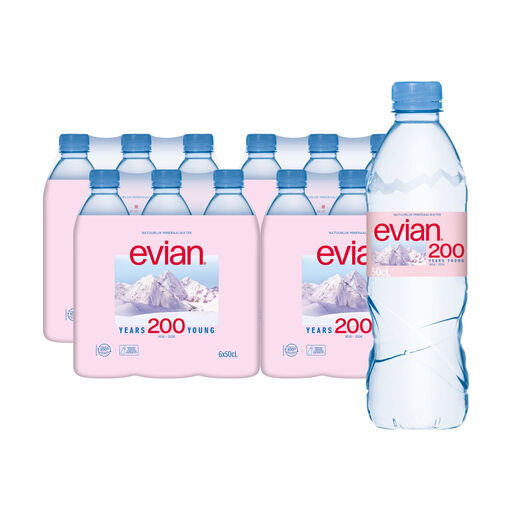
Why this fits the profile: The standard 500ml pack is ideal for stocking up at home, in the office or in catering settings where a recognisable size is preferred.
The product information lists the full mineral composition, so you don't have to rely on the brand name alone.
24 × 500 ml; according to the product data, 80 mg calcium, 26 mg magnesium and 6.5 mg sodium per litre.
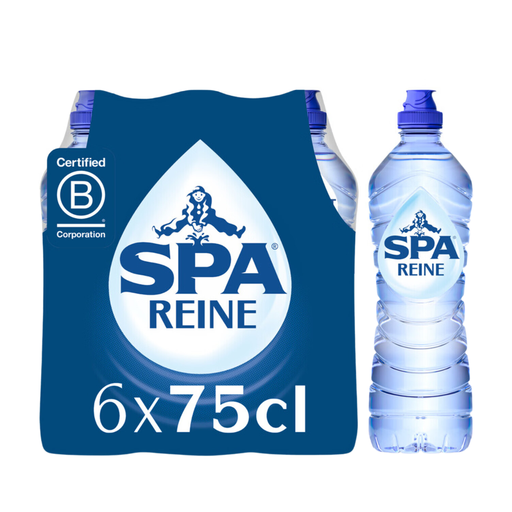
Why this fits the profile: The 750 ml bottle with a sports cap is practical for on the go, during a working day or for activities where you open the bottle frequently.
The size and sports cap are designed for use on the move; the stated mineral values help with an informed choice.
6 × 750 ml; sports cap; according to the product data, 3 mg sodium per 100 ml.
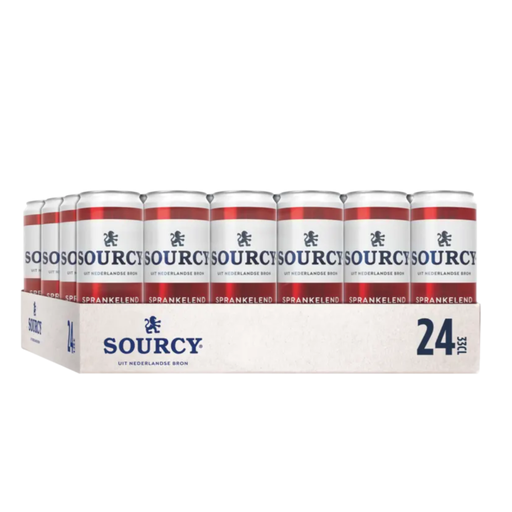
Why this fits the profile: The 330 ml can format is ideal for meetings, events, lunchboxes and short journeys.
The portion size prevents you from having to open a large bottle when a smaller amount is all you need.
24 × 330 ml; sparkling; can packaging; according to the product information, 10 mg sodium per litre.
We've put together a full, up-to-date list of products that fully meet these strict selection criteria and comply with current European safety regulations.
According to the product category, natural mineral water comes from a protected underground source and has a distinctive mineral composition. Check the official name and the composition on the label. "Mineral water" in marketing text alone is not a reason to choose a product.
Unopened bottles and cans have a best-before date on the packaging. Store them in a cool, dry place away from direct sunlight. Once opened, mineral water should generally be kept refrigerated and used within the stated period, according to the product information. If the seal is damaged, it's best not to use the product.
That depends on the multipack and size. Calculate the price per litre by dividing the total price by the number of litres. Cans can work out more expensive per litre, but they do offer a fixed portion and are convenient for on the go, the office or catering. For families who use a lot of water, larger multipacks of bottles are often more practical.
