
当日/次日达

品质保障

开启新人专享福利: 全场免邮 | 低至 2 折 | 免费试用 30 天 JoyPlus 会员
下载 Joybuy
Mineral water may seem like a simple purchase, but products vary considerably in composition, carbonation, packaging and size. A single bottle for when you’re out and about has different requirements from a multipack for an office or a larger pack for a family.
If you only look at the brand name or an eye-catching label, you may end up paying for features that don’t suit your needs. Instead, focus on the verifiable information on the label and product page.
Not every product labelled “mineral water” is still. Some varieties contain natural carbonation or added carbon dioxide. This affects the taste, how you use the water and whether it’s suitable for things such as preparing baby food.
So check whether you’re choosing:
For example, the supplied product information states that Bar-le-Duc water contains carbon dioxide. Several Spa Reine packs, on the other hand, are described as natural mineral water with no carbonation. If the information is inconsistent, always check the label on the bottle or packaging.
A low sodium content may be relevant if you’re keeping an eye on your intake. However, it isn’t a general health claim and doesn’t replace personalised dietary advice.
Compare the sodium content per litre:
These figures come from the available product information. If you’re following a medically supervised diet, it’s best to follow the label and advice from your healthcare professional.
A small bottle may seem inexpensive, but it can cost more per litre than a mineral water multipack with 1 or 1.5-litre bottles. On the other hand, an EcoPack containing 5 or 10 litres isn’t always practical if you have limited space or need to carry the water around often.
So work out the price per litre and consider:
Labels often list values for calcium, magnesium, sodium, bicarbonates, sulphates and nitrates. Always check whether the unit is mg/l or mg per 100 ml. These figures aren’t directly comparable.
For a choice with a low mineral content, Spa Reine lists, among other things:
According to the product information, Evian has a different composition, including 80 mg/l calcium, 26 mg/l magnesium and 360 mg/l bicarbonates. This doesn’t automatically mean one variety is more suitable for everyone than another. It mainly shows that the composition of natural mineral water varies from one source to another.
1.5-litre mineral water is handy for home, families and sharing. Bottles of 500 ml or 750 ml are easier to carry, but mean more packaging per litre.
Examples from the range:
Store mineral water in a cool, dry place away from direct sunlight. After opening, the packaging should be closed securely and kept refrigerated, according to the product information. Don’t use a bottle or EcoPack if the seal is broken, the packaging is leaking or it’s damaged.
Hygiene is especially important with larger packs. Don’t touch the tap with your hands or kitchen utensils, and follow the instructions on the packaging.
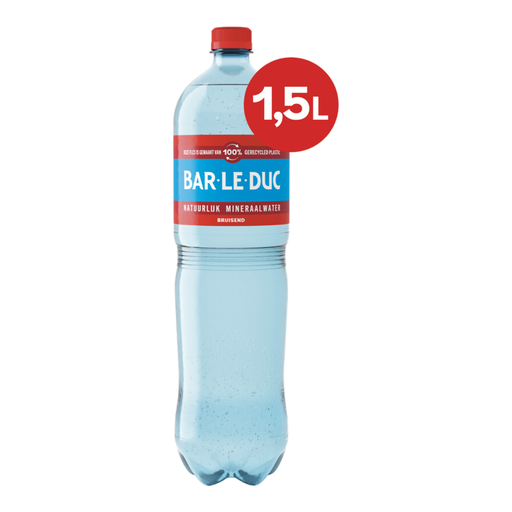
Why it suits this profile: A convenient size for home use and a practical introduction to sparkling mineral water.
The product information clearly states that this is natural mineral water with added carbon dioxide, in a 1.5-litre bottle. That way, you know what you’re buying instead of relying on the brand name alone.
1.5 litres per bottle, a sodium content of 10.6 mg/l and, according to the product information, a bottle made from 100% recycled plastic.
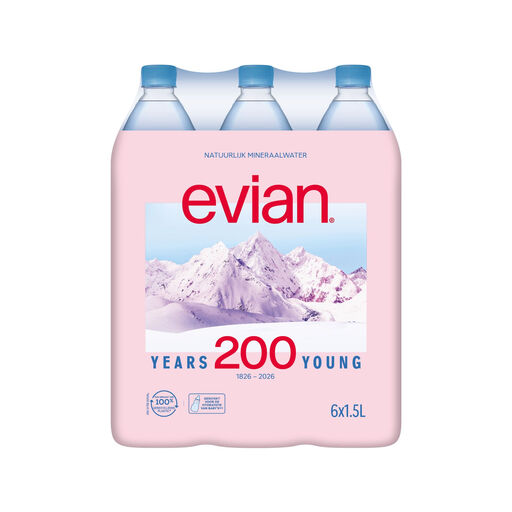
Why it suits this profile: A multipack of large bottles for families, shared use and offices where keeping supplies in stock matters.
The total volume is clear upfront: six 1.5-litre bottles. This makes it easier to work out the price per litre and how much storage space you’ll need.
According to the product information: 80 mg/l calcium, 26 mg/l magnesium and 6.5 mg/l sodium. A practical pack for keeping in stock.
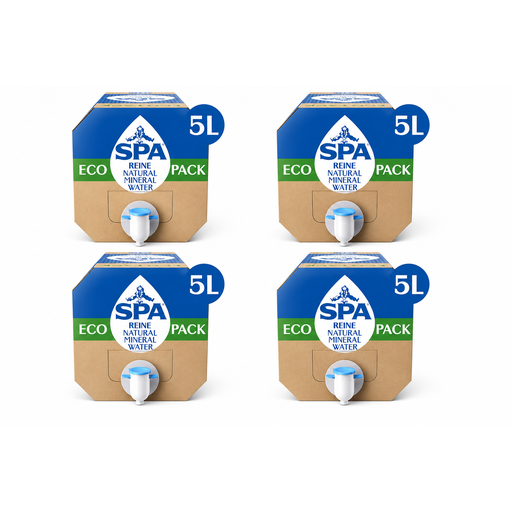
Why it suits this profile: A large volume for families, workplaces or regular use, where individual bottles are less practical.
Four 5-litre packs make the total volume clear. Be sure to store the EcoPacks in a cool place and handle them hygienically after opening.
According to the product information, each litre contains 3 mg sodium, 5 mg calcium and 2 mg magnesium. The pack is designed for high-volume use.
According to the product information, several products in the range are described as suitable for preparing baby food, including Spa Reine and Bar-le-Duc. This doesn’t mean that every pack or every preparation method is automatically suitable.
Keep the following points in mind:
We’ve put together a complete, up-to-date list of products that meet these strict selection criteria and comply with current European safety regulations.
No. A low sodium content may suit a particular preference or dietary need, but the right choice depends on your overall consumption and personal circumstances. Compare the mg/l figure on the label.
This varies depending on the packaging and how it’s stored and used. Close the bottle securely, keep it refrigerated and follow the time limit on the label. EcoPacks often have separate instructions, such as a limited period for use after opening.
It can be, but compare the price per litre and consider storage space, delivery weight and how long the water keeps after opening. A 6 x 1.5-litre multipack is handy for keeping in stock, while smaller bottles may be more convenient when you’re out and about.
