
当日/次日达

品质保障

开启新人专享福利: 全场免邮 | 低至 2 折 | 免费试用 30 天 JoyPlus 会员
下载 Joybuy
When you buy mineral water online, you’ll quickly notice lots of similar bottles and multipacks. Yet they differ in fizz, mineral content, size, taste and packaging. A low price per bottle isn’t always a good deal if you choose an awkward size or buy flavoured water when you actually want natural mineral water.
With this practical selection guide, you can compare still mineral water, sparkling mineral water, lightly sparkling water and low-calorie flavoured varieties using verifiable product information.
A product with a fruit name on the label isn’t automatically natural mineral water. Crystal Clear Raspberry Blueberry and Crystal Clear Lemon Passion Fruit are soft drinks made with mineral water, containing natural flavourings and sweeteners. According to the product description, these varieties contain less than 1 kcal per 100 ml and no sugar, but they are not the same as mineral water without added flavourings.
Always check the ingredients list. Pure water typically lists only water or natural mineral water. Flavoured water may contain acids, flavourings, preservatives and sweeteners.
Marketing terms don’t tell the full story. Compare the sodium content per litre and pay attention to the total mineral content. Spa Reine, for example, states 3 mg of sodium per litre and a dry residue of 38 mg per litre. Bar-le-Duc states 10.7 mg of sodium and a dry residue of 230 mg per litre.
These are measurable differences. They don’t automatically tell you which variety suits everyone, but they do help when you’re specifically looking for mineral water with low sodium or water with a light mineral taste.
A 1-litre bottle is practical for work, the fridge or a meal. A 1.5-litre water bottle is often more convenient for a family or shared use, but takes up more space. For on the go, 500 ml or 75 cl may be more sensible. A mineral water multipack saves you having to order as often, but check the total volume and storage space beforehand.
Also look at the best-before information on the packaging. Once opened, water should generally be kept refrigerated and used within the stated period, according to the product instructions.
Open sparkling water gently and don’t shake a bottle before opening. Store opened bottles in the fridge with the cap tightly closed, as stated on the label.
Check the values per litre where possible, because labels sometimes use different units of measurement. Some examples from the product information:
A low sodium content is not the same as a low total mineral content. Beypazari, for example, contains significantly more minerals than the Spa varieties. If you’re following specific dietary advice, it’s a good idea to check the label and, if necessary, seek professional guidance.
Pure mineral water contains no calories according to the product information. Flavoured water may use sweeteners. Crystal Clear states less than 1 kcal per 100 ml; check the exact nutritional value of the flavour you choose.
The packaging matters too. Bar-le-Duc states that its bottles are made from 100% recycled plastic for several products. Spa offers 500 ml bottles, 75 cl bottles with a sports cap, and multipacks of 1 or 1.5 litres. Also compare the number of bottles, total litres and price per litre.
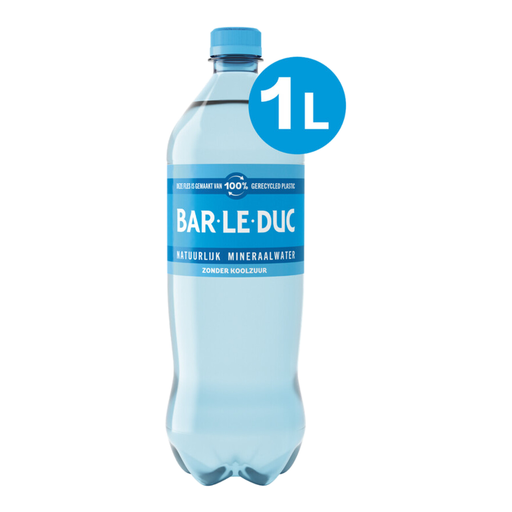
Why this fits the profile: A straightforward 1-litre size for daily use at home, in the office or with lunch.
The product description states natural mineral water and clearly shows the sodium and mineral profile. No flavourings or sweeteners are listed.
1-litre bottle; 10.7 mg sodium per litre; bottle made from 100% recycled plastic according to the product information.
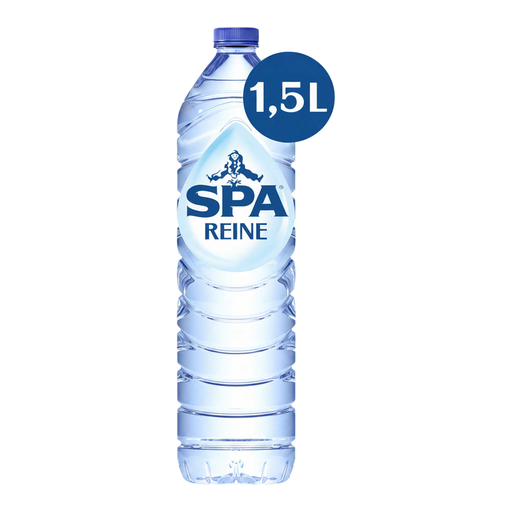
Why this fits the profile: A 1.5-litre bottle for households that value low mineral content and a neutral composition.
The product information states 0 kcal, 3 mg sodium and very low mineralisation. This lets you verify your choice against concrete values.
0 kcal; 1.5 litres per bottle; 3 mg sodium per litre according to the product label.
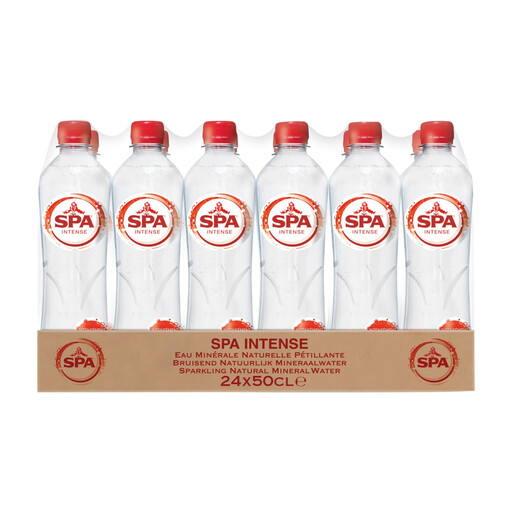
Why this fits the profile: The multipack of 500 ml bottles is ideal for serving chilled, taking on the go, or using between appointments and meals.
The size prevents you from having to carry a large bottle when you’re out and about. The composition states natural mineral water with added carbon dioxide.
24 bottles of 500 ml; sparkling; 5 mg sodium per litre according to the product specification.
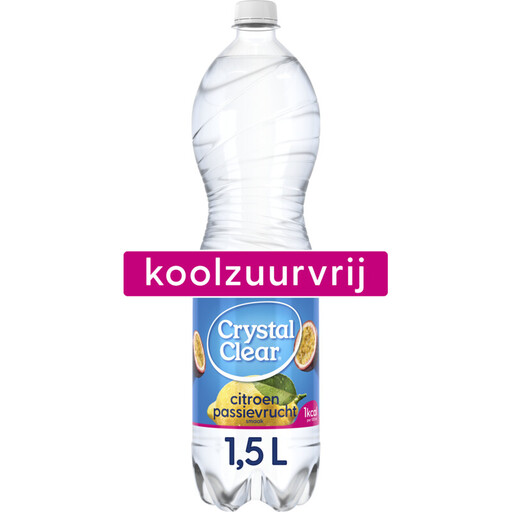
Why this fits the profile: For those who want variety and a fruity, sugar-free drink to serve at home or for guests.
The product description makes it clear that this is a drink made with mineral water, flavourings and sweeteners, not pure mineral water.
1.5 litres; 1 kcal per 100 ml; sugar-free according to the supplied product information.
We’ve put together a full, up-to-date list of products that fully meet these strict selection criteria and comply with current European safety regulations.
Pure mineral water typically contains 0 kcal, but the composition varies by source. With flavoured water, you also need to check the ingredients list and the sweetener content. “No sugar” doesn’t automatically mean the product consists only of water.
Some product descriptions for Spa Reine and Bar-le-Duc mention suitability for preparing baby food. Always check the current packaging and follow the preparation instructions. If you’re unsure about food for a baby, it’s wise to consult a midwife, health visitor or doctor.
Store an opened bottle in a cool place, close the cap tightly and follow the date on the label. With sparkling water, the carbonation may diminish over time. Don’t leave bottles in direct sunlight or high temperatures for long periods.
